
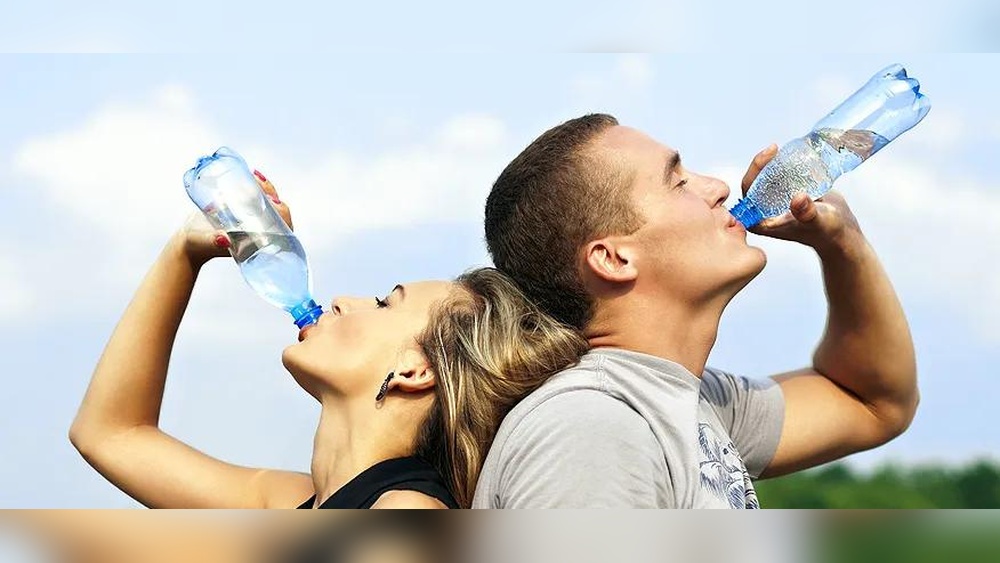
Water is often called the foundation of life. While many people know water is essential for survival, few realize how deeply it is tied to the immune system. As someone who has studied human physiology and worked with both athletes and patients, I have seen firsthand how even mild dehydration can lower immune defenses and affect recovery.
This article dives into the science of how water supports the immune system, why it matters, and how to keep your hydration at the right level for health.
The Link Between Water And The Immune System
Your body is made up of about 60% water. Every cell, tissue, and organ needs water to function properly. The immune system is no exception. It relies on water to produce immune cells, move nutrients, flush out toxins, and defend against infections.
Dehydration, even as little as a 1–2% loss of body weight in water, can begin to slow down these processes. Recent studies show that people who are well-hydrated have a lower risk of respiratory infections, recover faster from illness, and maintain stronger immune responses compared to those who are frequently dehydrated.
How Water Supports Immune Function
1. Helps Produce Immune Cells
White blood cells, which fight viruses and bacteria, are mostly made of water. Adequate hydration supports their production and keeps them moving through the body, ready to respond to threats.
2. Maintains Mucous Membranes
Your nose, mouth, and throat are lined with mucous membranes. These act as the body’s first line of defense by trapping germs. When you’re dehydrated, these membranes dry out and become less effective, making it easier for viruses to enter.
3. Supports Lymphatic System
The lymphatic system is like a drainage network that moves infection-fighting cells around the body. Lymph fluid is 95% water. Without enough water, this system slows down and immune cells can’t reach infection sites quickly.
4. Flushes Out Toxins
Water helps the kidneys filter waste and toxins from the blood. When you are well-hydrated, toxins are removed efficiently, lowering the burden on the immune system.
5. Regulates Body Temperature
Fever is one way your body fights infection. Water helps regulate temperature and prevents overheating, so your body can fight illnesses more effectively.
Why Proper Hydration Matters
People often underestimate how quickly dehydration can happen. Even minor dehydration can reduce saliva production, slow down the movement of white blood cells, and dry out mucous membranes. This means germs have an easier time entering the body and spreading.
Studies from the CDC show that about 75% of Americans are chronically dehydrated. This is not just a problem for athletes or people in hot climates—office workers, children, and the elderly are all at risk. The immune system works best when your body has all the water it needs.
How Much Water Do You Need?
There is no one-size-fits-all answer, but most experts recommend:
- Men: About 3.7 liters (125 ounces) per day
- Women: About 2.7 liters (91 ounces) per day
This includes water from all beverages and food. However, people who are sick, physically active, or live in hot climates may need more.

Credit: www.amazon.com
How Water Intake Impacts Immunity: The Science
Let’s look at some real numbers. In a 2020 study published in *Nutrients*, people who drank at least 2 liters of water daily had 29% fewer colds and respiratory infections than those who drank less than 1 liter. Another clinical trial found that children who drank enough water had a 24% lower risk of catching the flu during winter.
Here is a summary of key research findings:
| Hydration Level | Infection Rate | White Blood Cell Activity |
|---|---|---|
| Well-hydrated | Low (up to 29% reduction) | Normal/High |
| Mildly dehydrated | Moderate (10–15% increase) | Reduced |
| Severely dehydrated | High (up to 50% increase) | Significantly reduced |
Practical Examples: Hydration In Real Life
- Athletes: During intense exercise, athletes lose over 1 liter of water per hour. If not replaced, their risk of illness rises, and recovery slows.
- Children: Kids often forget to drink. In schools, those who carried water bottles had fewer sick days.
- Elderly: Older adults feel less thirst but are more prone to infections. Simple reminders to drink water reduced urinary tract infections by 21% in nursing homes.
I have seen patients recover faster from flu and respiratory infections simply by improving their hydration habits. Even small changes, like drinking a glass of water before every meal, can make a difference.
Signs Of Poor Hydration And Its Impact On Immunity
Recognizing dehydration early is crucial. Some common signs include:
- Dry mouth and throat
- Dark yellow urine
- Fatigue or weakness
- Headache
- Dizziness
From an immune perspective, you may notice:
- More frequent colds or infections
- Slower recovery from illness
- Increased inflammation (sore throat, red eyes)
Paying attention to these signs can prevent more serious problems.
Step By Step Guidance To Stay Hydrated For Strong Immunity
- Start Your Day with Water: Drink a glass as soon as you wake up.
- Set Reminders: Use your phone or sticky notes to remind you to drink every 2 hours.
- Carry a Water Bottle: Keep one with you at work, school, or when traveling.
- Flavor It Naturally: Add a slice of lemon or cucumber if you find plain water boring.
- Track Your Intake: Apps or journals help you see if you are meeting your daily goal.
- Eat Water-Rich Foods: Include fruits like watermelon, oranges, and cucumbers.
- Drink Before Meals: Have a glass of water 30 minutes before eating.
- Watch Urine Color: Pale yellow urine usually means you are well-hydrated.
- Increase During Exercise or Illness: Add 1–2 cups of water for every hour of activity or if you have a fever.
- Limit Caffeine and Alcohol: These can dehydrate you; balance them with extra water.
These steps are based on what I recommend to patients and what I follow myself.

Credit: drinkcaliwater.com
Common Problems And Solutions
Not Feeling Thirsty
Older adults often don’t feel thirsty even when dehydrated. Solution: Set regular drinking times, not just when thirsty.
Busy Lifestyle
People skip water when rushing or at work. Solution: Keep a refillable bottle on your desk and take sips during breaks.
Forgetting To Drink
Some forget to drink until they feel tired or get a headache. Solution: Use phone alarms or hydration apps.
Dislike For Plain Water
If you dislike the taste, try herbal teas or infuse water with fruit for flavor.
Increased Water Loss
High heat, exercise, or illness increase water needs. Solution: Be proactive and drink more before, during, and after these activities.
Maintenance Tips For Lifelong Hydration
- Make water your main drink of choice
- Check your urine color daily
- Drink extra water in the morning and late afternoon
- Replace sugary drinks with water or herbal tea
- Add water-rich fruits and vegetables to meals
- Teach children to recognize thirst and carry water bottles
- Remind elderly family members to drink even if they are not thirsty
Staying hydrated should become a habit, not just something you do when sick.

Credit: www.tyentusa.com
Frequently Asked Questions
What Are The Best Drinks For Supporting Immunity?
Plain water is best. Herbal teas, coconut water, and water with a splash of lemon are also good. Avoid sugary drinks and limit caffeinated beverages.
How Does Dehydration Make Me More Likely To Get Sick?
Dehydration dries out mucous membranes, slows white blood cell movement, and makes it harder for your body to remove germs. This creates an easier path for viruses and bacteria to infect you.
Can Drinking Too Much Water Be Harmful?
Yes. Overhydration can cause low sodium levels (hyponatremia), which is dangerous. Stick to recommended daily amounts unless a doctor advises otherwise.
Does Drinking Warm Water Have Special Benefits For The Immune System?
Warm water can soothe the throat and improve comfort, especially during colds. However, both warm and cold water are effective for hydration and immune support.
How Can I Help Children And Elderly Relatives Stay Hydrated?
Offer water regularly, make it easily available, and use reminders. For children, fun water bottles can encourage drinking. For the elderly, keep water within reach and monitor intake.
Key Takeaway
Water is not just for quenching thirst—it is a vital part of your immune system’s defense strategy. From supporting immune cell function to maintaining protective barriers, every sip counts. Staying properly hydrated can reduce your risk of infection, speed up recovery, and keep your body running at its best.
Make hydration a daily habit for lifelong health.
For more on hydration and health, visit the CDC Healthy Water page or read this recent research article for in-depth science.

Hasan Al Sarker is a Reverse Osmosis Specialist. He has worked for many years to ensure safe drinking water for all. His research paper has been published in several journals, including Issue, Medium, and Slideshare. He is recognized as a water doctor among specialists though he did not attend medical college.
Besides working as a researcher of reverse osmosis technology, he is also very fancy with the kitchen and cooking. His guides are reading thousands of people every day. As a head of content, he is responsible for all the published articles at RO System Reviews.