
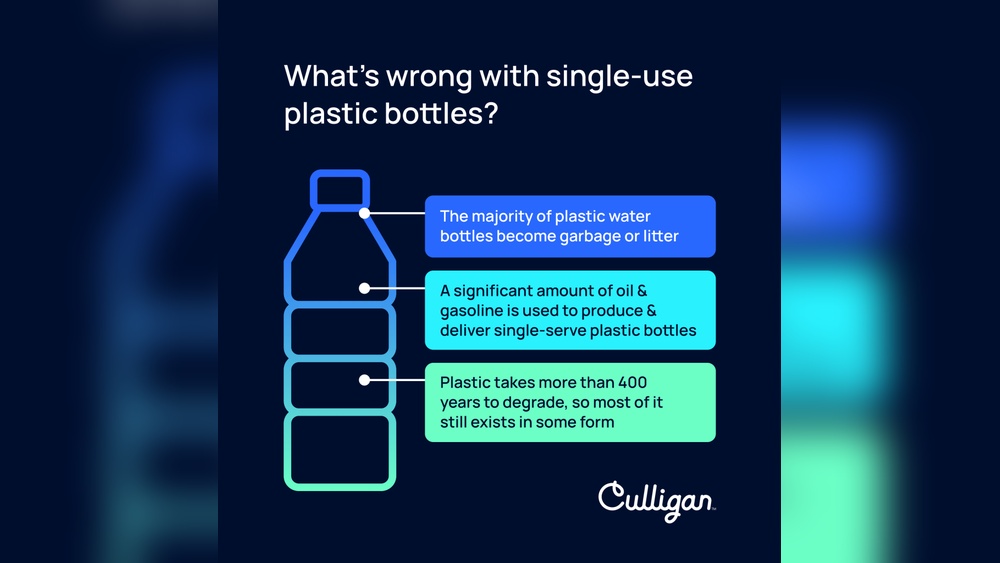
Many people keep bottled water for emergencies, travel, or daily use. But how long is water actually safe in plastic bottles? As an expert who has worked with water quality and packaging, I can tell you there are real facts, numbers, and risks you need to know.
It is not as simple as just looking at a date on the bottle. Let’s explore the science, the practical details, and smart ways to keep your water safe.
Understanding Water Shelf Life In Plastic Bottles
Bottled water often carries a best by date. This date is not about the water itself, because pure water does not spoil. It is actually about the safety and quality of the plastic bottle. Most bottled water brands use PET (polyethylene terephthalate) plastic. Over time, this plastic can slowly break down, letting chemicals leach into the water.
Key facts:
- Unopened bottled water stored in a cool, dark place can stay safe for up to 2 years.
- Opened bottled water should be finished within 3 to 7 days if kept in the refrigerator.
- The FDA does not require an expiration date, but most companies add one for quality reasons.
The real concern is not the water, but the container and how you store it.
How Bottled Water Storage Works
When water is sealed in a PET plastic bottle, it is protected from outside bacteria and dirt. This sealed environment keeps the water drinkable for a long time. However, plastic is not a perfect barrier. Chemicals like antimony and bisphenol A (BPA) can slowly move from the bottle into the water, especially in heat or sunlight.
Several studies have found:
- Antimony levels increase 2 to 3 times in water stored at 60°C (140°F) for 6 months.
- Even at room temperature, small amounts of chemicals can leach out over 1–2 years.
- Plastic bottles stored in direct sunlight or a hot car can reach unsafe chemical levels much faster.
The way you store bottled water is just as important as the date printed on the bottle.
Credit: www.bottlepro.net
Why The Shelf Life Of Bottled Water Matters
Drinking water is essential for health. But old or poorly stored bottled water can taste bad or even become unsafe. Chemicals that leach from plastic are linked to health risks such as hormone disruption and increased cancer risk in high amounts. While the risk from a single bottle is small, long-term exposure matters.
There’s also a safety issue in emergencies. Many people keep bottled water for disasters. If you do not rotate your supply, you could end up with water that tastes strange or carries chemical contaminants.
Practical Examples: Good And Bad Storage
Let’s look at some real scenarios:
- Good example: A sealed bottle stored in a pantry at 18°C (65°F), away from light, will likely keep water safe for 1–2 years.
- Bad example: Bottled water left in a car in summer (often reaching 50°C/122°F inside) can become unsafe in a few weeks to months due to chemical leaching.
- Opened bottle: Once opened, bacteria from your mouth or the air can start to grow. Even if refrigerated, water should be used within a week.
Signs That Bottled Water May Not Be Safe
It is important to check your bottled water before you drink it, especially if it is old or has been stored in a hot place. Watch for these indicators:
- Unusual taste or smell (plastic, chemical, musty)
- Cloudiness or floating particles
- Bottle is warped, cracked, or discolored
- Cap seal is broken or loose
If you notice any of these, it is best to discard the water.
Step-by-step Guidance: Storing Bottled Water Safely
Follow these steps to keep your bottled water fresh and safe:
- Check the date on the bottle when you buy it. Choose bottles with a date at least a year away.
- Store bottles in a cool, dry, and dark place. Avoid direct sunlight and high temperatures.
- Do not store water near chemicals or strong-smelling substances. Plastic can absorb odors.
- Rotate your supply every 6–12 months. Use older bottles first and replace them with fresh ones.
- After opening, refrigerate the bottle and finish the water within 3–7 days.
- Never reuse single-use plastic bottles for drinking water storage. They are not designed for repeated use and can grow bacteria.
Credit: www.bottlepro.net
Common Problems And Solutions
Many people make mistakes with bottled water storage. Here are some of the most common problems and how to fix them:
Problem: Bottles stored in a hot garage or car
- Solution: Move your supply to a cooler place. Even a closet inside your home is safer than a garage.
Problem: Forgetting to rotate bottled water
- Solution: Mark your calendar or set a reminder to check your water supply every 6 months.
Problem: Using bottles past their best by date
- Solution: While the water is likely still safe, check for any signs of spoilage or chemical taste. Replace old bottles regularly.
Problem: Reusing plastic bottles for refilling
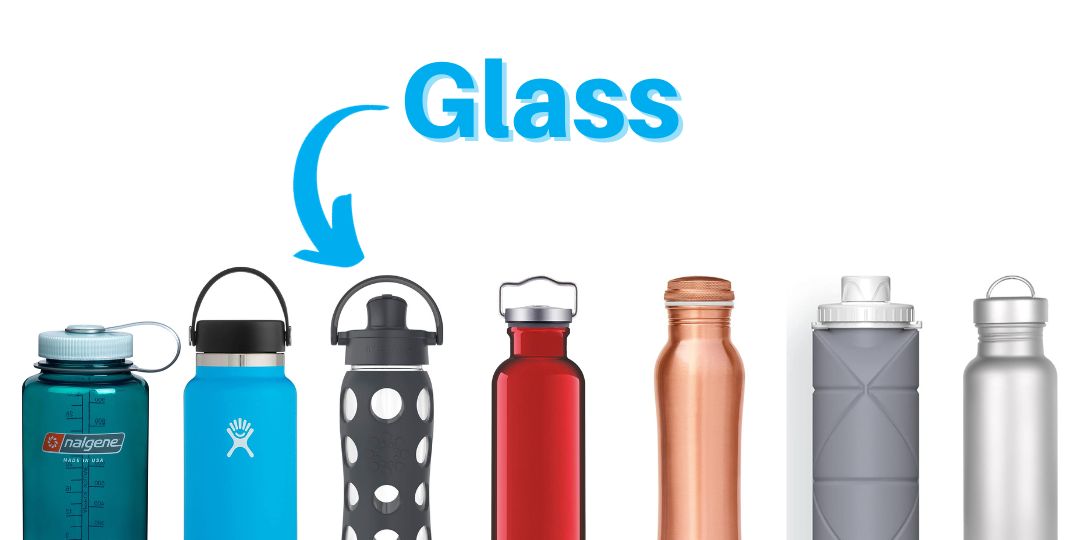
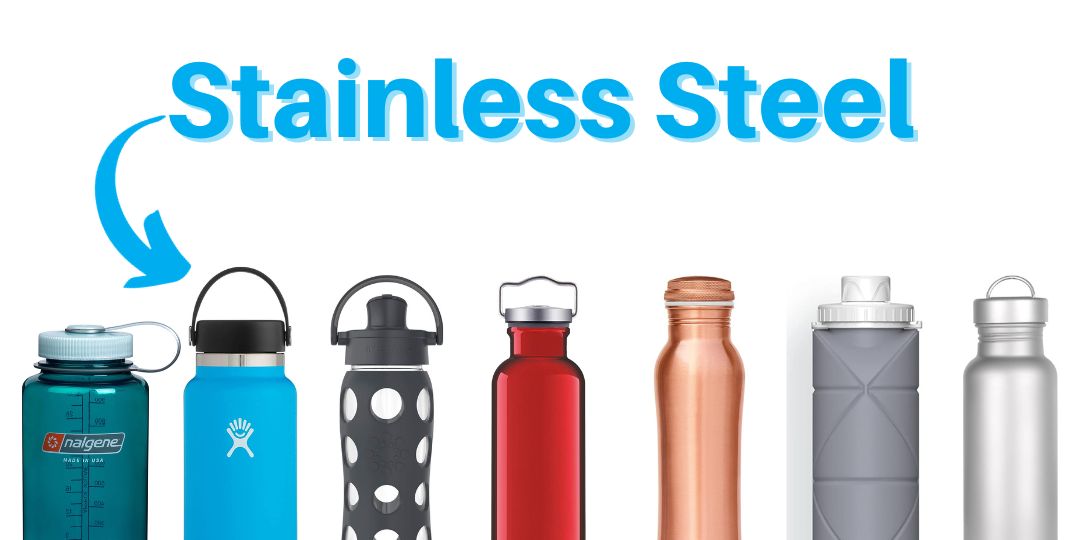
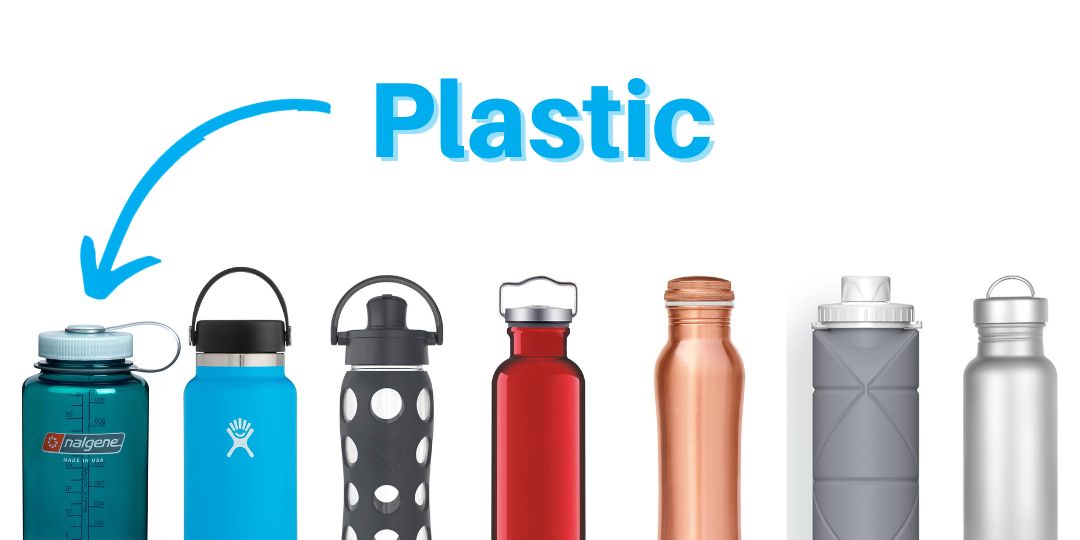
- Solution: Use bottles labeled as reusable (like HDPE or stainless steel). Clean them often.
Maintenance Tips For Safe Bottled Water
- Inspect bottles regularly for leaks, cracks, or changes in color.
- Keep bottles upright to prevent the cap from leaking or being exposed to contaminants.
- Clean storage areas to avoid insects or rodents chewing through plastic.
- Label and organize your stock, so the oldest water is used first.
Credit: www.bottlepro.net
Key Data On Bottled Water Safety
Here is a summary of the most important numbers you need to know about the shelf life and safety of water in plastic bottles:
| Storage Condition | Safe Shelf Life (Unopened) | Chemical Leaching Risk | Notes |
|---|---|---|---|
| Cool, dark storage (18°C/65°F) | 1-2 years | Low | Rotate supply yearly |
| Room temperature (22°C/72°F) | 12-18 months | Moderate | Check taste and odor |
| Hot storage (35°C/95°F+) | 3-6 months | High | Replace more often |
| Opened, refrigerated | 3-7 days | Low | Consume quickly |
| Opened, not refrigerated | 1-2 days | High (bacteria) | Do not store |
Frequently Asked Questions
How Long Can I Store Unopened Bottled Water?
Unopened bottled water can be safely stored for up to 2 years if kept in a cool, dark place. However, for the best taste and safety, rotate your supply every 12 months.
Does Bottled Water Go Bad After The Expiration Date?
The water itself does not spoil, but the plastic bottle may release chemicals over time. If the water smells or tastes odd, or if the bottle looks damaged, do not drink it even if it is just past the date.
Is It Safe To Drink Bottled Water Left In A Hot Car?
It is not recommended. Heat can cause chemicals like antimony to leach from the plastic into the water. If bottled water has been in a car for days or weeks in the sun, it is safer to replace it.
Can I Reuse Single-use Plastic Bottles For Water Storage?
No. Single-use bottles are not made for repeated use and can harbor bacteria. Use only bottles labeled for reuse and clean them with hot, soapy water after each use.
What Happens If I Drink Water From An Old Plastic Bottle?
In most cases, it will not cause immediate harm. But old bottles may have higher chemical levels and a risk of bacteria, especially if the seal is broken. Long-term use of water from old or heated plastic can have health risks.
Key Takeaway
Water in plastic bottles can remain safe for up to two years if stored correctly, but storage conditions matter far more than the printed date. Heat, light, and time all increase the risk of chemical leaching from plastic. Check your bottles regularly, rotate your stock, and always store in a cool, dark place. For more on water safety and regulations, visit the CDC’s water safety FAQ or NSF International. Taking these simple steps can help you and your family enjoy safe, clean water at all times.

Hasan Al Sarker is a Reverse Osmosis Specialist. He has worked for many years to ensure safe drinking water for all. His research paper has been published in several journals, including Issue, Medium, and Slideshare. He is recognized as a water doctor among specialists though he did not attend medical college.
Besides working as a researcher of reverse osmosis technology, he is also very fancy with the kitchen and cooking. His guides are reading thousands of people every day. As a head of content, he is responsible for all the published articles at RO System Reviews.