Water seems simple, but its journey from liquid to vapor is a fascinating process that shapes our world. From drying clothes to the global water cycle, evaporation is at work all around us. Understanding how water evaporates is not just basic science—it is essential for weather, agriculture, and even daily life.
As someone who has worked in environmental science for over a decade, I have seen firsthand how evaporation affects everything from river levels to air humidity. In this article, I will explain what evaporation is, how it works, why it matters, and the signs you can spot.
I will also give practical examples, walk you through a step-by-step guide to observe evaporation, discuss common problems, and offer tips for managing evaporation in daily life. Let’s start with the basics.
What Is Water Evaporation?
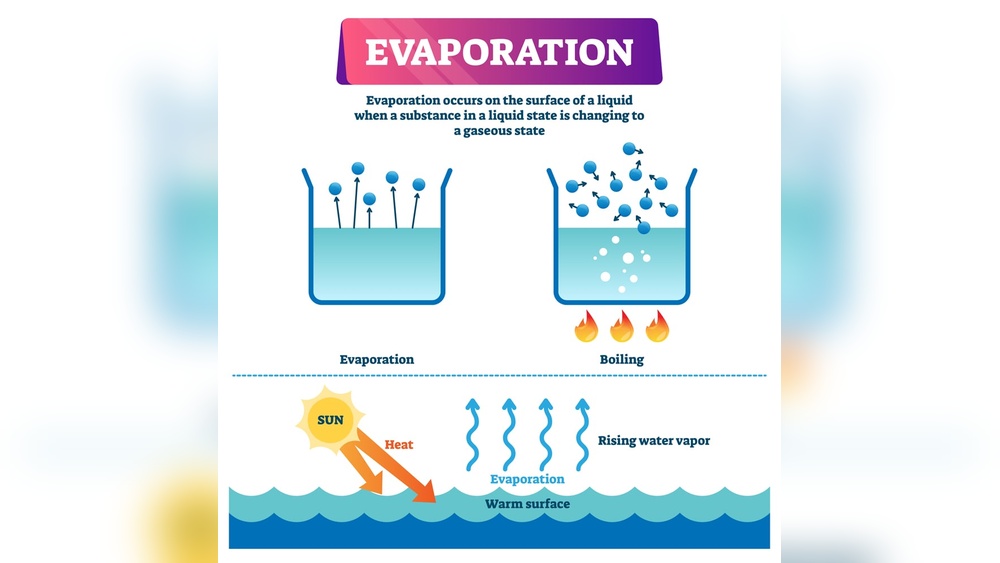
Evaporation is the process where liquid water turns into water vapor—a gas. This happens when water molecules gain enough energy to break away from the surface and mix with the air.
Unlike boiling, which happens at 100°C (212°F) at sea level, evaporation occurs at any temperature. Even ice can lose water through evaporation, though much slower. This process is a key part of the water cycle, moving water from the earth back into the atmosphere.
How Water Evaporation Works
The science behind evaporation comes down to molecular motion. All water molecules are moving, but not at the same speed. Some move fast enough to escape the surface, especially when warmed by the sun or heated air.
Here’s what happens step by step:
1. Molecules At The Surface Gain Energy
When sunlight or warm air hits water, molecules on the surface move faster.
2. Breaking Free
Some surface molecules get enough energy to break the bonds holding them in the liquid.
3. Entering The Air
These molecules leave the liquid and become vapor in the air above.
4. The Process Continues
As long as there is enough energy and space in the air, evaporation will keep going.
Evaporation is influenced by temperature, humidity, wind speed, and surface area. For example, water evaporates faster on a hot, windy day than on a cool, still day.
Why Water Evaporation Matters
Evaporation is not just a scientific curiosity. It affects our world in many ways:
- Weather and Climate
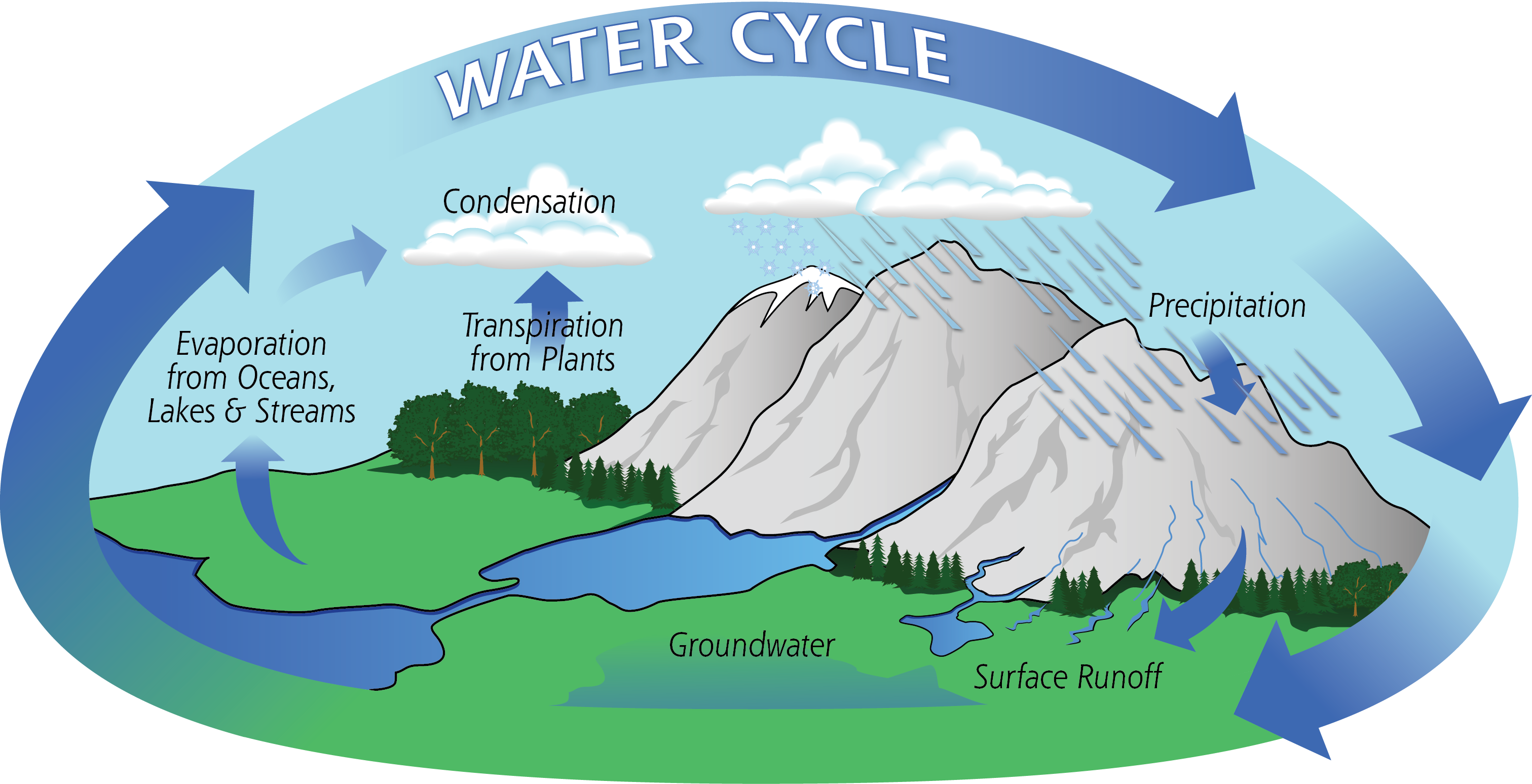
Evaporation drives the water cycle. Oceans, lakes, and rivers lose water to the air, forming clouds and eventually rain.
- Cooling Effect
When water evaporates, it absorbs heat. This is why sweating cools your body.
- Agriculture
Farmers depend on evaporation rates to plan irrigation and protect crops from drought.
- Industry
Many industries use evaporation in cooling systems, drying, and manufacturing.
- Daily Life
Drying clothes, cooling by sweating, and even how puddles disappear all involve evaporation.
Key Factors Affecting Water Evaporation
Several factors determine how quickly water will evaporate. Here is a summary of the most important:
| Factor | How It Affects Evaporation | Example |
|---|---|---|
| Temperature | Higher temperatures speed up evaporation | Puddle dries faster on hot days |
| Humidity | Lower humidity increases evaporation | Wet clothes dry slower in humid air |
| Wind Speed | More wind increases evaporation | Breeze dries sweat faster |
| Surface Area | Larger surface means faster evaporation | Spilled water dries faster when spread out |
| Air Pressure | Lower pressure speeds up evaporation | Boiling at lower temps in high mountains |
Practical Examples Of Water Evaporation
You see evaporation every day, often without thinking about it. Here are a few real-world examples:
- Puddles Disappear
After rain, puddles slowly vanish as the water evaporates into the air.
- Drying Clothes
Wet clothes hung outside dry as water molecules leave the fabric.
- Sweating
Human bodies cool down as sweat evaporates from the skin.
- Cooking
Water boils off when making soup or boiling pasta.
- Houseplants
Water in soil evaporates, so plants need regular watering.
These examples show evaporation is always working behind the scenes.
Signs And Indicators Of Water Evaporation
How do you know evaporation is happening? Here are some clear signs:
- Water levels in open containers go down over time.
- Surfaces feel dry after being wet.
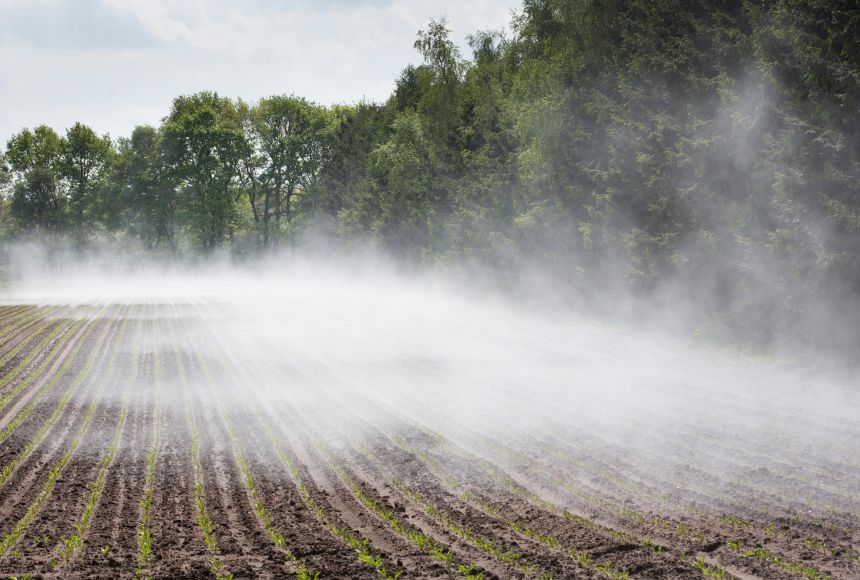
- You see mist or fog above warm water, especially in cold air.
- Wet footprints or handprints disappear from concrete or glass.
- Clothes feel cool as they dry, due to heat loss from evaporation.
A less obvious sign is the cooling effect you feel when alcohol or water evaporates from your skin. This is the same principle used in cooling towers at power plants.
Step By Step: Observing Water Evaporation At Home
If you want to see evaporation in action, try this simple experiment. It is easy, safe, and only takes a few days.
What you need:
- Two shallow dishes or plates
- Water
- A sunny window or a shaded area
Steps:
1. Fill Both Dishes
Pour equal amounts of water (about 100 ml) into each dish.
2. Place In Different Locations
Put one dish in a sunny spot and the other in the shade.
3. Mark The Water Level
Use a marker or tape to mark the starting water level on both dishes.
4. Check Daily
Observe and record the water level each day for 3-5 days.
5. Compare Results
You will notice the water in the sunny dish evaporates faster.
This experiment shows how sunlight speeds up evaporation. For more precise results, you can weigh the dishes before and after.
Common Problems And Solutions
Evaporation is usually helpful, but it can cause problems if not managed properly. Here are some common issues and how to solve them:
1. Water Loss In Pools And Tanks
Solution: Use pool covers or floating balls to reduce surface evaporation.
2. Drying Out Of Soil
Solution: Mulch garden beds and water early in the morning or late in the evening.
3. Unexpected Cooling In Industrial Systems
Solution: Use controlled ventilation and monitor temperature closely.
4. High Humidity Indoors
Solution: Use dehumidifiers or increase ventilation to remove moisture.
5. Evaporation From Open Containers
Solution: Store liquids in closed containers to reduce loss.
A non-obvious problem is salt buildup in soil or tanks when water evaporates but minerals are left behind. Regular cleaning or flushing can prevent this.
Credit: gpm.nasa.gov
Maintenance Tips To Manage Evaporation
Managing evaporation can save water, energy, and prevent damage. Here are a few tips from my experience:
- Cover Water Sources
Always cover pools, tanks, and reservoirs when not in use.
- Use Efficient Irrigation
Drip irrigation delivers water directly to roots, reducing evaporation.
- Shade and Windbreaks
Plant trees or use screens to block wind and sun, slowing evaporation.
- Monitor Humidity Levels
Use hygrometers to keep indoor humidity between 30-50%.
- Repair Leaks Quickly
Even small leaks in pipes or tanks can increase evaporation and water waste.
In greenhouses, I recommend using misting systems during dry seasons to balance humidity and reduce plant stress.
Data Snapshot: How Fast Does Water Evaporate?
Evaporation rates depend on several factors. Here is a table comparing evaporation rates in different conditions. These values are averages and can vary with local climate.
| Condition | Evaporation Rate (mm/day) |
|---|---|
| Sunny, 30°C, Low Humidity | 5-7 |
| Cloudy, 20°C, Moderate Humidity | 2-4 |
| Shaded, 15°C, High Humidity | 0.5-1 |
| Windy, 25°C, Low Humidity | 6-8 |
For example, in a hot, dry, and windy climate, a small pond can lose several centimeters of water each week due to evaporation.
Credit: education.nationalgeographic.org
Why Understanding Evaporation Is Important
Knowing how evaporation works helps in many areas:
- Water Conservation
In drought-prone areas, managing evaporation is crucial for saving water.
- Building Design
Architects use evaporation to design passive cooling systems.
- Agriculture Planning
Farmers track evaporation to schedule watering and prevent crop stress.
- Climate Science
Evaporation data helps predict rainfall and manage water resources.
For more in-depth scientific details, the Encyclopedia Britannica offers a thorough overview of evaporation science.
Frequently Asked Questions
What Is The Difference Between Evaporation And Boiling?
Evaporation happens at any temperature, while boiling only occurs at the boiling point. Boiling is much faster and involves bubbles forming throughout the liquid, while evaporation only happens at the surface.
Can Water Evaporate In Cold Weather?
Yes, water can evaporate even in cold weather. The process is slower because the molecules have less energy, but given enough time, water will still turn to vapor.
Why Do Clothes Dry Faster On Windy Days?
Wind moves the humid air away from the surface of the clothes, allowing more water molecules to escape. This speeds up evaporation compared to still air.
Does Saltwater Evaporate Slower Than Fresh Water?
Salt water evaporates more slowly because the salt molecules attract water and make it harder for water molecules to escape. Also, as water leaves, the salt concentration increases, further slowing the process.
How Does Humidity Affect Evaporation?
High humidity means the air already contains a lot of water vapor. This makes it harder for more water to evaporate. In dry air, evaporation happens much faster.

Credit: onlineclasses18.wordpress.com
Key Takeaways
Evaporation is a powerful process that moves water from the earth to the sky. It is driven by energy from the sun, influenced by temperature, humidity, wind, and surface area. You can see its effects in weather, agriculture, and daily life.
By understanding how water evaporates, you can better manage water use, control indoor climate, and even design more efficient systems.
To dive deeper into global water cycles and data, visit the USGS Water Science School. Understanding evaporation is not just science—it is a practical skill for a changing world.

Hasan Al Sarker is a Reverse Osmosis Specialist. He has worked for many years to ensure safe drinking water for all. His research paper has been published in several journals, including Issue, Medium, and Slideshare. He is recognized as a water doctor among specialists though he did not attend medical college.
Besides working as a researcher of reverse osmosis technology, he is also very fancy with the kitchen and cooking. His guides are reading thousands of people every day. As a head of content, he is responsible for all the published articles at RO System Reviews.