Staying hydrated is often mentioned as a basic health tip, yet many people underestimate the true power of water in the body. As a health professional, I’ve seen how proper hydration transforms energy, sharpens thinking, and even supports recovery from illness.
Water is not just a drink—it is a lifeline. In this article, I will explain how water keeps your body hydrated, why it matters, what signs to watch for, and how to manage your hydration daily.
What Does Hydration Really Mean?
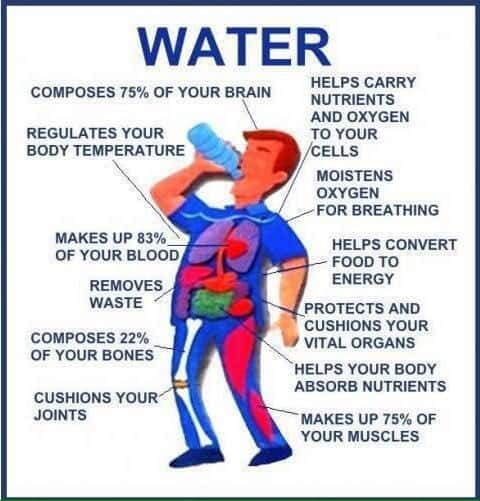
Hydration is the process of supplying your body with enough fluid to function at its best. Around 60% of the human body is made of water. Every cell, tissue, and organ relies on water to work properly. When you are hydrated, your body can move nutrients, remove waste, and keep temperature in check.
Without enough water, even simple activities like walking or thinking become harder. Dehydration, or not having enough fluid, can sneak up quickly, especially in hot weather or during exercise.
How Water Keeps Your Body Hydrated
Water moves through your body in many ways. When you drink, water enters your stomach and is absorbed into the bloodstream through the small intestine. The blood then carries water to every cell.
Cells use water for key jobs:
- Regulating temperature by sweating and breathing
- Transporting nutrients and oxygen to organs and muscles
- Flushing out toxins through urine and sweat
- Protecting joints and organs with fluid cushions
Water balance is controlled by hormones like antidiuretic hormone (ADH) and by signals from your brain. When you are low on water, you feel thirsty. Kidneys adjust how much water is saved or released in urine, helping the body stay in balance.
Why Hydration Matters For Health
Proper hydration supports every system in your body. Here are some examples with real numbers:
- Brain function: Studies show even a 1% drop in body water can reduce focus and memory.
- Physical performance: Dehydration as low as 2% of body weight can lower endurance and strength.
- Digestion: Water helps break down food and move waste out. Constipation risk rises if you do not drink enough.
- Heart health: The heart works harder when you are low on water. Good hydration keeps blood volume normal, reducing heart strain.
Hydration also affects skin, mood, and even weight control. Thirst can sometimes be mistaken for hunger, leading to unneeded snacking.
Key Benefits Of Staying Hydrated
Here are the top benefits you can expect from drinking enough water every day:
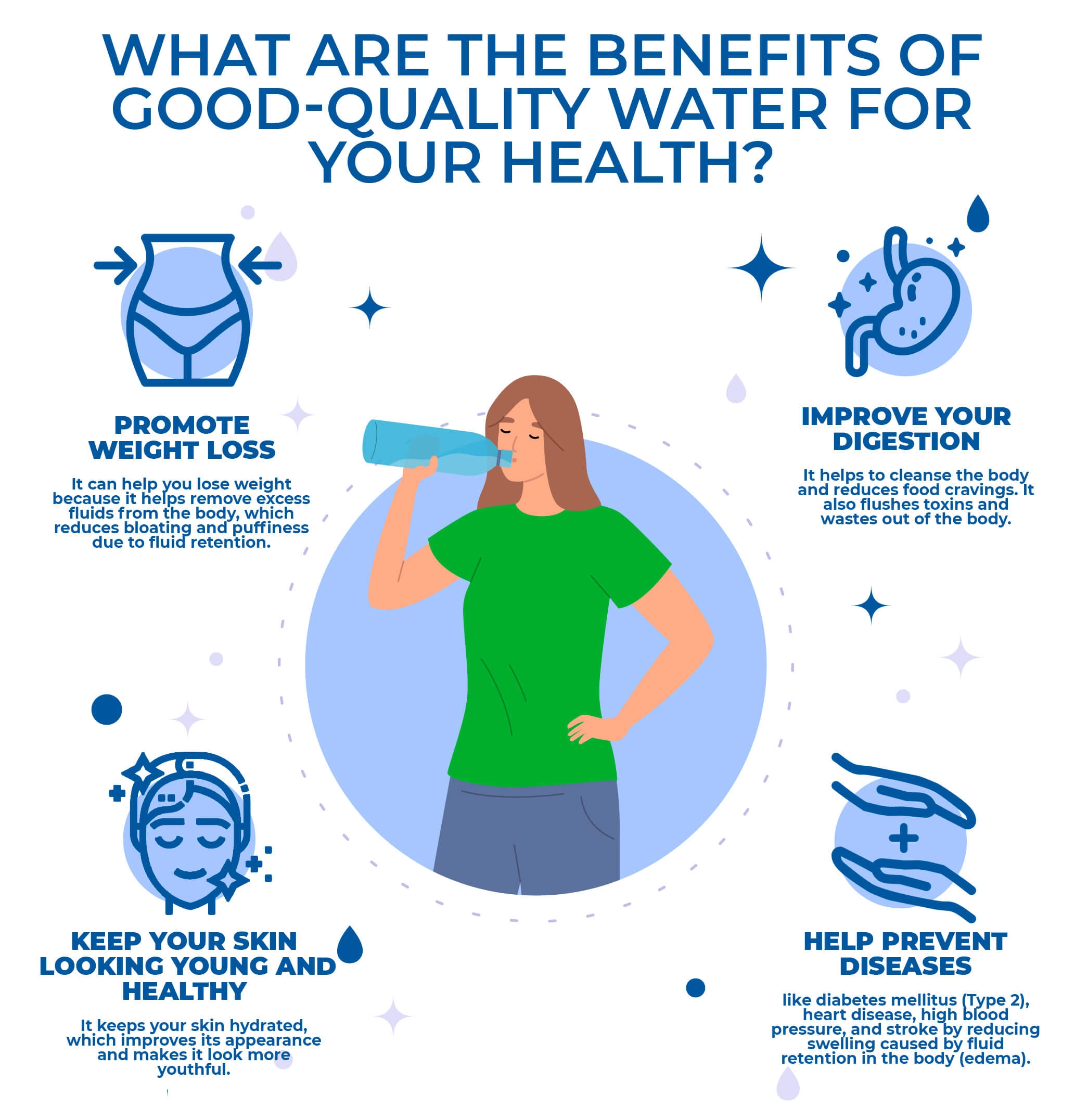
- More energy: Fatigue is one of the first signs of dehydration.
- Better concentration: Hydrated brains are more alert.
- Faster recovery: Muscles repair more easily with enough fluid.
- Healthier skin: Proper hydration keeps skin soft and elastic.
- Improved digestion: Water prevents constipation and supports nutrient absorption.
Credit: filterway.com
Real-world Examples Of Water’s Impact
Let me share a few practical examples:
- Athletes: Runners who drink enough water before and during a race are less likely to cramp and recover faster.
- Office workers: Employees who keep a water bottle at their desk make fewer mistakes and feel less tired in the afternoon.
- Older adults: Seniors who remember to sip water during the day have fewer urinary tract infections and less confusion.
These examples come from real observations and studies in clinics and workplaces.
How Much Water Do You Really Need?
Hydration needs can vary. The classic advice is “8 glasses a day,” but the right amount depends on your age, size, activity, and climate.
Experts such as the U.S. National Academies recommend:
- Men: About 3.7 liters (125 ounces) daily from all fluids and food
- Women: About 2.7 liters (91 ounces) daily
About 20% comes from food, with the rest from drinks. You may need more in hot weather, during exercise, or if you are ill.
Here’s a summary table of daily water needs:
| Group | Water Needed per Day | Key Factors |
|---|---|---|
| Men | 3.7 liters (125 oz) | Body size, activity level |
| Women | 2.7 liters (91 oz) | Pregnancy, breastfeeding increase needs |
| Children (4-13) | 1.2 – 2.4 liters (40-81 oz) | Age, activity, temperature |
| Older Adults | Similar to adults, but may need reminders | Medications, health conditions |

Credit: www.pihhealth.org
Signs Your Body Needs More Water
Your body will warn you when you are not getting enough water. Here are key signs to watch for:
- Dry mouth and lips
- Dark yellow urine
- Headache
- Feeling tired or dizzy
- Muscle cramps
- Less urination than usual
- Confusion or trouble focusing
If you feel thirsty, you are already mildly dehydrated. Urine that is pale yellow usually means you are well hydrated.
Step-by-step Guide To Staying Hydrated
1. Start Your Day With A Glass Of Water
Drink water right after waking up to replace fluid lost overnight.
2. Carry A Water Bottle
Keep it with you at all times. Take small sips regularly, not just when you are thirsty.
3. Set Reminders
Use your phone or calendar to remind you every hour to drink water, especially if you forget easily.
4. Drink Before, During, And After Exercise
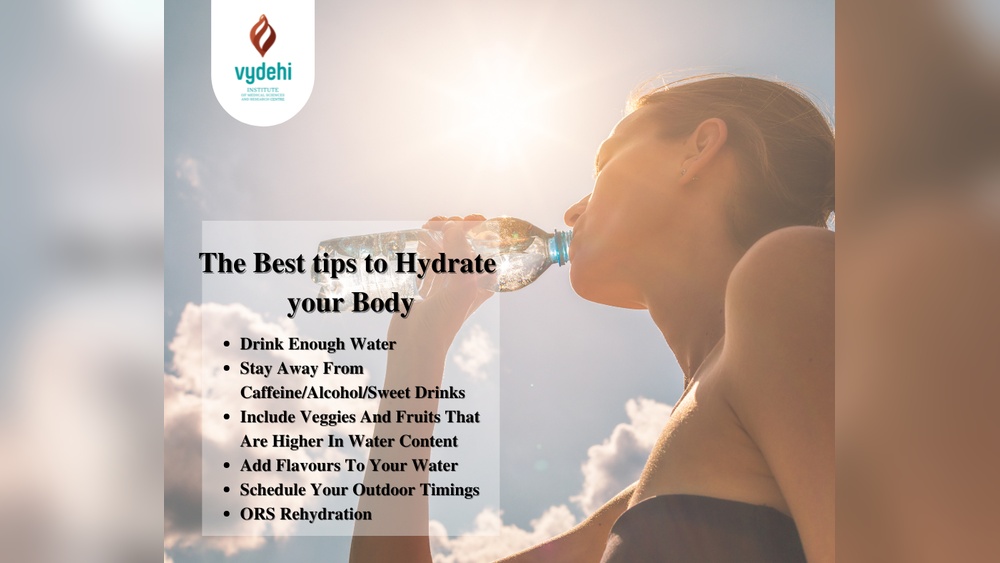
Have at least 500 ml (17 oz) before activity, sip every 15-20 minutes during, and refill after.
5. Eat Water-rich Foods
Fruits and vegetables like watermelon, cucumber, and oranges help keep you hydrated.
6. Adjust For Heat And Illness
Drink extra when it is hot outside, or if you have fever, diarrhea, or vomiting.
7. Check Your Urine Color
Aim for light yellow as a simple daily test.
8. Limit Dehydrating Drinks
Coffee, tea, and alcohol can increase fluid loss, so balance them with extra water.
9. Drink A Glass Before Meals
This also helps with digestion and may prevent overeating.
10. Hydrate Before Bed
A small glass helps, but do not overdo it to avoid night trips to the bathroom.
Credit: hohmanrehab.com
Common Hydration Problems And Solutions
Problem 1: Forgetting To Drink
Solution: Set regular reminders and keep water visible. Use apps or alarms if needed.
Problem 2: Disliking Plain Water
Solution: Add slices of lemon, cucumber, or berries. Herbal teas and flavored water are good options, as long as they are low in sugar.
Problem 3: Drinking Too Much At Once
Solution: Sip slowly throughout the day. Drinking large amounts in a short time can upset your stomach and, in rare cases, lead to water intoxication.
Problem 4: Increased Fluid Loss
Solution: Increase your intake if you are sweating heavily, in a hot climate, or losing fluids due to illness.
Problem 5: Not Noticing Early Dehydration
Solution: Learn your body’s signs and check your urine color. Encourage children and older adults to drink, even if they are not thirsty.
Practical Tips To Maintain Good Hydration
- Flavor your water with fresh fruit to make it more appealing.
- Refill your bottle every time you finish it.
- Choose water over sugary or caffeinated drinks.
- Monitor fluid needs during travel, especially by air or in high altitude.
- Educate family to make hydration a daily habit.
- Track your intake in a notebook or app if you have special health needs.
How Water Intake Compares To Other Drinks
Many people wonder if juice, soda, or sports drinks can replace water. Here is a comparison:
| Beverage | Hydration Value | Calories per 250ml | Notes |
|---|---|---|---|
| Water | Excellent | 0 | No sugar, no calories |
| Sports Drink | Good (for athletes) | 50-80 | Contains electrolytes and sugar |
| Fruit Juice | Moderate | 80-120 | High in sugar, some nutrients |
| Soda | Poor | 100-150 | High sugar, little nutritional value |
| Coffee/Tea | Good | 2-5 | Mild diuretic effect |
Water is always the best first choice. Other drinks can add variety, but watch out for extra sugar and calories.
Non-obvious Insights Beginners Miss
- Mild dehydration can lower mood and memory even before you feel thirsty. Small drops in body water can affect how you think and feel.
- Not all drinks hydrate equally. Drinks with caffeine or alcohol can actually increase fluid loss, making hydration more challenging.
These points are often missed by beginners and can make a big difference in daily life.
Maintenance And Long-term Hydration Habits
Building hydration into your routine is more effective than trying to “catch up” at the end of the day. Here are some habits I recommend:
- Start each meal with a glass of water.
- Keep water by your bedside.
- Check your urine color in the morning as a daily check.
- Replace one sugary drink per day with water.
- Share hydration habits with friends or coworkers for motivation.
By making small changes, you can improve hydration naturally over time.
Frequently Asked Questions
What Is The Fastest Way To Rehydrate?
Drinking small amounts of water or oral rehydration solutions frequently is the fastest way. Avoid gulping large volumes at once, which can cause discomfort.
Can You Drink Too Much Water?
Yes, it is possible. Drinking extreme amounts in a short time can lead to a rare condition called water intoxication or hyponatremia. Always spread your intake throughout the day.
Does Coffee Or Tea Count Toward Daily Hydration?
Yes, both provide fluid, but they also have a mild diuretic effect. If you drink a lot of caffeinated drinks, consider adding more plain water as well.
How Do I Know If My Child Is Hydrated?
Check for regular urination, moist lips, and good energy. Children may not ask for water, so offer fluids often, especially in hot weather or during illness.
What Are Signs Of Severe Dehydration?
Signs include very dark urine, rapid heartbeat, sunken eyes, confusion, and no urination for several hours. This is a medical emergency and needs quick treatment.
Key Takeaways
Water is essential for nearly every process in the body, from energy and brain power to digestive health. Staying hydrated is simple, but the effects are powerful. Pay attention to your body’s signals, make hydration a habit, and choose water as your main drink. For more detailed guidelines, you can read advice from the Centers for Disease Control and Prevention and World Health Organization.
By understanding how water works in your body and following practical daily steps, you can support your health and feel your best every day.

Hasan Al Sarker is a Reverse Osmosis Specialist. He has worked for many years to ensure safe drinking water for all. His research paper has been published in several journals, including Issue, Medium, and Slideshare. He is recognized as a water doctor among specialists though he did not attend medical college.
Besides working as a researcher of reverse osmosis technology, he is also very fancy with the kitchen and cooking. His guides are reading thousands of people every day. As a head of content, he is responsible for all the published articles at RO System Reviews.