
Water is often called the body’s natural cleanser, but many people do not realize how vital it is for removing toxins. Every day, our bodies are exposed to harmful substances from food, air, and even stress. Staying hydrated is a simple and effective way to support the body’s natural detoxification process.
As a health professional, I have seen firsthand how proper hydration can improve energy, skin health, and even mental clarity.
Understanding the role of water in flushing toxins is not just about drinking more. It is about knowing how water works in the body, what signs to look for, and how to maintain a healthy balance. In this article, you will learn clear, research-backed information to help you use water effectively for better health.
What Does It Mean To Flush Toxins?
The term flushing toxins refers to the process of removing waste and harmful substances from the body. Toxins can come from outside sources like pollution and processed foods, or from inside the body as by-products of metabolism.
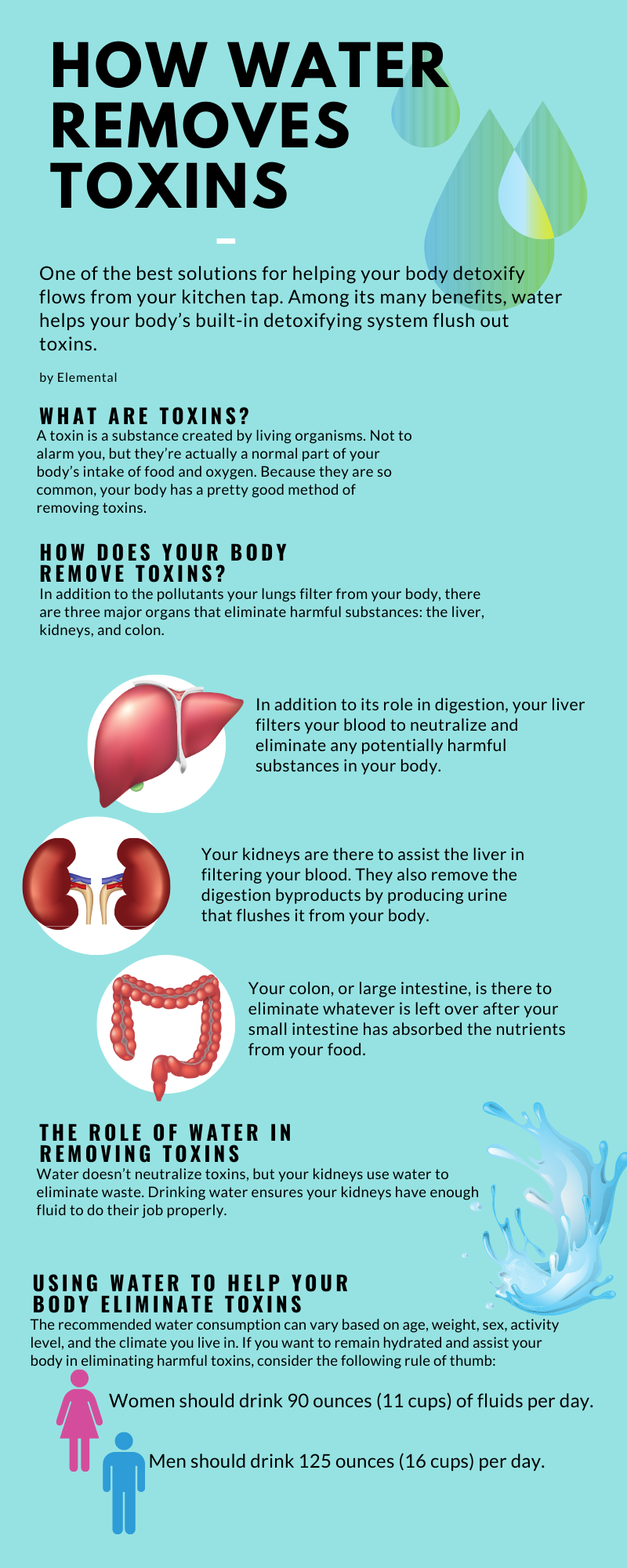
The main organs involved in detoxification are the kidneys, liver, skin, and lungs. Water plays a central role, especially for the kidneys, as it helps dilute and carry away waste products through urine. Without enough water, these organs cannot work efficiently, leading to a buildup of toxins that may cause fatigue, headaches, and other health problems.
How Water Supports The Body’s Detox System
Water helps the body get rid of toxins in several direct ways. Here is how this process works:
1. Kidney Filtration
The kidneys act as filters, removing waste from the blood. Every day, they filter about 120 to 150 quarts of blood, creating 1 to 2 quarts of urine. Water is essential for this process. When you are well-hydrated, urine flows more easily, carrying away urea, creatinine, and other waste.
2. Liver Function
The liver breaks down toxins and prepares them for removal. Adequate water intake ensures the liver has the fluid it needs to transport these substances to the kidneys.
3. Sweating
Sweat is another way the body releases waste. When you sweat, water carries out small amounts of toxins through the skin. This is why exercise and activities that cause sweating can support detoxification.
4. Bowel Movements
Water keeps the digestive system moving. It softens stool and helps prevent constipation, which can trap toxins in the gut. Regular bowel movements are essential for removing waste efficiently.
5. Breath
While it is less obvious, some toxins are released when you exhale. Staying hydrated helps keep the mucous membranes moist, supporting this process.
Why Flushing Toxins Matters
Allowing toxins to build up can affect your health in many ways. Over time, this may lead to chronic fatigue, poor skin, digestive issues, or even more serious problems like kidney stones. Drinking enough water reduces the workload on your organs and keeps your system running smoothly.
A study published in the European Journal of Clinical Nutrition found that people who increased their water intake from 1.2 to 2.5 liters per day reported better energy and fewer headaches. This shows how even small changes in hydration can make a real difference.
Key Benefits Of Water For Detoxification
Water does more than just quench your thirst. Here are some of the main benefits:
- Prevents dehydration: Dehydration makes it harder for kidneys and liver to process waste.
- Reduces risk of kidney stones: Proper hydration dilutes minerals, preventing them from forming stones.
- Improves skin health: Removing toxins helps clear up skin and reduce acne.
- Supports weight management: Water can reduce cravings and help control appetite.
- Boosts energy: Efficient toxin removal means the body spends less energy dealing with waste.
Practical Examples Of Water’s Role
Let’s look at how water helps in real-life situations.
- During illness: When you have a fever or infection, the body produces extra waste. Drinking more water helps flush it out and speeds up recovery.
- After exercise: Sweating releases toxins, but you need to replace lost fluids to keep the process going.
- High-salt meals: Eating salty foods can cause the body to hold onto water and toxins. Drinking water helps restore balance.
- Busy workdays: People who sit for long periods may experience sluggish digestion. Staying hydrated supports regular elimination of waste.
Signs That Your Body Needs More Water
It is not always easy to know when you need more water. Some warning signs include:
- Dark yellow urine or strong odor
- Headaches or dizziness
- Dry skin or lips
- Constipation
- Feeling tired for no clear reason
These are signals that the body’s detox system may not be working well. By noticing these early, you can take action before bigger problems develop.

Credit: www.ctcd.edu
Step By Step: How To Use Water For Flushing Toxins
Drinking water is simple, but doing it effectively takes some planning. Here is a step-by-step approach I recommend based on years of experience:
- Set a daily target: Aim for 2 to 3 liters (about 8 to 12 cups) of water a day for most adults. This includes all fluids, but plain water is best.
- Start early: Drink a glass of water after waking up to jumpstart the body’s detox process.
- Spread it out: Sip water throughout the day, not all at once. This keeps your kidneys working efficiently.
- Listen to your body: Thirst is a sign, but do not wait until you are very thirsty. Check urine color for a pale straw shade.
- Adjust for activity: If you exercise, add an extra 1–2 cups for every hour of activity.
- Eat water-rich foods: Fruits and vegetables like cucumber, watermelon, and oranges also help hydration.
- Limit caffeine and alcohol: These can cause you to lose more water, so drink extra water if you consume them.
Common Problems And How To Fix Them
Even with good intentions, some people struggle to stay hydrated or flush toxins well. Here are a few common issues and solutions:
1. Forgetting To Drink Water
Solution: Set reminders on your phone or keep a water bottle nearby.
2. Disliking The Taste Of Plain Water
Solution: Add slices of lemon, cucumber, or a few mint leaves for natural flavor.
3. Drinking Too Much At Once
Solution: Drink smaller amounts regularly instead of large amounts all at one time. This is easier on your kidneys.
4. Not Knowing How Much You Need
Solution: Use a simple calculation: your weight (kg) x 0.03 = liters per day. For example, a 70 kg person needs about 2.1 liters.
5. Increased Need In Hot Weather
Solution: Drink more during hot days or when sweating, even if you are not thirsty.
Maintenance Tips For Healthy Hydration
Staying hydrated is an ongoing process. Here are my top maintenance tips:
- Carry a reusable water bottle and refill it often.
- Drink a glass of water before each meal.
- Include herbal teas or flavored water if you get bored with plain water.
- Notice your body’s signals and adjust your intake as needed.
- Monitor your urine color as a quick hydration check.
Comparing Key Detox Methods
Many people wonder how water compares to other detox methods. Here is a clear summary to help you understand the main differences.
| Detox Method | How It Works | Effectiveness | Risks |
|---|---|---|---|
| Water Intake | Flushes waste through urine, sweat, and stool | Very effective for daily detox | None if not overdone |
| Juice Cleanses | High fluid and nutrient intake for short periods | Some benefit, but lacks protein and fiber | May cause blood sugar spikes |
| Supplements | Pills or powders that claim to remove toxins | Evidence is limited | Possible side effects |
Water stands out because it is safe, effective, and proven by science.

Credit: www.waterh.com
Data And Research Supporting Water’s Role
Scientific studies support the connection between hydration and toxin removal. The National Academies of Sciences, Engineering, and Medicine recommends about 3.7 liters (for men) and 2.7 liters (for women) of total water from all beverages and foods per day.
A 2013 study in the journal Nutrition Reviews showed that even mild dehydration can affect physical and mental performance. Another study found that increasing water intake improved kidney function and reduced the risk of urinary tract infections.
For further reading, you can check the guidelines from the Centers for Disease Control and Prevention and the World Health Organization.
Frequently Asked Questions
How Much Water Should I Drink To Flush Toxins?
Most adults need about 2 to 3 liters (8 to 12 cups) of water daily, depending on body size and activity level. Listen to your body and adjust if you sweat more or live in a hot climate.
Does Coffee Or Tea Count Towards My Water Intake?
Yes, drinks like coffee and tea count, but plain water is best. Caffeine can have a mild diuretic effect, so balance these with extra water if you consume them often.
Can You Drink Too Much Water?
It is possible but rare. Drinking excessive amounts (over 5–6 liters in a short time) can dilute sodium levels, leading to a condition called hyponatremia. Stick to recommended amounts and let thirst guide you.
Is Bottled Water Better Than Tap Water?
For most people, tap water is safe and just as effective. If you have concerns about water quality, use a filter or check local water reports. Bottled water is not necessary for detoxification.
Can Children And Older Adults Use The Same Guidelines?
Children and older adults have different needs. Kids generally need less, while older adults may need reminders to drink regularly. Always adjust for age, health, and medical advice.
Credit: elementalbottles.com
Key Takeaway
Water is the simplest, most reliable way to support your body’s natural detox process. By understanding how it works and making hydration a daily habit, you help your kidneys, liver, and other organs perform at their best. Small changes in water intake can lead to big improvements in energy, skin, and overall health.
Remember, consistency is key—drink water daily, notice your body’s signals, and enjoy the benefits of a cleaner, healthier system.

Hasan Al Sarker is a Reverse Osmosis Specialist. He has worked for many years to ensure safe drinking water for all. His research paper has been published in several journals, including Issue, Medium, and Slideshare. He is recognized as a water doctor among specialists though he did not attend medical college.
Besides working as a researcher of reverse osmosis technology, he is also very fancy with the kitchen and cooking. His guides are reading thousands of people every day. As a head of content, he is responsible for all the published articles at RO System Reviews.