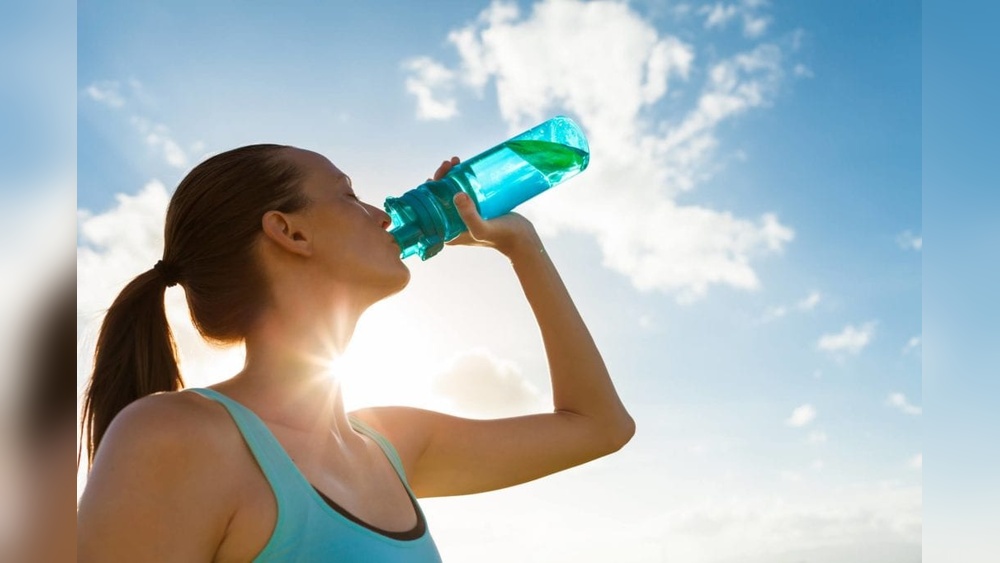
Water is more than just a thirst-quencher. For anyone seeking better focus, higher productivity, and overall well-being, understanding how water improves energy levels is essential. Many people overlook this simple habit, but the science is clear: adequate hydration is a vital part of staying energized throughout the day.
As someone who has worked closely with athletes, office workers, and students, I have seen the difference that proper hydration makes. People who prioritize water intake often report fewer afternoon crashes, better concentration, and a lighter mood. This article will explain why water matters for energy, how it works, and practical steps to use hydration for peak performance.
Why Water Is Essential For Energy
Every cell in the body depends on water. Around 60 percent of the adult human body is water, and the brain alone is nearly 75 percent water. Water supports digestion, circulation, temperature regulation, and the removal of waste. When you are even slightly dehydrated, these processes slow down, and you begin to feel tired.
The connection between water and energy is not just about avoiding thirst. Water acts as the medium for chemical reactions in the body. It helps deliver nutrients, supports oxygen flow to muscles, and is critical for maintaining steady blood pressure.
If your body is short on water, your heart and other organs must work harder, leading to fatigue.
How Water Boosts Energy
Cellular Metabolism
Energy is made inside your cells in tiny structures called mitochondria. Water helps transport nutrients needed for this energy production. Without enough water, the efficiency of these processes drops, and your body cannot produce energy as easily.
Blood Circulation
Good hydration keeps your blood volume at a healthy level. This supports the delivery of oxygen and nutrients to tissues. When you are dehydrated, blood becomes thicker, and circulation slows, making you feel sluggish.
Temperature Regulation
When you exercise or work hard, your body sweats to cool itself. This uses water. If you are dehydrated, your body heats up faster, leading to exhaustion and sometimes heat-related illness.
Removal Of Toxins
Water helps flush out waste products through urine and sweat. If these toxins build up, your body feels heavy and slow.
Here is a summary of the ways water supports energy:
| Function | Role of Water | Effect on Energy |
|---|---|---|
| Cellular Metabolism | Transports nutrients and aids reactions | Faster energy creation |
| Blood Circulation | Maintains blood volume and flow | Steady supply of oxygen |
| Temperature Regulation | Enables sweating and cooling | Prevents overheating and fatigue |
| Toxin Removal | Flushes waste through urine/sweat | Reduces tiredness |
Credit: www.truemed.com
The Science And Data Behind Hydration And Energy
Research supports the strong link between water intake and energy. In a study published by the British Journal of Nutrition, mild dehydration (just 1–2% body weight loss) led to noticeable drops in alertness and increased fatigue among healthy adults. Another study from the University of Connecticut found that even mild dehydration caused headaches, tiredness, and reduced concentration in both men and women.
On average, adults need about 2. 7 liters of water per day for women and 3. 7 liters for men, according to the U. S. National Academies of Sciences, Engineering, and Medicine. This includes fluids from all beverages and foods.
However, individual needs vary based on activity, climate, and health.
How To Tell If Water Is Affecting Your Energy
Many people do not realize they are dehydrated until energy levels drop. Here are some common signs that your lack of water may be making you tired:
- Frequent tiredness even after a full night’s sleep
- Dry mouth or sticky feeling in the mouth
- Headaches that come and go during the day
- Lightheadedness or dizziness, especially when standing up
- Dark yellow urine (pale is ideal)
- Difficulty focusing or mental fog
A simple check is to notice if you feel low in energy during the day and whether drinking a glass of water helps you feel better within 15–30 minutes.

Credit: www.amazon.com
Real-world Examples Of Water’s Impact
Office Workers
I have worked with many office teams who often reach for another cup of coffee when they feel tired in the afternoon. However, just drinking a glass or two of water instead has helped many report less fatigue and better focus.
In fact, a controlled trial at the University of East London found that students who drank water before exams improved their reaction times by up to 14 percent.
Athletes
Athletes are trained to monitor hydration closely. Even a 2 percent loss of body water can lead to a 10 percent drop in physical performance. Runners, for example, often use weigh-ins before and after training to check water loss. When they replace lost fluids quickly, their energy returns.
Older Adults
With age, the body’s thirst signals get weaker. Many older adults feel tired or confused simply because they are not drinking enough water. In care homes where water reminders are used, residents show improved alertness and mood.
Simple Step-by-step Guidance For Better Hydration
- Start your day with water. Drink a glass as soon as you wake up. This helps “switch on” your body after sleep.
- Carry a water bottle. Make it a habit to have water with you, whether at work, school, or when outside.
- Set reminders. Use your phone or sticky notes to remind yourself to drink water every 1–2 hours.
- Drink before meals. A glass of water before eating can help digestion and keep you hydrated.
- Check your urine. Pale yellow means you are hydrated. Dark yellow is a sign to drink more.
- Adjust for exercise. Drink extra before, during, and after physical activity.
- Eat high-water foods. Fruits like watermelon, oranges, and cucumber add to your intake.
- Limit caffeine and alcohol. These can lead to dehydration if consumed in large amounts.
Making hydration part of your routine is easier if you connect it to existing habits, such as drinking water before your morning coffee or after every bathroom break.
Common Problems And Solutions
Forgetting To Drink
Many people simply forget to drink water, especially when busy. To solve this, link water intake with regular activities, such as after each meeting or before every meal.
Not Liking The Taste
If you dislike plain water, try adding a slice of lemon, mint, or cucumber. This makes water more appealing without adding sugar.
Nighttime Thirst
Waking up thirsty at night can disrupt sleep. Try drinking a small glass of water an hour before bed, but not too much to avoid waking up to use the bathroom.
Overhydration
While rare, drinking excessive water can lead to a condition called hyponatremia, where sodium levels drop too low. The key is to drink when thirsty and check your urine color. For most people, this is not a concern unless they force themselves to drink large amounts quickly.
Maintenance Tips For Consistent Energy
- Track your intake. Use an app or a simple log to see how much you drink each day.
- Use a marked bottle. Some bottles have time markers to help you pace your drinking.
- Make it social. Encourage family or coworkers to join hydration challenges.
- Watch for special situations. You need more water in hot weather, during illness, or when exercising.
- Review medications. Some medicines increase urine output or reduce thirst. Talk to your doctor if you feel unusually tired.
Here is a quick reference guide for daily water needs and common signs of dehydration:
| Group | Average Daily Need | Common Dehydration Signs |
|---|---|---|
| Women | 2.7 liters | Fatigue, dry mouth, headache |
| Men | 3.7 liters | Dizziness, dark urine, poor focus |
| Active Adults | +0.5–1 liter during exercise | Muscle cramps, overheating |
| Older Adults | Same as above; monitor closely | Confusion, tiredness, infrequent urination |

Credit: siliconvalleyrecovery.com
Why It Matters: The Hidden Cost Of Dehydration
Many people do not realize that low energy can often be traced to dehydration rather than lack of sleep or poor diet. Persistent tiredness can impact work, learning, and quality of life. Studies have linked poor hydration to lower productivity, more sick days, and even increased risk of chronic diseases.
In one workplace study, employees who improved their water intake reported a 25 percent reduction in fatigue and a 20 percent increase in task performance. This is a simple and free way to boost both health and energy.
For more on hydration and health, the Centers for Disease Control and Prevention has additional data.
Frequently Asked Questions
How Much Water Should I Drink Each Day?
Most adults need about 2. 7 liters (women) to 3. 7 liters (men) of water per day from all sources. This includes both drinks and food. If you exercise or live in a hot climate, you may need more.
Can Other Drinks Count Toward My Water Intake?
Yes, most drinks contribute to your daily hydration. Water is best, but tea, milk, and even coffee count. Avoid sugary drinks as they can cause energy crashes later.
Is It Possible To Drink Too Much Water?
While rare, drinking too much water can cause low sodium levels, leading to health problems. Listen to your body’s thirst signals and check that your urine is pale yellow.
Does Drinking Water Help With Weight Loss?
Drinking water before meals can help you feel fuller and may support weight loss. Replacing high-calorie drinks with water also reduces calorie intake.
What If I Do Not Feel Thirsty But Still Feel Tired?
Thirst is not always a reliable sign, especially for older adults. If you are tired, try drinking a glass of water and see if your energy improves within 20–30 minutes.
Key Takeaway
Water is a simple but powerful tool for improving energy levels. Good hydration keeps your cells working, your brain sharp, and your body feeling light. By making small changes to your daily routine and paying attention to your body’s signals, you can enjoy steady energy and better health. For more in-depth research, review the National Institutes of Health resources on hydration.
Remember, sometimes the best solution for tiredness is just a glass of water away.

Hasan Al Sarker is a Reverse Osmosis Specialist. He has worked for many years to ensure safe drinking water for all. His research paper has been published in several journals, including Issue, Medium, and Slideshare. He is recognized as a water doctor among specialists though he did not attend medical college.
Besides working as a researcher of reverse osmosis technology, he is also very fancy with the kitchen and cooking. His guides are reading thousands of people every day. As a head of content, he is responsible for all the published articles at RO System Reviews.