
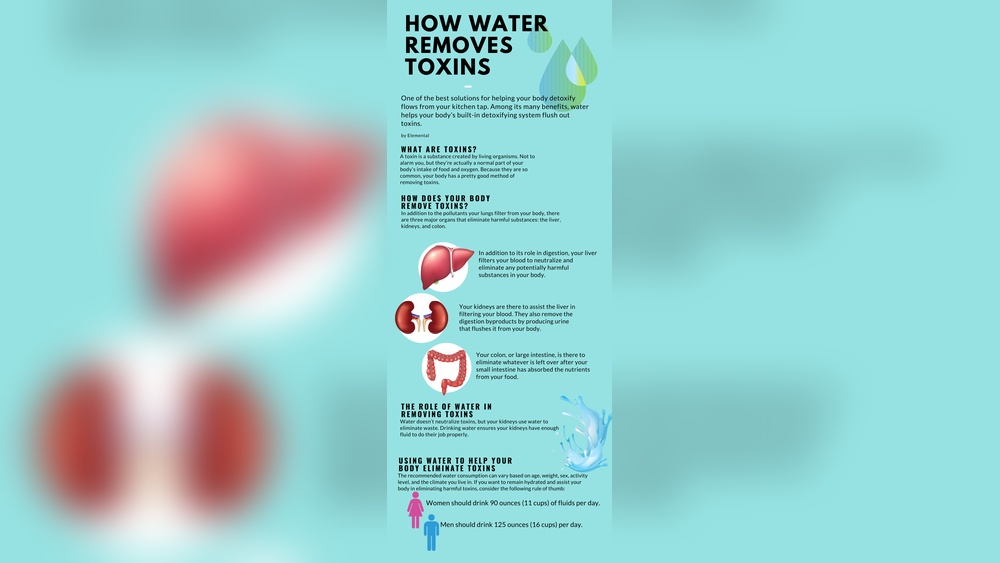
Water is often called the foundation of life. You hear health experts talk about drinking enough water to keep your body free from toxins. But many people don’t understand how water actually helps your body get rid of harmful substances.
In my years of health consulting, I have seen people struggle with fatigue, dull skin, and even headaches—all because they underestimated the role of hydration in detoxification.
This article will explain in detail how water flushes toxins, why it is essential for your health, signs that your body needs more water, real-life examples, step-by-step guidance, common problems, and simple solutions. You will also find a handy table with key points and a FAQ section to answer your most important questions.
Understanding Toxins And Detoxification
Toxins are substances that can harm your body. They come from the food you eat, the air you breathe, and even from normal body processes. Examples include ammonia, urea, and carbon dioxide. Some toxins are natural waste products, while others come from outside, like pesticides, preservatives, or pollutants.
Your body has several organs for detoxification. The liver breaks down toxins, the kidneys filter blood, the lungs expel gases, and the skin removes waste through sweat. However, all these organs need enough water to work efficiently. Without enough water, your body cannot remove toxins quickly, and they may build up, leading to problems like headaches, tiredness, and even kidney stones.
How Water Flushes Toxins From The Body
Water works as a universal solvent. This means it can dissolve many substances, including toxins, and carry them out of your body. Here’s how the process happens:
- Digestion: Water helps break down food and absorbs nutrients. It also helps move waste along the digestive tract.
- Kidney Function: Kidneys use water to filter waste products from the blood. These wastes are then turned into urine.
- Sweating: When you sweat, your body not only cools down but also releases small amounts of toxins.
- Breathing: Water moistens the air you breathe out, helping your lungs remove gases like carbon dioxide.
Studies show that the kidneys filter around 180 liters of blood each day. From this, they produce about 1.5 to 2 liters of urine, which carries toxins out of the body. Without enough water, the urine becomes concentrated, and waste products may harm the kidney tissues.
| Detox Organ | Main Waste Removed | Water’s Role |
|---|---|---|
| Kidneys | Urea, creatinine | Filters blood, forms urine |
| Liver | Bile, ammonia | Helps transport toxins to intestines |
| Lungs | CO2, water vapor | Expels gases through moist air |
| Skin | Salts, small organics | Removes via sweat |

Credit: whitewaternow.com
Why Water Matters For Detoxification
Many people underestimate the impact of hydration on their health. Water is not just for quenching thirst; it is a key part of every detox process in your body. Here is why:
- Prevents buildup: Without enough water, toxins can build up in your cells and organs, leading to illness.
- Improves energy: Studies show that even mild dehydration can reduce your energy levels and focus.
- Supports digestion: Water helps dissolve fiber, making waste easier to pass.
For adults, the recommended intake is about 2.7 liters for women and 3.7 liters for men daily, including all beverages and food. However, needs can change based on climate, activity, and health status.
Practical Examples Of Water Flushing Toxins
Let’s look at real-life situations where water’s role in detoxification becomes clear.
- After exercise: When you sweat during a workout, your body loses water and small amounts of toxins. Drinking water after exercise helps your kidneys filter these out and restore balance.
- Fever or illness: When you’re sick, your body uses more water to fight infection and remove waste from dying cells. Drinking more fluids supports recovery.
- High-protein diets: Eating a lot of protein produces more urea, a waste the kidneys must remove. Water helps dilute and flush this urea safely.
People who increase their water intake often report clearer skin, better digestion, and more energy within a few days. These are signs your body is removing waste more efficiently.
Signs Your Body Needs More Water
Your body sends clear signals when it needs more water to support detoxification. Watch for these signs:
- Dark yellow urine: Healthy urine is light yellow. Dark color means your urine is concentrated with waste.
- Dry mouth and skin: Lack of water shows up as dryness in your mouth, lips, and even your skin.
- Fatigue and headaches: Dehydration can reduce blood volume, making you feel tired or giving you a headache.
- Constipation: Without water, your colon absorbs too much liquid from waste, making stools hard to pass.
If you see these signs, increase your water intake gradually and consistently throughout the day.
Step-by-step Guidance To Help Water Flush Toxins
From years of working with people wanting better health, I recommend these steps to help your body detoxify efficiently with water:
1. Start Your Day With Water
Drink a glass of water after waking up. This helps activate your organs and kick-starts metabolism.
2. Drink Regularly, Not Just When Thirsty
Sip water throughout the day. Thirst is a late sign your body needs more.
3. Include Water-rich Foods
Eat fruits and vegetables like cucumber, watermelon, and oranges, which are high in water.
4. Balance Caffeine And Alcohol
Both can increase urine output and dehydrate you. For every cup of coffee or glass of wine, drink an extra glass of water.
5. Monitor Your Urine Color
Use urine color as a quick indicator. Aim for pale yellow.
6. Adjust For Activity And Climate
If you exercise or live in a hot climate, you need more water to replace what you lose through sweat.
7. Use Reminders
Set phone alarms or keep a water bottle nearby to remind you to drink.

Credit: www.bluonics.com
Common Problems And Solutions
Many people struggle to drink enough water or misunderstand their needs. Here’s what I see most often, and how to fix it:
Problem 1: Forgetting To Drink Water
Solution: Use a marked water bottle with time goals, or set reminders on your phone. Keeping water within reach increases the chance you’ll drink more.
Problem 2: Dislike Of Plain Water
Solution: Add natural flavors like lemon, mint, or cucumber slices. Herbal teas without sugar also count toward your water intake.
Problem 3: Increased Bathroom Visits
Solution: This is normal at first as your body adjusts. Over time, your bladder adapts, and the frequency decreases.
Problem 4: Belief That Other Drinks Hydrate As Well
Solution: Not all drinks hydrate equally. Sugary sodas and energy drinks may actually increase dehydration. Water and unsweetened beverages are best.
Problem 5: Overhydration (rare)
Solution: Drinking too much water in a short time can lower sodium levels dangerously, a condition called hyponatremia. Stick to recommended daily amounts and spread your intake throughout the day.
Maintenance Tips For Healthy Detoxification
Keeping your body’s detox system healthy is an ongoing task. Here are some practical tips:
- Drink before you feel thirsty
- Eat plenty of water-rich foods
- Replace lost fluids after exercise or illness
- Limit drinks high in sugar or caffeine
- Check urine color daily
- Talk to your doctor if you have kidney or heart problems, as your water needs may be different
Remember, consistency is more important than large amounts of water at once.

Credit: www.waterh.com
Key Data Summary
The table below covers the most important facts about water and toxin removal.
| Key Fact | Data/Value | What It Means |
|---|---|---|
| Daily blood filtered by kidneys | ~180 liters | Shows kidneys’ high workload |
| Average urine produced | 1.5–2 liters/day | Used to remove toxins |
| Recommended water intake | 2.7 L (women), 3.7 L (men) | From all beverages and food |
| Sign of dehydration | Dark urine, fatigue | Bodies need more water |
| High-risk groups | Elderly, athletes, sick people | Need to monitor intake closely |
Frequently Asked Questions
What Are The Best Ways To Stay Hydrated For Detoxification?
Drink water regularly throughout the day and eat water-rich foods such as fruits and vegetables. Avoid relying on thirst as your main signal, and keep a bottle nearby to remind yourself.
Can You Drink Too Much Water?
Yes, it is possible, though rare. Drinking excessive amounts in a short time can cause your blood sodium to drop, which is dangerous. Most healthy adults should aim for recommended daily amounts and spread intake evenly.
Are Other Drinks As Effective As Water For Detoxifying?
Plain water is best because it does not contain added sugars or chemicals. Unsweetened herbal teas and water flavored with fruit are also good choices. Sugary or caffeinated drinks can add extra stress to your kidneys.
How Can You Tell If Your Body Is Flushing Toxins Well?
Signs include clear or light yellow urine, regular bowel movements, healthy skin, and good energy levels. If you often feel tired, have headaches, or dark urine, you may need to increase your water intake.
Does Drinking More Water Help With Weight Loss By Flushing Toxins?
Staying hydrated can support weight loss by reducing hunger and improving metabolism, but water alone does not “melt” fat. It helps your body work efficiently during healthy diet and exercise routines.
Key Takeaway
Drinking enough water is critical for your body’s detoxification. It helps your kidneys, liver, skin, and lungs remove harmful substances every day. Pay attention to your body’s signals, drink regularly, and make water a habit for lifelong health. If you want to dive deeper into the science behind hydration and detox, visit the Centers for Disease Control and Prevention or explore detailed research on National Center for Biotechnology Information.
A healthy body starts with something as simple as a glass of water. Make it your daily priority, and your body will thank you.

Hasan Al Sarker is a Reverse Osmosis Specialist. He has worked for many years to ensure safe drinking water for all. His research paper has been published in several journals, including Issue, Medium, and Slideshare. He is recognized as a water doctor among specialists though he did not attend medical college.
Besides working as a researcher of reverse osmosis technology, he is also very fancy with the kitchen and cooking. His guides are reading thousands of people every day. As a head of content, he is responsible for all the published articles at RO System Reviews.