Water is more than just a thirst quencher. It is one of the key drivers behind the way our body uses energy, also known as metabolism. Many people ask me if drinking more water really helps burn more calories or lose weight. The answer is not as simple as yes or no, but science clearly shows that water plays several essential roles in keeping our metabolism running smoothly. This article will help you understand how water intake directly impacts your metabolic health, using real data, practical examples, and expert guidance.
What Is Metabolism?
Metabolism refers to all the chemical reactions that happen inside your body to keep you alive. These reactions break down food for energy, build and repair tissues, and remove waste. The speed at which your body burns calories is called your metabolic rate.
Your body’s metabolism is not fixed. It can change based on factors like age, muscle mass, physical activity, and, importantly, how much water you drink. Staying hydrated is often overlooked, but it is a simple tool to support a healthy metabolic rate.
The Science Behind Water And Metabolism
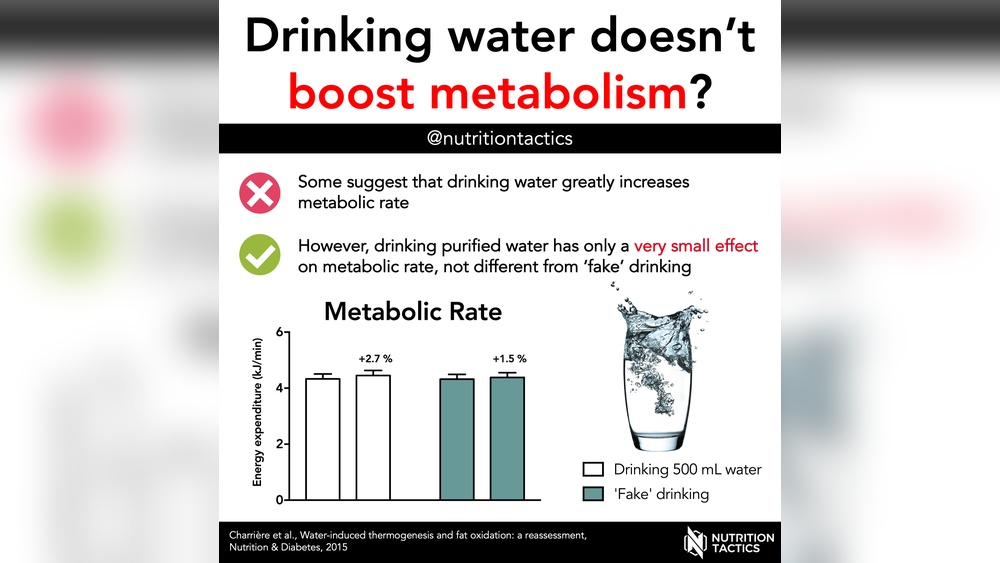
Several studies have looked at how water intake affects metabolism. One well-known study published in the Journal of Clinical Endocrinology & Metabolism found that drinking 500 ml (about 17 oz) of water increased metabolic rate by 30% within 10 minutes, and the effect lasted over an hour.
This means your body burns more calories just by drinking water.
Let’s look at some real numbers:
- The average adult metabolic rate increases by about 24-30% after drinking 500 ml of water.
- For a 70 kg adult, this translates to burning roughly 23 extra calories per 500 ml.
- Over a year, if you drink 1.5 liters more water per day, you could burn an extra 17,000 calories. That is about 2.5 kg (5.5 lbs) of fat.
These numbers show that even small changes in water intake can make a measurable difference over time.
How Water Intake Affects Metabolic Processes
Water helps your metabolism in several ways:
- Thermogenesis: Drinking cold water requires your body to warm it up, which uses energy. This is called water-induced thermogenesis.
- Cellular Reactions: Water acts as a medium for most chemical reactions in your body, including the breakdown of food.
- Nutrient Transport: Water helps transport nutrients and oxygen to your cells, which is critical for energy production.
- Toxin Removal: Metabolic waste is removed through urine, sweat, and breathing. Water flushes these toxins out efficiently.
Without enough water, your body cannot complete these processes at their best speed.
Why Water Intake Matters For Metabolism
Many people focus on diet and exercise but forget hydration. Dehydration, even mild, slows down metabolism and can make you feel tired and weak. Here is why water is so important:
- Water is needed for fat burning (lipolysis). Fat cannot be burned for energy without enough water.
- It helps with appetite control. Sometimes thirst is confused with hunger, which can lead to overeating.
- Good hydration supports muscle function. Muscles use more energy than fat, so staying hydrated helps you stay active and maintain muscle mass.
Research in the field shows that people who drink more water often have lower body weight and body fat compared to those who drink less.
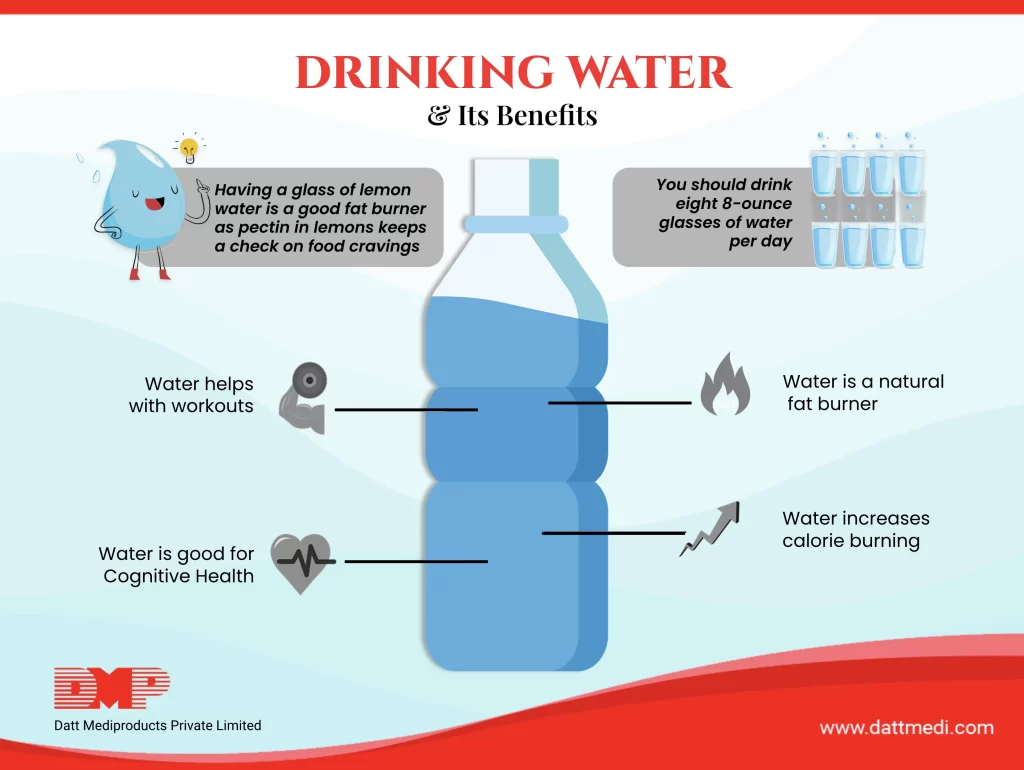
Credit: www.ctcd.edu
Practical Examples: Water Intake And Daily Life
Let me share a few real-life scenarios:
- Office Worker: Sitting all day can make you forget to drink water. You might feel tired or get headaches, which are early signs of dehydration. Drinking a glass of water every hour can keep your metabolism up and your mind sharp.
- Athlete: If you exercise, you lose water through sweat. Not replacing it can slow recovery and fat burning. Drinking before, during, and after workouts keeps your metabolism high.
- Older Adults: As we age, our sense of thirst decreases, and metabolism slows down. Drinking enough water can help fight these effects and keep you feeling energetic.
These examples show that water needs change based on your activity, age, and environment.
Key Indicators Of Good Hydration
How do you know if you are drinking enough water? Here are some signs to look for:
- Clear or pale yellow urine is a good sign. Dark urine means you need more water.
- You rarely feel thirsty if you are well hydrated.
- Steady energy levels during the day.
- No headaches or dry mouth.
- Healthy, soft skin.
If you notice any of these signs missing, it may be time to increase your water intake.
Step-by-step Guidance: Optimizing Water Intake For Metabolism
Here is my expert process for making sure you are drinking enough water to support your metabolism:
- Calculate Your Needs: A simple rule is to drink 30-35 ml per kg of body weight. For a 70 kg person, that is around 2.1 to 2.5 liters daily.
- Start Your Day With Water: Drink a full glass (250-300 ml) right after waking up to jumpstart your metabolism.
- Spread It Out: Do not drink all your water at once. Spread it throughout the day, aiming for a glass every 1-2 hours.
- Drink Before Meals: Having a glass of water before eating can help control appetite and improve digestion.
- Adjust for Activity: If you exercise or are in a hot climate, increase your intake by 500 ml to 1 liter.
- Monitor Urine Color: Use urine color as a simple check for hydration status.
- Limit Sugary Drinks: Replace sodas and juices with water to avoid extra calories.
Following these steps can make a big difference in your daily energy and calorie burning.
Comparing Water Intake Recommendations
Different health organizations offer slightly different guidelines. Here is a summary for adults:
| Organization | Men | Women |
|---|---|---|
| US National Academies | 3.7 L/day | 2.7 L/day |
| EFSA (Europe) | 2.5 L/day | 2.0 L/day |
| WHO | About 2.9 L/day | About 2.2 L/day |
These amounts include all fluids from drinks and food, but plain water is the best choice for supporting metabolism.
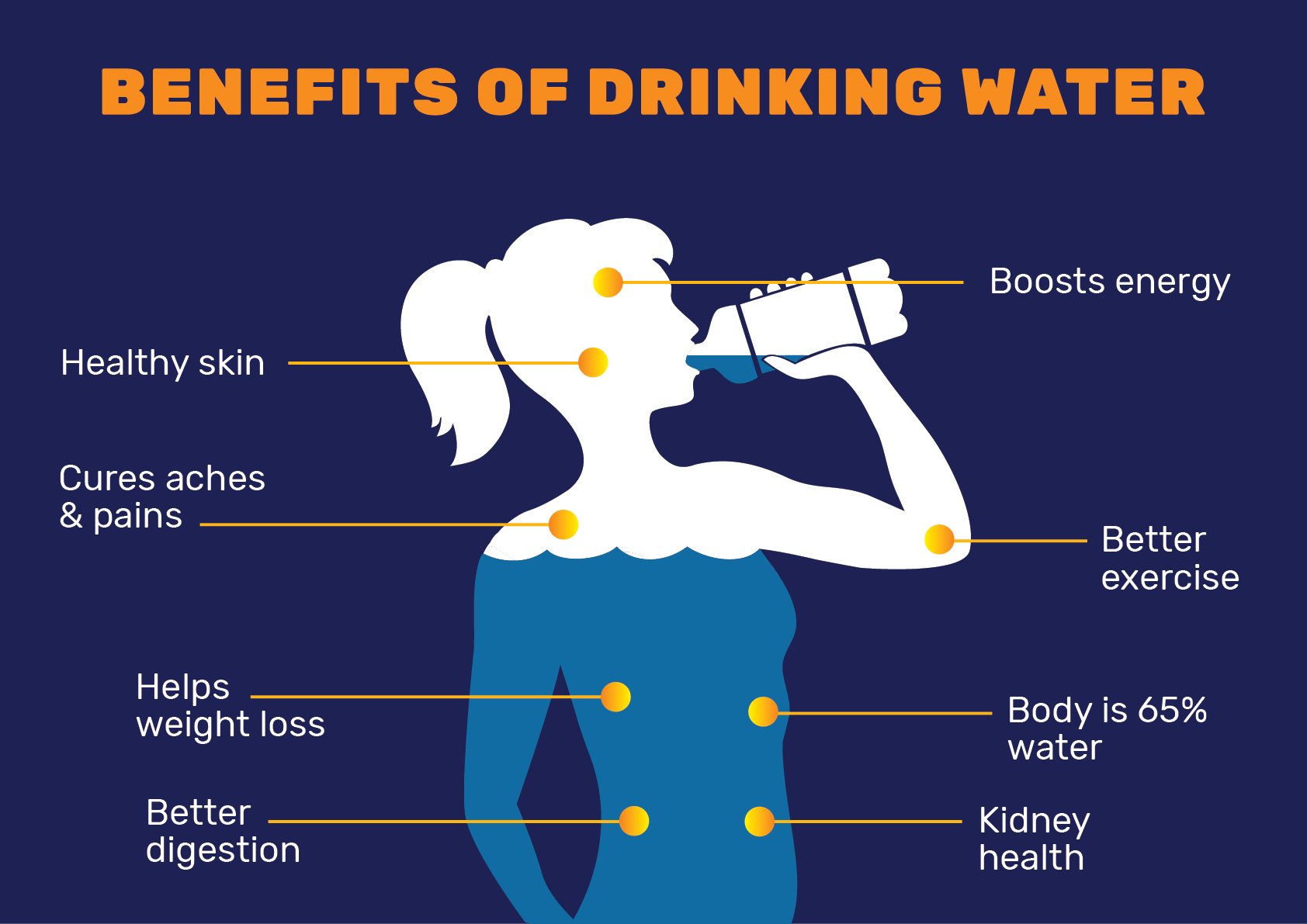
Credit: www.ctcd.edu
Common Problems And Solutions
Many people face obstacles when trying to drink enough water. Here are some common issues and how to solve them:
Problem 1: Forgetting to Drink
- Solution: Set reminders on your phone or keep a bottle within reach at all times.
Problem 2: Disliking Plain Water
- Solution: Add slices of fruit, cucumber, or mint for natural flavor without extra sugar.
Problem 3: Busy Schedule
- Solution: Carry a refillable bottle and sip between tasks. Drink a glass before every meal.
Problem 4: Increased Bathroom Visits
- Solution: Your body will adjust over time. Try drinking more earlier in the day to avoid nighttime trips.
Problem 5: Cold Weather
- Solution: Drink warm water or herbal teas to meet your needs when you do not feel thirsty.
Addressing these problems helps ensure you stay hydrated and keep your metabolism working well.
Maintenance Tips For Lifelong Hydration
Staying hydrated is not a one-time fix. Here are some tips to make it a lifelong habit:
- Start and end your day with water.
- Link water intake to daily routines, like after brushing teeth or before meals.
- Track your intake with a simple app or journal.
- Pay attention to signs of dehydration, especially when sick or traveling.
- Teach family members, especially children and older adults, about the importance of water for health.
Over time, these habits become automatic and help maintain a healthy metabolism.
Summary Table: Water Intake And Metabolic Effects
Below is a quick summary of the key points:
| Aspect | Details |
|---|---|
| Metabolic Rate Boost | 24-30% increase after 500 ml water |
| Calories Burned | ~23 extra calories per 500 ml |
| Recommended Daily Intake | 2-3 liters for adults |
| Signs of Hydration | Pale urine, steady energy, no headaches |
| Adjustment for Activity | Add 0.5-1 liter with exercise or heat |
This table provides a quick reference for how water intake connects to metabolism in practical terms.
Frequently Asked Questions
How Much Water Should I Drink To Boost My Metabolism?
For most adults, 2 to 3 liters per day is a good goal. Your individual needs may vary based on your body size, activity level, and climate.
Does Drinking Cold Water Burn More Calories Than Warm Water?
Yes, cold water can cause a small increase in calorie burning because your body uses energy to warm it up. However, the difference is not very large for daily habits.
Can I Drink Too Much Water?
Yes, excessive water intake can lead to a rare condition called hyponatremia, which is dangerous. Drink water steadily throughout the day and listen to your body’s thirst signals.
Is Water From Food Counted In Daily Intake?
Yes, about 20-30% of your fluid needs can come from foods like fruits and vegetables. The rest should come from beverages, mainly plain water.
How Fast Can I See Results After Improving Hydration?
Some benefits, like better energy and mental clarity, appear within a day or two. Metabolic effects build over weeks and months of consistent hydration.
Credit: www.researchgate.net
Key Takeaway
Proper water intake is a simple but powerful way to support your metabolism. By drinking enough water every day, you help your body burn calories more efficiently, control appetite, and maintain good energy levels. Stay mindful of your hydration and make it a lifelong habit for lasting health benefits.
For deeper reading, you may find more research at the National Institutes of Health and the World Health Organization.
If you want to learn more about healthy habits, check out our other articles on nutrition and wellness.

Hasan Al Sarker is a Reverse Osmosis Specialist. He has worked for many years to ensure safe drinking water for all. His research paper has been published in several journals, including Issue, Medium, and Slideshare. He is recognized as a water doctor among specialists though he did not attend medical college.
Besides working as a researcher of reverse osmosis technology, he is also very fancy with the kitchen and cooking. His guides are reading thousands of people every day. As a head of content, he is responsible for all the published articles at RO System Reviews.