Have you ever wondered what’s really in the water you drink or use every day? Understanding your water’s quality is more important than you might think.
A water quality meter is a handy tool that helps you uncover the truth about your water in just minutes. But how does this device actually work, and what can it tell you about your water’s safety? Keep reading, and you’ll discover exactly how a water quality meter works—and why it could be the key to protecting your health and home.
Basics Of Water Quality Meters
Water quality meters measure the health of water. They help check if water is safe to drink or use. These devices detect different substances and conditions in water. They give quick and accurate results. Many people use them for homes, labs, and industries.
Water quality meters work by using sensors. These sensors react with the water and send signals. The meter changes these signals into numbers or readings. Users read these values to understand water quality. Knowing the basics helps choose the right meter.
Types Of Water Quality Meters
There are many types of water quality meters. Some check one property, while others test several. Common types include pH meters, conductivity meters, and turbidity meters. pH meters measure how acidic or basic water is. Conductivity meters check how well water carries electricity. Turbidity meters show how clear or cloudy water is. Multi-parameter meters combine many tests in one device. Each type serves different needs and situations.
Common Parameters Measured
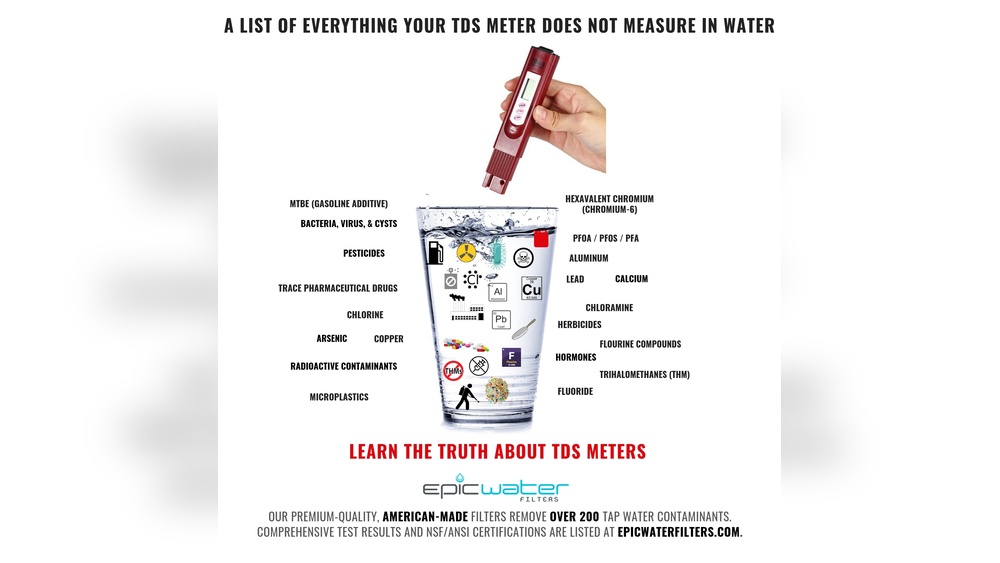
Water quality meters measure key parameters. pH shows the acidity or alkalinity level. Conductivity reveals the amount of dissolved salts. Turbidity indicates particles that make water cloudy. Temperature affects chemical reactions and water life. Dissolved oxygen is vital for fish and plants. Total dissolved solids (TDS) tell how much material is in water. These readings help detect pollution and ensure water safety.
Core Components
The core components of a water quality meter work together to measure and display water conditions. Each part plays a key role in providing accurate and easy-to-read results. Understanding these parts helps explain how the meter functions.
Sensors And Probes
Sensors and probes detect water properties like pH, temperature, and conductivity. These parts touch the water directly to collect data. Different sensors measure different things, depending on the meter’s purpose. High-quality sensors ensure precise and reliable readings every time.
Display And Interface
The display shows the water data clearly for users. It often uses an LCD screen to present numbers and symbols. The interface lets users control settings and view results easily. Buttons or touchscreens help navigate through options quickly.
Power Sources
Power sources keep the meter running smoothly. Most meters use batteries for portability and convenience. Some models support rechargeable batteries or USB charging. Reliable power is important for consistent and long-term use.
Measuring Techniques
Water quality meters use different techniques to check water health. These methods find various pollutants and properties. Each method helps measure specific water traits. Understanding these techniques shows how meters give accurate results.
Some techniques use chemical reactions. Others use light or sound. These approaches help detect things invisible to the naked eye. They give quick, clear readings for safe water use.
Electrochemical Methods
Electrochemical methods measure water by sensing electrical signals. Sensors react with chemicals in the water. These reactions change the electrical current or voltage. The meter reads these changes to find pollutants. Common checks include pH, dissolved oxygen, and ion levels.
Probes touch the water and send signals to the meter. These sensors work fast and provide real-time data. They are useful for testing many water types. The method is precise for detecting small chemical changes.
Optical Methods
Optical methods use light to study water quality. Light passes through water or reflects off particles. The meter measures how light changes. These changes show the amount of certain chemicals or color in water.
Some meters use ultraviolet or infrared light. These types detect organic materials and pollutants. Optical methods do not need chemicals or direct contact. They provide fast and clean water tests.
Turbidity And Particle Analysis
Turbidity measures how clear or cloudy water is. Cloudiness comes from tiny particles suspended in water. Turbidity meters shine light through water and measure scattering. More scatter means more particles and dirt.
Particle analysis counts and sizes these particles. It helps identify pollution sources like dirt, algae, or waste. These tests are important for drinking water and environmental monitoring. They show if water is safe or needs treatment.

Credit: romegamart.com
Calibration And Maintenance
Calibration and maintenance are key for accurate water quality meter readings. They keep the device working well and extend its life. Without regular care, measurements can become wrong.
This section explains why calibration matters, how to do it step-by-step, and tips for daily upkeep.
Importance Of Calibration
Calibration sets the meter to measure water correctly. It compares the device against a known standard. This ensures the readings match real water quality.
Without calibration, results can be off. This may lead to wrong decisions about water safety. Regular calibration keeps data reliable and trustworthy.
Step-by-step Calibration Process
Start by preparing standard solutions with known values. Turn on the meter and clean the sensor gently. Immerse the sensor in the first standard solution.
Wait for the reading to stabilize. Adjust the meter to match the solution’s value. Rinse the sensor and repeat with other standards as needed. Finish by checking the meter reads zero or baseline correctly.
Routine Maintenance Tips
Clean the sensor after each use with soft water or a special solution. Avoid touching the sensor surface with fingers. Store the meter in a dry, safe place away from direct sunlight.
Check batteries regularly and replace them if low. Inspect cables and connectors for damage. Follow the manufacturer’s instructions for deeper cleaning and servicing.
Factors Influencing Accuracy
Accuracy is key in water quality testing. Many factors affect how precise a water quality meter reads. Understanding these factors helps get better results. Some issues come from the environment, some from how samples are handled, and others from the sensor itself.
Environmental Conditions
Temperature changes can shift meter readings. Extreme heat or cold affects sensor performance. Dirt and dust may block sensors and cause errors. Water flow speed can also impact results. Strong sunlight can interfere with some meters. Keeping meters in stable conditions improves accuracy.
Sample Handling
How you collect and prepare water samples matters. Contaminated containers can spoil results. Mixing samples too much may change the water’s properties. Testing samples soon after collection gives better data. Avoid touching the sensor to dirty surfaces. Proper handling keeps readings reliable.
Sensor Lifespan
Sensors wear out over time and lose accuracy. Frequent use can cause sensor drift. Cleaning sensors regularly helps maintain performance. Replace sensors as recommended by the manufacturer. Old sensors give false readings and reduce trust in data.
Credit: www.erunwas.com
Applications Of Water Quality Meters
Water quality meters have many uses in different fields. They help check water health and safety quickly. These meters measure factors like pH, turbidity, and contaminants. Their data supports decisions in many areas.
Environmental Monitoring
Water quality meters track pollution in rivers and lakes. They detect harmful chemicals and waste early. This helps protect fish, plants, and animals. Scientists use these tools to study water changes over time. It guides efforts to keep ecosystems safe.
Industrial Usage
Factories use water quality meters to control water in processes. Clean water is key for product quality and equipment safety. Meters spot problems like dirt or chemicals fast. This saves money by preventing damage and downtime. They ensure industries meet legal water standards.
Drinking Water Safety
Water quality meters check tap water for health risks. They find bacteria, lead, and other harmful substances. Regular testing keeps drinking water safe for families. Water companies rely on meters to keep supplies clean. This protects public health every day.
Advancements In Water Quality Technology
Water quality meters have grown smarter and more efficient over the years. Technology now plays a big role in how these devices measure water purity. This progress helps users get faster and more accurate results. It also makes water testing easier for many people.
Smart And Portable Devices
Modern water quality meters are small and easy to carry. They fit in a pocket or bag. Many models connect to smartphones through apps. This allows users to see results instantly. These devices use sensors that detect chemicals and particles in water. They provide quick feedback on water safety and cleanliness.
Data Integration And Iot
Water meters now link to other smart tools via the Internet of Things (IoT). Data from many meters can be sent to central systems. This helps track water quality over time and across locations. Scientists and officials can spot problems early. The integration allows for better water management and faster action.
Future Trends
New trends focus on improving accuracy and ease of use. Some meters will use artificial intelligence to analyze data. Others may offer real-time monitoring in homes and cities. Solar-powered and self-cleaning devices are under development. These advances aim to make water testing simple and reliable for everyone.

Credit: www.aquasana.com
Frequently Asked Questions
What Is A Water Quality Meter Used For?
A water quality meter measures key parameters like pH, turbidity, and dissolved oxygen. It helps assess water safety and purity for drinking, industry, and environmental monitoring.
How Does A Water Quality Meter Measure Ph?
It uses a sensitive electrode that reacts with hydrogen ions in water. This reaction generates an electrical signal proportional to the water’s acidity or alkalinity.
Can Water Quality Meters Detect Contaminants?
Yes, some advanced meters detect contaminants by measuring indicators like turbidity, conductivity, and specific ion concentrations. This helps identify pollution and harmful substances.
How Often Should Water Quality Meters Be Calibrated?
Calibration is recommended before each use or monthly for regular testing. Proper calibration ensures accurate and reliable water quality readings every time.
Conclusion
A water quality meter checks water health by measuring key factors. It gives quick and clear results anyone can read. Knowing water quality helps keep people and animals safe. Using this tool is simple and important for daily water checks.
Understanding how it works makes water testing less confusing. Clean water matters for life, and meters help protect it. Keep water safe by testing regularly with a quality meter. Easy steps lead to better water and better health.

Hasan Al Sarker is a Reverse Osmosis Specialist. He has worked for many years to ensure safe drinking water for all. His research paper has been published in several journals, including Issue, Medium, and Slideshare. He is recognized as a water doctor among specialists though he did not attend medical college.
Besides working as a researcher of reverse osmosis technology, he is also very fancy with the kitchen and cooking. His guides are reading thousands of people every day. As a head of content, he is responsible for all the published articles at RO System Reviews.