Have you ever wondered if the water coming from your tap is truly safe to drink? Knowing how to check municipal water quality is more important than you might think.
Your health depends on the water you use every day, but not all water is created equal. You’ll discover simple and effective ways to test your water at home and understand the results. By the end, you’ll feel confident about the water flowing through your pipes and learn what steps to take if something seems off.
Keep reading to protect yourself and your family with the knowledge you deserve.
Importance Of Water Quality
Clean water protects health and stops diseases. Testing municipal water helps find harmful chemicals or germs. Simple steps can ensure your water is safe to drink.
Water quality affects daily life and health. Clean water supports good hygiene and safe cooking. Poor water quality can harm the body and spread illness. Checking water quality helps keep families safe. It also protects the environment and local wildlife. Understanding water quality is key to healthy living.
Health Risks From Contaminated Water
Contaminated water can carry harmful bacteria and viruses. These germs cause stomach pain, diarrhea, and infections. Chemicals like lead or pesticides in water harm organs and brain health. Long-term exposure may cause serious diseases. Children and elderly people face higher risks. Knowing water quality helps prevent these health problems.
Benefits Of Regular Water Testing
Regular testing finds pollution early. It helps catch problems before they become serious. Testing guides water treatment to keep it safe. It builds trust in your local water supply. Testing also helps local authorities improve water systems. Clean water means a healthier community and better life quality.

Credit: www.emwd.org
Common Water Contaminants
Municipal water can contain many types of contaminants. These affect water safety and taste. Knowing the common contaminants helps you understand water quality reports. It also guides you in choosing the right water treatment method.
Microbial Pollutants
Microbial pollutants include bacteria, viruses, and parasites. They come from sewage, animal waste, or soil. These microbes can cause illnesses like diarrhea and infections. Testing for microbes ensures water is safe to drink. Boiling water or using filters can remove many microbes.
Chemical Contaminants
Chemical contaminants come from pesticides, industrial waste, and plumbing materials. Common chemicals include lead, chlorine, and nitrates. Some chemicals cause long-term health problems. Water treatment plants reduce chemical levels but may not remove all. Regular testing helps detect harmful chemicals early.
Physical Impurities
Physical impurities are visible particles like dirt, sand, and rust. These come from old pipes or natural sources. They do not usually cause illness but affect water clarity and taste. Filters and sedimentation help remove physical impurities. Clean water looks clear and tastes fresh.
Sources For Water Quality Information
Knowing where to find reliable water quality information helps you stay safe. Several sources offer detailed data about your municipal water. These sources provide easy access to water test results and safety updates. Use them to check if your water meets health standards.
Municipal Water Reports
Municipal water reports show the quality of water in your area. These reports are published yearly by water providers. They include test results for contaminants and chemicals. You can find details on water treatment and safety levels. Most cities make these reports available online or by request.
Local Health Departments
Local health departments monitor water safety in your community. They provide information on water quality issues and health risks. Contact them to learn about recent water tests or concerns. Health departments often offer advice on water filters and safety tips.
Online Water Quality Databases
Online databases collect water quality data from many sources. These tools let you search by city, state, or water system. They show detailed reports on contaminants and compliance with regulations. Use these websites to compare water quality in different areas. Many databases update regularly with new test results.
Credit: www.bainbridgewa.gov
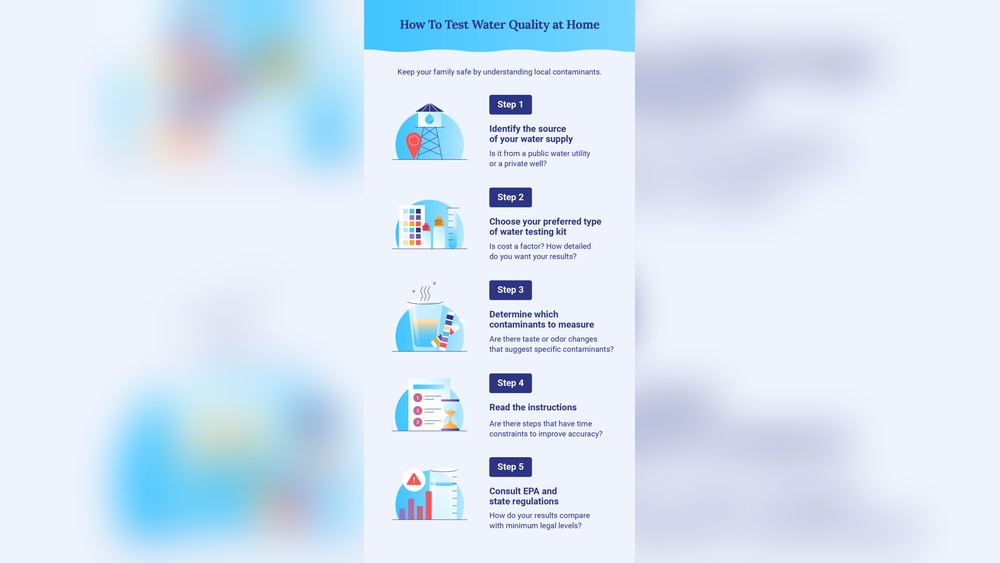
Steps To Test Municipal Water
Testing municipal water helps you know its safety and quality. Simple steps guide you through the process. Each step ensures accurate results for your health and peace of mind.
Collecting Water Samples Correctly
Start by using a clean container. Avoid touching the inside of the bottle. Let the water run for a few seconds before filling. Collect water from the cold tap only. Seal the container tightly to avoid contamination. Label the sample with the date and time.
Using Home Water Testing Kits
Home kits provide quick results at low cost. Follow the instructions carefully for the best accuracy. Dip test strips into the water sample for the required time. Compare color changes with the chart provided. Test for common contaminants like chlorine, lead, and bacteria. Keep results for future reference or action.
Sending Samples To Certified Labs
Certified labs offer detailed and reliable water analysis. Contact your local health department for recommended labs. Use their containers or your properly collected samples. Fill out all required forms accurately. Ship the samples quickly to maintain freshness. Labs provide comprehensive reports on contaminants and safety levels.
Interpreting Test Results
Reading water test results can feel confusing at first. The report shows many numbers and terms. Understanding these details helps you know if your water is safe.
Each test result shows the amount of a specific contaminant. Knowing what these levels mean is key. This section explains how to read and understand these results clearly.
Understanding Contaminant Levels
Test results list contaminants in units like milligrams per liter (mg/L). These numbers show how much of a substance is in your water. Low numbers often mean safer water. High numbers can signal a problem.
Common contaminants include lead, chlorine, and bacteria. Each one affects health differently. Knowing which contaminants appear helps you decide if action is needed. Some substances may be harmless at small levels but dangerous if higher.
Comparing Against Safety Standards
Water test results must be compared to safety limits set by agencies. These limits are called Maximum Contaminant Levels (MCLs). MCLs show the highest safe amount of each contaminant.
If your water has contaminant levels below the MCL, it meets safety standards. Levels above the limit mean the water might not be safe. In such cases, contact your local water supplier or health department.
Understanding these limits helps protect your family’s health. It also guides decisions on water filters or treatments if needed.
Improving Water Safety At Home
Ensuring safe water at home protects your family’s health. Municipal water can sometimes carry impurities or contaminants. Taking extra steps to improve water safety helps reduce risks. Simple actions make a big difference in water quality.
Using Water Filters And Purifiers
Water filters remove dirt, chlorine, and some harmful chemicals. Choose filters certified to remove bacteria and heavy metals. Purifiers use UV light or other methods to kill germs. Install filters on taps or use portable filter pitchers. Change filter cartridges as recommended for best results.
Regular Maintenance Of Plumbing
Old pipes can leak or contaminate your water supply. Inspect plumbing for rust, leaks, and damage regularly. Flush your system by running cold water for a few minutes. Clean faucet aerators to remove mineral build-up. Replace old pipes with safer materials like copper or PVC.
Boiling And Other Simple Methods
Boiling water kills most bacteria and viruses. Boil water for at least one minute before drinking or cooking. Use boiling as a backup when filters are not available. Let boiled water cool in a clean container. Other methods include using chlorine drops or water purification tablets.
When To Contact Authorities
Knowing when to contact authorities about municipal water quality is important. Water problems can affect your health and safety. Acting quickly helps prevent bigger issues. Recognize signs of contamination early. Authorities can take steps to fix problems and protect the community.
Reporting Contamination Issues
Report any strange taste, smell, or color in your water. Cloudy or discolored water signals possible contamination. If you see particles or sediment, report it immediately. Health problems like stomach pain after drinking water need quick action. Contact your local water department or health agency. Provide clear details about the problem and your location. Early reports help authorities test and find the source fast.
Seeking Professional Assistance
Contact a water quality expert for detailed testing. Professionals use special tools to find hidden contaminants. They can check for bacteria, chemicals, or metals. If water tests show unsafe levels, call authorities right away. Professionals advise on treatment options to make water safe. Use certified labs to ensure accurate results. Getting expert help protects your family and community health.

Credit: www.como.gov
Frequently Asked Questions
How Can I Test Municipal Water Quality At Home?
You can use home water testing kits to check for contaminants. These kits detect chlorine, lead, bacteria, and pH levels. Follow instructions carefully for accurate results. Regular testing helps ensure your water is safe for drinking and daily use.
Where To Find Municipal Water Quality Reports?
Municipal water quality reports are usually available on your local water supplier’s website. They publish annual Consumer Confidence Reports (CCR). These reports detail water sources, contaminants, and safety compliance. You can also request a physical copy by contacting your water provider.
What Contaminants Are Commonly Found In Municipal Water?
Common contaminants include chlorine, lead, nitrates, bacteria, and pesticides. Municipal water is treated to meet safety standards but occasional issues may arise. Testing helps identify any harmful substances to protect your health and ensure water safety.
How Often Should Municipal Water Be Tested?
Municipal water is typically tested monthly or quarterly by suppliers. However, homeowners should test their water annually or if changes in taste, odor, or appearance occur. Frequent testing ensures early detection of any contamination or quality issues.
Conclusion
Checking your municipal water quality helps keep your family safe. Simple tests reveal if water is clean or needs attention. Local reports and online resources provide useful information quickly. Regular checks catch problems early before they become serious. Clear, fresh water supports good health every day.
Stay informed and take action when you spot issues. Clean water is a key part of a healthy home. Small efforts make a big difference in water safety. Keep your water quality in mind for peace of mind.

Hasan Al Sarker is a Reverse Osmosis Specialist. He has worked for many years to ensure safe drinking water for all. His research paper has been published in several journals, including Issue, Medium, and Slideshare. He is recognized as a water doctor among specialists though he did not attend medical college.
Besides working as a researcher of reverse osmosis technology, he is also very fancy with the kitchen and cooking. His guides are reading thousands of people every day. As a head of content, he is responsible for all the published articles at RO System Reviews.