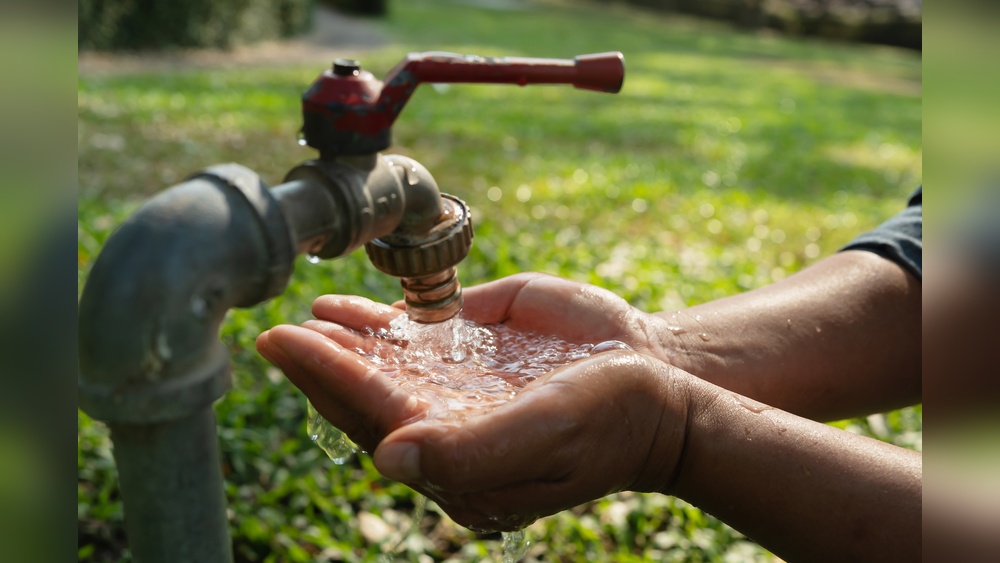
Have you ever stopped to think about what’s really in the water you drink every day? The quality of your water doesn’t just affect its taste—it can have a big impact on your health.
From the moment water touches your lips, it can either support your body or silently cause harm. Understanding how water quality affects your well-being is one of the simplest yet most powerful steps you can take to protect yourself and your loved ones.
Keep reading to discover the hidden risks and how you can ensure your water is truly safe for you.
Credit: h2oglobalnews.com
Water Contaminants And Their Sources
Water quality directly affects our health. Contaminants in water come from many sources. These impurities can cause illnesses and long-term health issues. Understanding the types of contaminants helps us protect ourselves and our families. Below are the main categories of water pollutants and their sources.
Chemical Pollutants
Chemical pollutants enter water from factories, farms, and homes. Common chemicals include pesticides, heavy metals, and industrial waste. These substances can poison the body and harm organs. Lead and mercury are especially dangerous even in small amounts. Chemicals can come from old pipes, fertilizers, or spills. Clean water must be free from these toxic chemicals.
Biological Contaminants
Biological contaminants are tiny living things like bacteria, viruses, and parasites. They often come from sewage, animal waste, or dirty water. These microbes cause infections and diseases such as diarrhea, cholera, and typhoid. Unsafe water can spread illnesses quickly. Proper sanitation and water treatment reduce biological contamination.
Physical Impurities
Physical impurities include dirt, sand, and rust particles in water. These come from soil erosion, old pipes, and construction. While not usually harmful by themselves, they can carry harmful microbes or chemicals. Physical impurities make water cloudy and unpleasant. Filtering water can remove these visible particles for safer use.
Health Risks Linked To Poor Water Quality
Poor water quality poses serious health risks to people worldwide. Contaminated water carries harmful germs, chemicals, and pollutants. These dangers can cause both short-term illnesses and long-term health problems. Understanding these risks helps protect yourself and your family.
Many health issues arise from drinking or using unsafe water. The effects can range from mild discomfort to life-threatening diseases. Vulnerable groups, like children and elderly, face greater risks. Knowing the specific health impacts aids in taking proper precautions.
Waterborne Diseases
Contaminated water spreads many infectious diseases. Common ones include cholera, typhoid, and dysentery. These illnesses cause diarrhea, vomiting, and dehydration. They can be deadly, especially in places lacking medical care. Drinking or using clean water reduces these risks significantly.
Chronic Health Conditions
Long-term exposure to polluted water may cause serious health issues. Chemicals like lead and arsenic build up in the body. This can damage the liver, kidneys, and brain. Some pollutants increase the risk of cancer. Continuous contact with unsafe water worsens these conditions over time.
Impact On Vulnerable Groups
Children, pregnant women, and elderly suffer most from poor water quality. Their immune systems are weaker and less able to fight infections. For children, unsafe water can stunt growth and harm development. Pregnant women face risks of complications and birth defects. Protecting these groups is vital for community health.
Hidden Dangers In Everyday Water Use
Water is essential for life, but it can also hide dangers. Everyday water use may expose people to harmful substances. These risks come from water we drink, use for cooking, and even water in places for fun. Understanding these hidden dangers helps protect health.
Contaminated Drinking Water
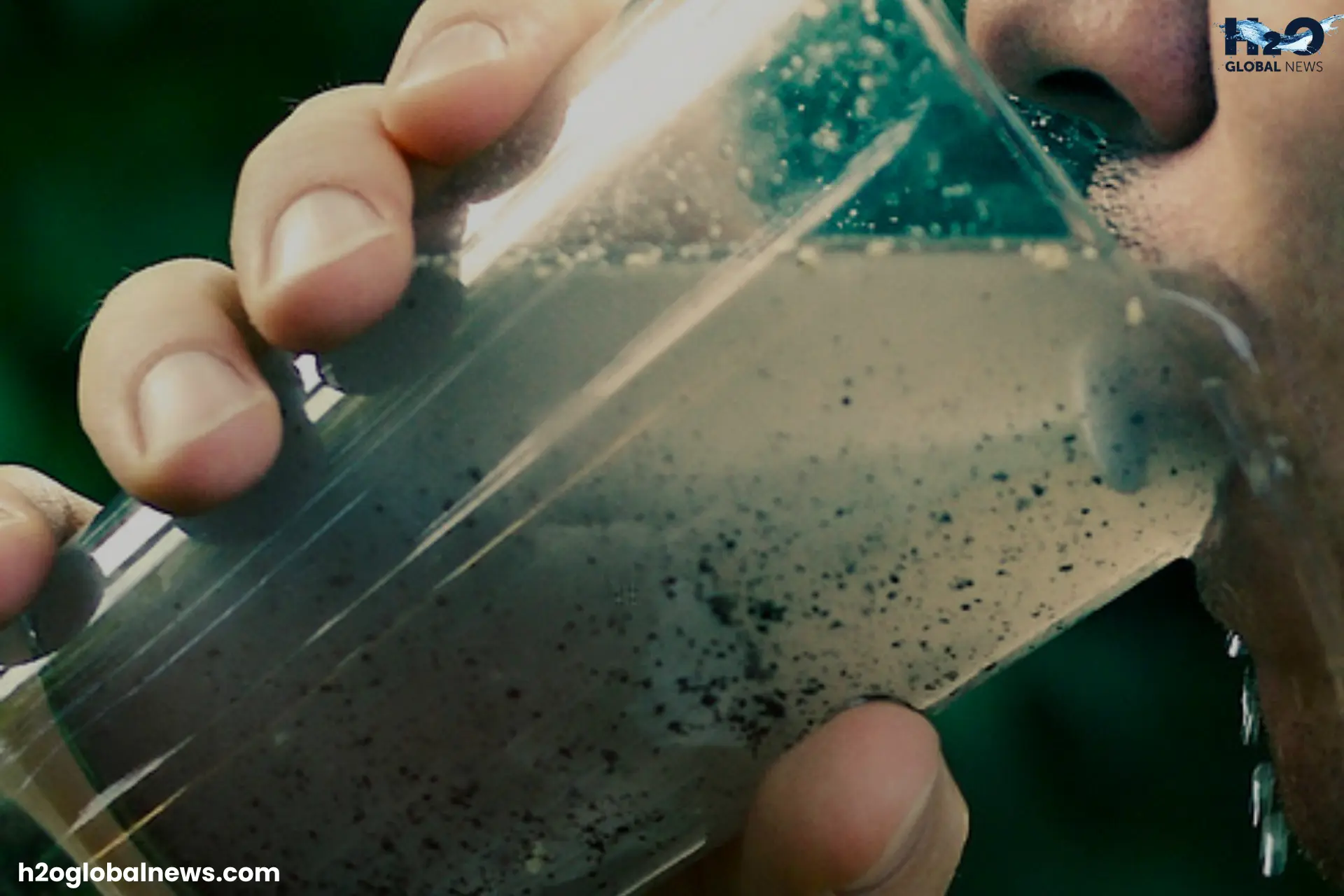
Drinking water can carry germs, chemicals, and metals. These contaminants cause stomach problems and long-term illnesses. Old pipes and poor water treatment increase these risks. Clear water is not always safe water.
Risks From Bathing And Cooking
Water used for bathing and cooking may contain harmful bacteria and chemicals. Skin can absorb some of these substances during showers. Cooking with contaminated water can spread germs to food. Boiling helps but does not remove all risks.
Water Quality In Recreational Areas
Swimming pools, lakes, and rivers can have unsafe water. Pollution and waste cause infections and skin irritations. Swallowing this water may lead to stomach illnesses. Checking water quality before activities reduces health risks.
Credit: h2oglobalnews.com
Detecting And Testing Water Quality
Water quality plays a big role in health. Detecting and testing water quality helps find harmful pollutants. It shows if water is safe to drink or use. Testing water regularly protects families from diseases. It also helps fix water problems early.
Common Testing Methods
Laboratories use many ways to test water. They check for bacteria, chemicals, and heavy metals. Some tests use special machines to find tiny particles. Others use color changes to show pollution levels. These methods give clear results on water safety.
Home Testing Kits
Home testing kits let people check water themselves. These kits are easy to use and give fast results. They test for common issues like chlorine, lead, or pH levels. Home kits help detect problems before they get worse. They are a simple step to protect health.
Interpreting Test Results
Test results show if water is clean or dirty. Numbers and colors indicate pollution levels. Safe water meets standards set by health experts. High levels of contaminants mean water is unsafe. Knowing how to read results helps decide next steps.
Improving Water Quality At Home
Improving water quality at home helps protect your health. Clean water reduces risks of sickness and keeps your family safe. Simple steps make a big difference in water safety.
Filtration Systems
Filtration systems remove dirt, chemicals, and germs from water. They come in many types like carbon filters and reverse osmosis. Installing a good filter improves water taste and safety. Change filters regularly to keep them effective.
Boiling And Disinfection
Boiling water kills most harmful bacteria and viruses. Boil water for at least one minute before drinking. Disinfection tablets or drops also clean water quickly. These methods help when water quality is uncertain.
Safe Water Storage
Store water in clean, covered containers to avoid contamination. Use containers made of food-safe materials. Keep storage areas cool and away from chemicals. Clean containers before refilling to maintain water quality.
Credit: svalbardi.com
Global Efforts And Policies
Water quality is a major global concern. Unsafe water causes many health problems worldwide. Governments and organizations work hard to improve water safety. They create rules and programs to protect public health. These efforts help reduce diseases and improve life quality.
Water Quality Standards
Water quality standards set limits on harmful substances. These rules ensure water is safe to drink and use. They cover bacteria, chemicals, and heavy metals. Many countries follow guidelines from the World Health Organization. These standards protect people from waterborne diseases and pollution.
Government Initiatives
Governments launch projects to clean water sources. They build treatment plants and improve sanitation systems. Laws require industries to treat wastewater before release. Regular water testing helps find pollution early. Public education teaches safe water use and hygiene. These actions reduce illness and save lives.
Community-based Solutions
Local groups play a key role in water safety. They monitor water quality in their areas. Communities build wells and filters to get clean water. They raise awareness about protecting water from pollution. Cooperation helps keep water sources safe and clean. Small actions add up to big health benefits.
Frequently Asked Questions
What Health Problems Are Caused By Poor Water Quality?
Poor water quality can cause diarrhea, cholera, and lead poisoning. It also increases risks of infections and long-term diseases like cancer. Contaminants such as bacteria, chemicals, and heavy metals are harmful when ingested or contacted regularly.
How Does Contaminated Water Affect Children’s Health?
Contaminated water can cause severe diarrhea, malnutrition, and stunted growth in children. It also raises risks of developmental delays and weakened immune systems. Children are more vulnerable due to their smaller body size and developing organs.
Can Water Quality Impact Mental Health?
Yes, exposure to toxic metals in water may impair brain function. Poor water quality can cause stress and anxiety due to illness or unsafe living conditions. Clean water supports overall well-being, including cognitive health.
How To Test If Water Quality Is Safe To Drink?
You can use home water testing kits or send samples to certified labs. Testing checks for bacteria, lead, pesticides, and other harmful substances. Regular testing ensures water safety and prevents health risks.
Conclusion
Clean water supports good health and prevents many diseases. Poor water quality can cause serious illnesses quickly. Everyone should drink safe, clean water every day. Protecting water sources helps keep communities healthy. Simple actions like filtering water can make a big difference.
Understanding water quality helps us make better health choices. Water matters more than we often realize. Stay aware, stay safe, and value clean water always.

Hasan Al Sarker is a Reverse Osmosis Specialist. He has worked for many years to ensure safe drinking water for all. His research paper has been published in several journals, including Issue, Medium, and Slideshare. He is recognized as a water doctor among specialists though he did not attend medical college.
Besides working as a researcher of reverse osmosis technology, he is also very fancy with the kitchen and cooking. His guides are reading thousands of people every day. As a head of content, he is responsible for all the published articles at RO System Reviews.