Have you ever taken a sip of water only to be hit with an unpleasant taste? Bad tasting water can ruin your day, make you avoid drinking enough, and even affect your health.
But here’s the good news: you don’t have to live with it. You can fix your water’s taste quickly and easily. Keep reading, and you’ll discover simple, practical steps that will transform your water into something fresh, clean, and enjoyable every time you take a drink.
Your taste buds—and your body—will thank you.
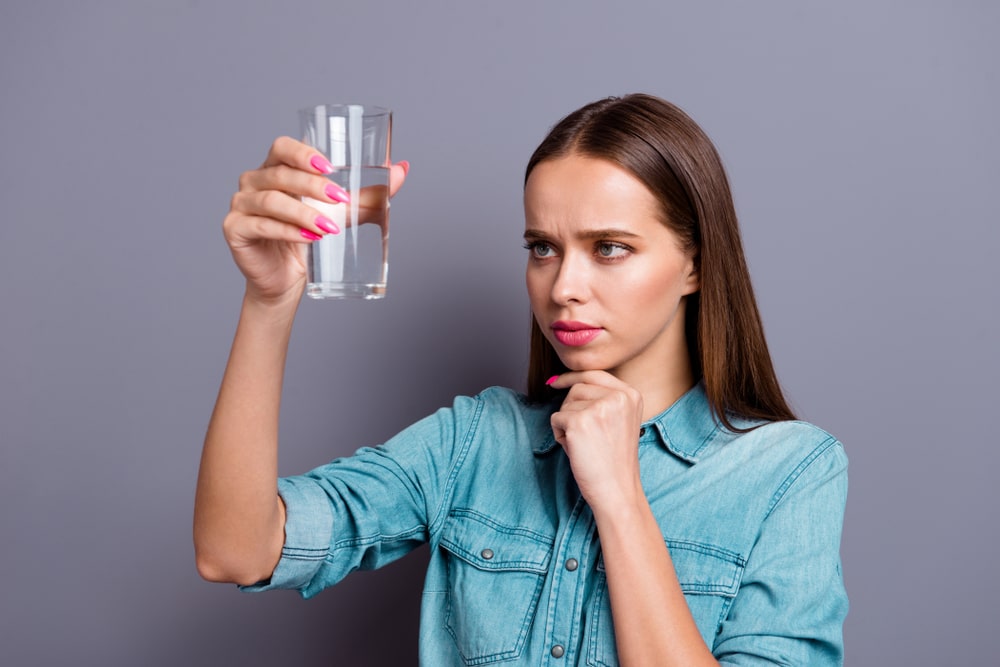
Credit: nelsonwater.com
Common Causes Of Bad Tasting Water
Bad tasting water can make drinking and cooking unpleasant. Knowing the causes helps you fix the problem fast. Several common factors change the taste of your water. These include chemicals, minerals, pollutants, and old pipes. Understanding each cause can guide you to cleaner, fresher water.
Chlorine And Chemicals
Many water systems add chlorine to kill bacteria. Chlorine can leave a strong, bitter taste. Other chemicals used in water treatment may also affect taste. These substances keep water safe but can make it less enjoyable to drink.
Mineral Content
Water naturally contains minerals like iron, sulfur, and calcium. High levels of these minerals cause a metallic or bitter taste. Hard water, rich in calcium and magnesium, may leave a chalky feeling. Minerals affect both taste and water quality.
Contaminants And Pollutants
Pollutants from factories, farms, or sewage can enter water sources. These contaminants often cause unpleasant smells and tastes. Common pollutants include pesticides, chemicals, and waste products. They pose health risks and spoil water flavor.
Old Plumbing And Pipes
Old pipes can rust or corrode over time. Rusty pipes release metal particles that change water taste. Lead pipes add a metallic flavor and health hazards. Aging plumbing often causes cloudy, smelly, or bad tasting water.
Simple Home Remedies To Improve Taste
Bad tasting water can spoil your day. Simple home remedies can improve its taste quickly. These easy methods use items found in most kitchens. No need for fancy filters or special tools.
Try these simple tricks to make your water taste fresh and clean. Each method is easy to follow and safe for daily use. Enjoy better tasting water with little effort.
Boiling Water
Boiling water kills bacteria and removes some odors. Boil the water for 3 to 5 minutes. Let it cool before drinking. This process often improves taste by removing impurities. It is a quick and natural way to freshen water.
Using Lemon Or Citrus
Add a slice of lemon or orange to your water. Citrus fruits add a fresh, tangy flavor. They also mask any unpleasant smells. Let the fruit sit in water for 10 minutes. This simple step makes water taste cleaner and more inviting.
Adding Baking Soda
Mix a tiny pinch of baking soda into your water. Baking soda neutralizes acidity and reduces bitterness. Stir well and taste the water. Avoid using too much to keep the flavor balanced. This remedy helps if your water tastes metallic or sour.
Chilling Water
Cold water tastes fresher and less bitter. Place water in the fridge for at least an hour. Serve it chilled to improve flavor instantly. Cooler temperatures reduce unpleasant smells and soften taste. This is an easy way to enjoy better water at home.
Water Filtration Options
Bad tasting water often comes from impurities and chemicals. Water filtration can improve taste and safety. Different filters target different problems. Choose the right one for your water issues.
Activated Carbon Filters
Activated carbon filters remove chlorine and bad odors. They trap particles and chemicals that cause taste problems. These filters work well for tap water. They are affordable and easy to install. Regular replacement keeps the filter effective.
Reverse Osmosis Systems
Reverse osmosis systems push water through a fine membrane. This process removes many contaminants, including salts and heavy metals. It produces very clean, fresh-tasting water. These systems need more space and can waste some water. They are best for serious water issues.
Uv Water Purifiers
UV water purifiers kill bacteria and viruses with ultraviolet light. They do not change taste but make water safer. UV purifiers work well with other filters. They need electricity to run. Use them if your water has germs or microbes.
Distillation Units
Distillation units boil water and collect the steam. This removes almost all impurities and minerals. The water tastes pure and clean. Distilled water can lack some minerals needed for taste. These units use energy and take time. Good for removing heavy metals and chemicals.
Maintaining Your Water Source
Maintaining your water source keeps your water clean and fresh. Regular care helps stop bad tastes and smells. It also protects your health. Simple steps can make a big difference. Focus on plumbing, water tanks, and wells to keep water quality high.
Regular Plumbing Checks
Check pipes and fixtures often. Old or rusty pipes can change water taste. Look for leaks or blockages. Fix problems quickly to avoid contamination. Clean aerators and faucets to remove buildup. Regular checks keep water flowing pure and fresh.
Cleaning Water Tanks
Water tanks can hold dirt and germs. Clean them every six months or as needed. Use safe, gentle cleaners and scrub all surfaces. Rinse tanks well before refilling. A clean tank stops bad odors and tastes in your water.
Protecting Wells And Outdoor Sources
Keep wells covered and sealed. Stop animals or debris from entering. Clear the area around the well from chemicals and waste. Test water regularly for safety. Proper care of outdoor sources keeps water pure and tasty.
When To Test Your Water Quality
Testing your water quality is important to keep your water safe and tasty. Water can change over time. Pipes can corrode. Chemicals can enter your water supply. Knowing when to test helps you act fast and fix problems.
Signs Of Contamination
Bad taste or strange smell may mean water is contaminated. Cloudy or colored water is a warning sign. Skin irritation after washing can also show water issues. Look for rust or particles in the water. These signs tell you to test your water immediately.
Home Testing Kits
Home testing kits are easy to use and fast. They check for common problems like bacteria, lead, and chlorine. Kits give results in minutes or days. They cost less than professional tests. Use kits regularly to keep water safe.
Professional Lab Testing
Professional labs offer detailed and accurate water tests. They check many contaminants that home kits miss. Labs follow strict rules to ensure results are correct. Use lab tests if home kits show problems or every few years. Labs give a full report and advice to fix issues.
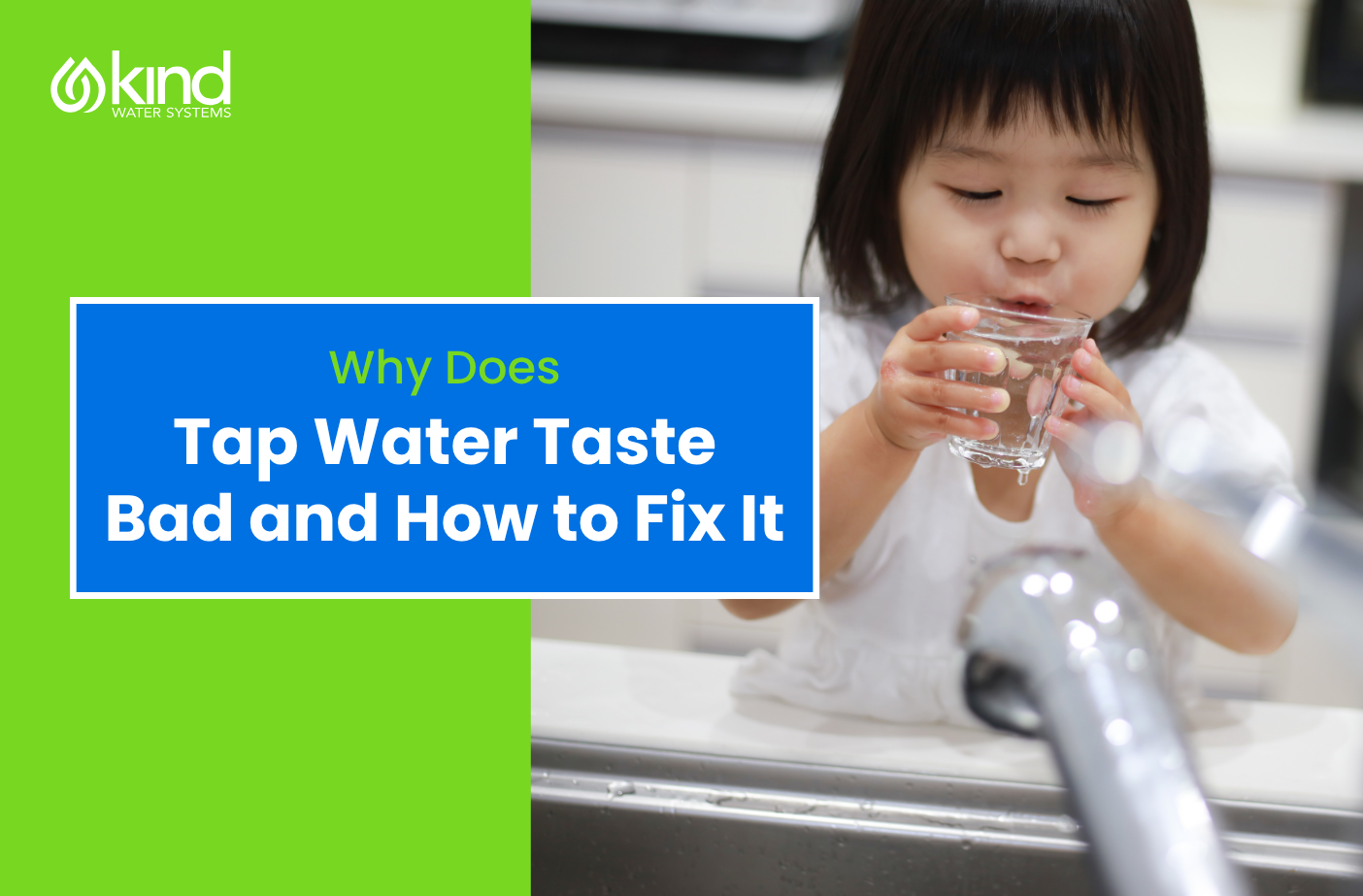
Credit: kindwater.com

Credit: www.simpurelife.com
Frequently Asked Questions
What Causes Bad Tasting Water At Home?
Bad tasting water often comes from chlorine, minerals, or bacteria. Plumbing issues and old pipes can also affect taste. Contaminants like sulfur or iron cause unpleasant flavors.
How Can I Remove Bad Taste From Tap Water?
Use water filters like activated carbon or reverse osmosis systems. Boiling water or adding lemon can improve taste temporarily. Regular pipe cleaning also helps.
Is Bad Tasting Water Harmful To Health?
Not always, but it can indicate contaminants. Some tastes come from harmless minerals, while others might signal bacteria or chemicals. Testing water ensures safety.
Can Water Softeners Improve Water Taste?
Yes, water softeners remove minerals like calcium and magnesium that cause hardness. This can reduce metallic or bitter tastes and improve overall flavor.
Conclusion
Bad tasting water can affect your daily life and health. Simple steps like cleaning pipes or using filters help improve taste. Regular testing ensures water stays safe and fresh. Small changes make a big difference in water quality. Enjoy clean, good-tasting water every day.
Stay aware and take action to fix water issues. Drinking better water feels good and supports your body. Keep these tips handy for fresh water anytime.

Hasan Al Sarker is a Reverse Osmosis Specialist. He has worked for many years to ensure safe drinking water for all. His research paper has been published in several journals, including Issue, Medium, and Slideshare. He is recognized as a water doctor among specialists though he did not attend medical college.
Besides working as a researcher of reverse osmosis technology, he is also very fancy with the kitchen and cooking. His guides are reading thousands of people every day. As a head of content, he is responsible for all the published articles at RO System Reviews.