Have you ever wondered if the water you drink every day is truly safe? Testing your water quality at home is easier than you might think, and it can protect your health and peace of mind.
Imagine knowing exactly what’s in your water without waiting for expensive lab results. You’ll discover simple, effective ways to check your water right now. Keep reading, because understanding your water quality could save you from hidden dangers and give you confidence in every sip.
Why Test Water Quality
Testing water quality at home helps ensure your drinking water is safe and clean. Simple kits can detect harmful chemicals and bacteria. Knowing water quality protects health and prevents illness.
Water is essential for life. Clean water keeps us healthy and safe. Testing water quality helps find harmful substances early.
Many water problems are invisible. Chemicals, bacteria, and metals may not be seen or smelled. Testing reveals these dangers.
Knowing water quality protects your family. It ensures drinking water is safe for children and adults. It also helps avoid illness caused by dirty water.
Detecting Harmful Contaminants
Contaminants like lead, pesticides, and bacteria can cause health problems. Testing water identifies these risks. Early detection stops long-term damage.
Some contaminants build up over time. Regular testing helps catch these issues before they worsen. Protect your health by staying informed.
Improving Water Taste And Smell
Bad taste or smell often means poor water quality. Testing finds the cause. Fixing water issues improves drinking and cooking experiences.
Clear, fresh water encourages healthy hydration. Testing helps ensure water is pleasant and safe to use every day.
Protecting Home Appliances And Plumbing
Hard water or minerals can damage pipes and appliances. Testing water quality shows if these problems exist. Early action saves money on repairs.
Clean water extends the life of water heaters and filters. Testing helps maintain your home’s water system efficiently.
Common Water Contaminants
Water may look clean but can hide many harmful substances. Testing water quality at home helps find these common contaminants. Knowing what to test makes it easier to keep your water safe and healthy.
Chemical Pollutants
Chemical pollutants come from factories, farms, and pipes. They include pesticides, heavy metals like lead, and chlorine. These chemicals can cause health problems if they get into drinking water. Testing kits can detect many of these pollutants quickly.
Biological Contaminants
Biological contaminants are tiny living organisms. Bacteria, viruses, and parasites can enter water from sewage or animal waste. They may cause illnesses such as stomach infections. Water testing can identify these harmful microorganisms to protect your family.
Physical Impurities
Physical impurities are particles like dirt, sand, and rust. They do not usually cause illness but affect water taste and clarity. These impurities can clog pipes and damage appliances. Testing water helps spot these particles and decide if filtration is needed.
Essential Water Testing Tools
Testing water quality at home requires the right tools. These tools help check if your water is safe and clean. They are simple to use and give quick results. Choosing the right tool depends on what you want to test and how detailed the results need to be.
Here are some essential water testing tools you can use at home.
Test Strips
Test strips are thin strips coated with chemicals. Dip them into water and watch for color changes. Each color shows a different water quality level. They test for pH, chlorine, hardness, and more. Test strips are fast and easy. They provide a basic overview of water quality.
Digital Meters
Digital meters give precise water readings. They measure pH, total dissolved solids (TDS), and conductivity. These meters display numbers on a screen. They are more accurate than test strips. Digital meters need batteries and regular calibration. They are great for people who want detailed water data.
Diy Test Kits
DIY test kits include various tools and chemicals. They test for bacteria, lead, nitrates, and other contaminants. Kits come with instructions for use. They offer a deeper analysis than test strips. Some kits require sending samples to a lab. DIY kits suit those needing thorough water checks.

Credit: waterfilterguru.com
Step-by-step Home Testing Methods
Testing water quality at home is simple and quick. It helps you know if your water is safe to drink. This section explains easy methods anyone can follow. Each method uses different tools but all give clear results.
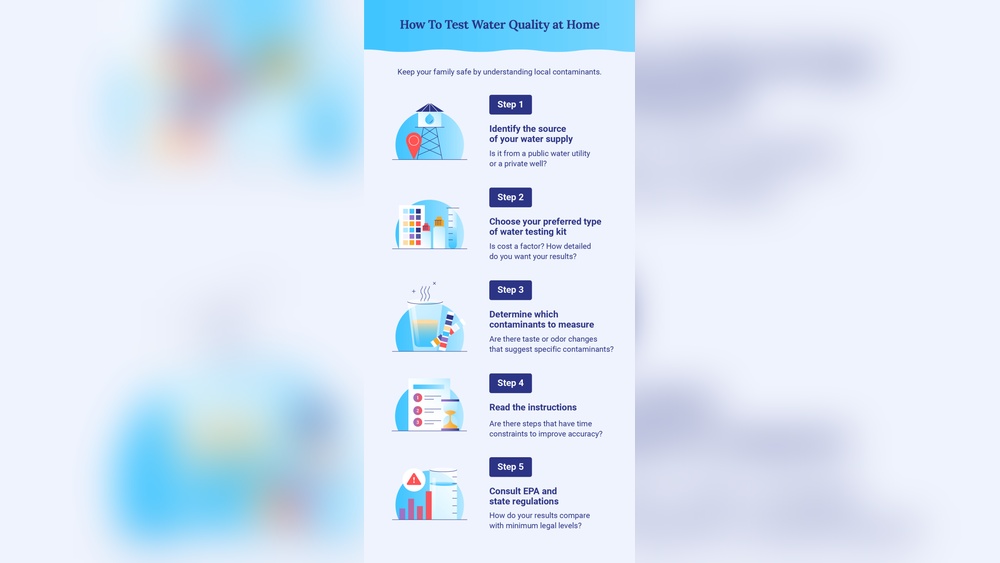
Follow these steps carefully. Keep your testing area clean and dry. Use fresh water samples for accurate results. Record your findings to track changes over time.
Using Test Strips
Test strips are thin paper strips with chemicals on them. Dip a strip into a water sample for a few seconds. Remove it and wait for the color to change. Match the strip’s color to the chart included in the kit. This shows levels of chlorine, pH, hardness, and more.
Test strips are cheap and easy to use. They give quick results but may not be very precise. Use them for a basic check of your water quality.
Applying Chemical Kits
Chemical kits use drops or powders that react with water. Add the chemicals to a small water sample as instructed. Watch for color changes that show contamination levels. Compare the color with the chart provided in the kit.
This method checks for bacteria, nitrates, or heavy metals. It takes a bit more time than strips. Chemical kits offer more detailed results for better water analysis.
Employing Digital Devices
Digital devices include meters that measure water properties directly. Common types test pH, total dissolved solids (TDS), or conductivity. Turn on the device and insert the probe into the water sample. Read the digital display for instant results.
Digital testers are more expensive but very accurate. They require batteries and proper calibration. Ideal for regular testing and detailed water quality monitoring.
Interpreting Test Results
Interpreting water test results is important for knowing your water’s safety. Test kits give numbers and colors. These results tell you if your water is clean or has problems.
Understanding these results helps you decide on next steps. Some issues need simple fixes, others need expert help. Clear knowledge avoids confusion and keeps your home safe.
Understanding Ph Levels
pH shows how acidic or basic water is. A pH of 7 means neutral water. Below 7 means acidic, above 7 means basic. Safe drinking water usually has pH between 6.5 and 8.5.
Low pH can cause pipe corrosion and bad taste. High pH may leave deposits and affect soap use. Adjust pH if it is outside the safe range.
Checking For Contaminants
Test kits check for harmful substances like lead, bacteria, or nitrates. Each contaminant has a safe limit. Results over this limit mean water is unsafe.
Lead can harm health even in small amounts. Bacteria may cause illness. Nitrates are risky for babies. Take action if any contaminant is above safe levels.
Reading Color And Cloudiness
Clear water is usually safe, but color or cloudiness shows possible issues. Yellow, brown, or green tint means impurities or algae. Cloudy water may have dirt or tiny particles.
Colored or cloudy water needs further testing or treatment. Do not ignore these signs, as they affect water quality and safety.

Credit: www.livpuresmart.com
Improving Water Quality
Improving water quality at home is important for health and safety. Clean water helps prevent illnesses and keeps your family safe. Simple steps can make a big difference in water quality. Knowing how to treat and check your water helps you stay in control.
Filtration Options
Water filters remove dirt, chemicals, and some germs. Common filters use activated carbon to trap impurities. Pitcher filters are easy to use and affordable. Under-sink filters offer stronger protection for daily use. Choose filters that match your water needs. Replace filters regularly for best results.
Disinfection Techniques
Disinfection kills harmful bacteria and viruses in water. Boiling water is a simple and effective method. UV light devices can destroy germs without chemicals. Chlorine drops or tablets also disinfect water quickly. Use these methods based on your water source and preference.
Regular Monitoring
Check water quality often to catch problems early. Home test kits help measure pH, hardness, and contaminants. Test water before and after filtration or disinfection. Keep records to track changes over time. Regular monitoring ensures your water stays safe to drink.
When To Seek Professional Testing
Testing your water at home helps catch many common problems. Some issues need deeper checks than home kits can provide. Professional testing offers detailed results and can find hidden dangers. Knowing when to call experts keeps your water safe and healthy.
When You Notice Strange Taste Or Smell
Water with unusual taste or smell might have harmful substances. Home kits may miss some chemicals causing these changes. Professionals use advanced tools to identify the exact cause. Don’t ignore water that smells like rotten eggs or has a metallic taste.
After Flooding Or Pipe Damage
Floods or broken pipes can contaminate water with bacteria or chemicals. Home tests may not detect all contaminants after such events. Professionals perform thorough checks to ensure water safety. Testing soon after damage prevents health risks.
Routine Testing For Well Water
Well water needs regular professional testing. Home kits test only basic issues like pH or chlorine. Experts check for dangerous elements like lead, arsenic, or bacteria. Routine tests keep your well water clean and safe.
Health Problems Linked To Water
Unexplained illnesses might relate to water quality. Home tests cannot diagnose all causes. Professionals can test for rare or toxic pollutants. Consult experts if you suspect water is affecting health.

Credit: callwisler.com
Frequently Asked Questions
How Can I Test Water Quality At Home Easily?
You can test water quality using home test kits. These kits check pH, chlorine, hardness, and contaminants. Follow the instructions carefully for accurate results. Regular testing helps ensure safe drinking water and detect potential issues early.
What Are The Common Contaminants In Tap Water?
Common contaminants include bacteria, lead, chlorine, nitrates, and pesticides. Some may cause health issues. Home test kits can detect many contaminants. If results are concerning, consult a professional for detailed analysis and solutions.
How Often Should I Test My Home Water Quality?
Test your water quality every 3 to 6 months. More frequent testing is needed if you notice changes in taste, odor, or color. Regular checks help maintain safe drinking water and prevent health risks.
Are Home Water Test Kits Reliable For Drinking Water?
Home test kits offer quick and convenient results. They are reliable for basic parameters like pH and chlorine. For detailed contaminant analysis, lab testing is more accurate. Use kits as a first step in water quality monitoring.
Conclusion
Testing your water at home keeps your family safe and healthy. Simple kits make it easy to check for common problems. Regular checks help spot issues before they get worse. Clean water means better taste and fewer health risks. Take small steps today for a safer water supply.
Your efforts protect both your home and your well-being. Stay informed and act when needed to enjoy pure water daily.

Hasan Al Sarker is a Reverse Osmosis Specialist. He has worked for many years to ensure safe drinking water for all. His research paper has been published in several journals, including Issue, Medium, and Slideshare. He is recognized as a water doctor among specialists though he did not attend medical college.
Besides working as a researcher of reverse osmosis technology, he is also very fancy with the kitchen and cooking. His guides are reading thousands of people every day. As a head of content, he is responsible for all the published articles at RO System Reviews.