
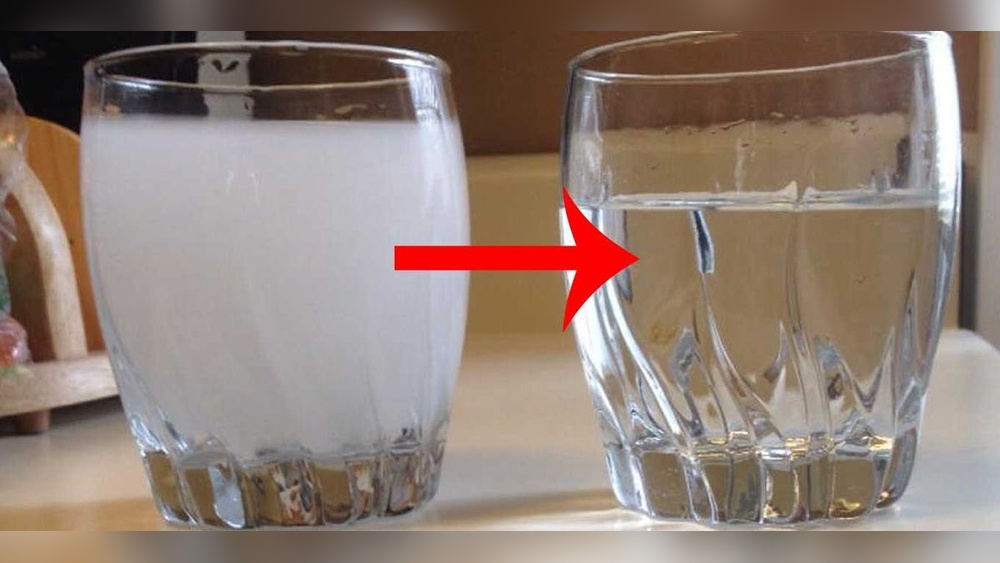
Have you ever turned on your tap and noticed cloudy or milky water coming out? It’s a common issue that can leave you wondering if your water is safe to drink.
You might worry about hidden problems lurking in your pipes or your water supply. But before you panic, there are simple explanations that can put your mind at ease. Understanding why your tap water looks cloudy can help you decide what to do next and ensure your water stays clean and clear.
Keep reading to uncover the surprising reasons behind cloudy tap water and learn how to handle it effectively.

Credit: teamaustin.com
Common Causes Of Cloudy Tap Water
Cloudy tap water is a common issue in many households. It can look strange and cause concern about water safety. Understanding what causes the cloudiness helps you decide if action is needed. Several factors can make your tap water appear cloudy. Below are the most common causes.
Air Bubbles And Aeration
Tiny air bubbles can make water look white or milky. These bubbles form when water is under pressure or during cold weather. As the water sits, bubbles rise and disappear quickly. This type of cloudiness is harmless and clears up on its own.
Mineral Deposits And Sediment
Minerals like calcium and magnesium can build up in water. This often happens in areas with hard water. Sediment from soil or rust can also enter pipes. These particles create cloudy water and may leave a residue. Filtering the water can reduce these deposits.
Pipe Corrosion And Rust
Old or damaged pipes can release rust into the water. Rust particles cause a reddish or brownish cloudiness. Corroded pipes may also let in dirt or other materials. Replacing pipes or using filters can improve water clarity.
Water Temperature Effects
Cold water holds more air than warm water. When cold water heats up, air escapes and forms bubbles. This makes water look cloudy at first. The cloudiness clears as bubbles rise and pop. Temperature changes in pipes often cause this effect.
Municipal Water Supply Issues
Sometimes, the public water system causes cloudy water. Repairs or flushing of water lines can stir up sediment. Water treatment changes might also affect clarity. These problems usually resolve quickly after maintenance ends.

Credit: rapidan.org
How To Identify The Type Of Cloudiness
Cloudy tap water can look different based on the cause. Recognizing the type of cloudiness helps know what might be wrong. Each type shows different signs. This makes it easier to decide what to do next.
White Or Milky Appearance
White or milky water often has tiny air bubbles. These bubbles make the water look foggy. The cloudiness usually clears after a few moments. It happens more when water is cold or under pressure. This type is usually safe to drink.
Brown Or Rusty Tint
Brown or rusty water has a reddish or orange shade. This color comes from iron or rust in the pipes. It can happen after pipe repairs or if pipes are old. This water may taste metallic and can stain clothes or fixtures.
Greenish Or Blue Hues
Greenish or blue colors in water often show copper presence. Copper pipes can release small amounts if water is acidic. This tint may also appear near new plumbing work. Drinking small amounts is usually safe, but avoid long exposure.
Particles And Sediment Presence
Particles or sediment make water look cloudy or dirty. These can be sand, dirt, or rust flakes. Sediment often comes from pipe damage or water source issues. It can settle at the bottom of glasses or kettles. Filtering or flushing pipes helps clear this problem.
Simple Home Tests For Cloudy Water
Cloudy tap water can be worrying. Simple home tests help check the problem fast. These tests do not need special tools. They give clues about water quality. Try these easy steps before calling a plumber or water expert.
Settling Test
Pour cloudy water into a clear glass. Let it sit undisturbed for 30 minutes. Watch closely for particles settling at the bottom. If the cloudiness clears up, it means air bubbles or minerals are present. This is usually harmless. If particles stay floating, the water may contain dirt or sediment.
Boiling Test
Boil a cup of cloudy water for five minutes. Let it cool, then check the water again. If cloudiness disappears, it was caused by air bubbles. Boiling forces air out of the water. If the water stays cloudy, minerals or impurities may cause the problem. Avoid drinking water that stays cloudy after boiling.
Smell And Taste Check
Smell the water carefully. Does it have a strange or chemical odor? Taste a small sip. Does it taste unusual or unpleasant? Strange smells or tastes can signal contamination. If water smells or tastes off, avoid drinking it. Contact your water provider for further testing.
Easy Fixes For Cloudy Water
Cloudy tap water can be frustrating. It often looks unsafe, but many times, the cause is simple. Fixing cloudy water usually does not require a plumber. Small steps can clear your water fast. Here are easy fixes to try at home.
Flushing Your Pipes
Start by flushing your pipes. Open all taps and let water run for several minutes. This helps clear out trapped air or sediments. Air bubbles often cause cloudy water. Flushing removes them and improves water clarity.
Using Water Filters
Water filters remove particles that cause cloudiness. Choose filters designed for tap water. Install a filter on your faucet or use a pitcher filter. Filters improve taste and remove impurities. They are an easy way to get clear, clean water.
Water Softening Solutions
Hard water can cause cloudy taps. Minerals like calcium and magnesium build up inside pipes. Using a water softener reduces these minerals. Softening your water can clear cloudiness and protect plumbing. Consider a softener if you have hard water issues.
Regular Plumbing Maintenance
Routine plumbing checks keep water clear. Sediment and rust buildup inside pipes cause cloudiness. Schedule regular inspections and clean your pipes. Keeping plumbing in good shape prevents cloudy water. Maintenance saves money and improves water quality.
When To Contact A Professional
Cloudy tap water can seem normal at times but may signal bigger issues. Knowing when to contact a professional helps keep your water safe. Some problems need expert checks to avoid damage or health risks. Here are key signs that call for professional help.
Persistent Cloudiness
Cloudy water that does not clear after a few minutes is a concern. This may mean particles or air bubbles stay trapped. Professionals can test your water and pipes. They find the root cause and fix it properly.
Health Concerns
Water that smells bad or tastes strange needs immediate attention. Cloudiness with unusual color or odor may signal contamination. Drinking unsafe water risks illness. A professional can check for harmful bacteria or chemicals.
Complex Plumbing Issues
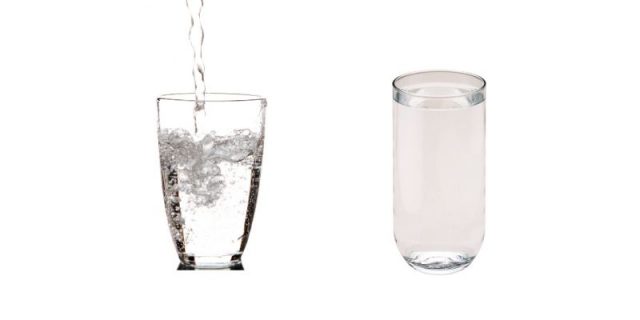
Old or damaged pipes often cause cloudy water. Plumbing problems are hard to fix without experience. Leaks, corrosion, or sediment buildup require expert tools. A plumber ensures pipes work well and water stays clear.
Credit: www.aquacure.co.uk
Frequently Asked Questions
Why Is My Tap Water Cloudy Sometimes?
Cloudy tap water often occurs due to tiny air bubbles. When water is under pressure, air dissolves. Releasing pressure causes bubbles to form, making water look cloudy. This is harmless and clears up after a few seconds.
Can Cloudy Tap Water Be Harmful To Health?
Cloudy tap water is usually safe to drink. It is mostly caused by air or harmless minerals. However, if it has a strange smell or taste, contact your water provider for testing.
How Can I Fix Cloudy Tap Water At Home?
To reduce cloudiness, let the water sit for a few minutes. This allows air bubbles to escape. Installing a water filter can also help remove minerals and impurities causing cloudiness.
Does Cloudy Tap Water Indicate Plumbing Issues?
Sometimes, cloudy water signals plumbing problems like corroded pipes or sediment buildup. If cloudiness persists or worsens, have a professional plumber inspect your pipes for safety and repairs.
Conclusion
Cloudy tap water often comes from air bubbles or minerals. It usually clears after a few minutes. This means your water is safe to drink. Still, check with your local water provider if it stays cloudy. Regular cleaning of pipes helps reduce cloudiness too.
Knowing the cause can ease your worries. Stay informed and keep your water clear. Simple steps protect your health and home. Clear water, clear mind.

Hasan Al Sarker is a Reverse Osmosis Specialist. He has worked for many years to ensure safe drinking water for all. His research paper has been published in several journals, including Issue, Medium, and Slideshare. He is recognized as a water doctor among specialists though he did not attend medical college.
Besides working as a researcher of reverse osmosis technology, he is also very fancy with the kitchen and cooking. His guides are reading thousands of people every day. As a head of content, he is responsible for all the published articles at RO System Reviews.