Understanding your water test results might seem confusing at first, but it doesn’t have to be. When you know how to read these results, you gain control over the quality of water you and your family use every day.
Imagine spotting potential problems early and making smart decisions to keep your water safe and clean. You’ll discover simple steps to decode your water test report, so you can feel confident about what’s in your water and what actions to take next.
Keep reading, and take charge of your water’s health today.
Credit: intheswim.com
Common Water Test Parameters
Understanding common water test parameters helps you read results clearly. These key factors show your water’s quality. They reveal if water is safe and good for daily use. Each parameter has a specific role in water health. Knowing what each means makes testing easier.
Ph Levels
pH shows how acidic or basic water is. The scale goes from 0 to 14. Seven is neutral. Below 7 means acidic. Above 7 means basic or alkaline. Ideal drinking water usually stays between 6.5 and 8.5. Extreme pH can harm pipes and affect taste.
Hardness And Minerals
Hardness measures minerals like calcium and magnesium. These minerals make water “hard.” Hard water can cause scale buildup in pipes and appliances. It may reduce soap’s effectiveness. Soft water has fewer minerals and feels smoother. Knowing hardness helps protect plumbing and skin.
Chlorine Content
Chlorine kills germs in water. It keeps water safe from bacteria. Too much chlorine gives water a strong smell and taste. Low chlorine might not kill all bacteria. Testing helps balance safety and taste. Proper chlorine levels protect your health.
Bacteria And Contaminants
Tests check for harmful bacteria like E. coli. Their presence means water is unsafe to drink. Other contaminants include viruses and parasites. Clean water should have no harmful bacteria. Regular testing prevents illness and ensures safety.
Heavy Metals
Heavy metals include lead, arsenic, and mercury. These metals can harm health even in small amounts. They enter water from old pipes or pollution. Testing detects these dangerous substances. Removing heavy metals keeps water safe for drinking.
Interpreting Test Results
Interpreting water test results can feel confusing at first. Each number and term has a specific meaning. Knowing how to read these results helps you understand water quality better. This understanding ensures safety for drinking, cooking, and other uses.
Safe Range Benchmarks
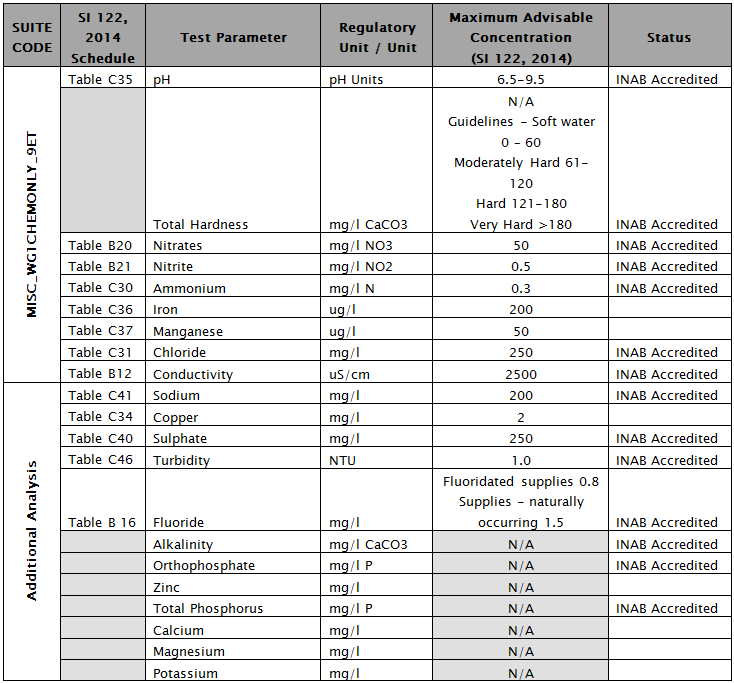
Safe range benchmarks show the ideal limits for water components. These limits vary by substance, such as pH, chlorine, or lead. Checking if your water falls within these ranges tells you if it is safe. Water outside these limits may cause health problems or damage pipes.
Identifying Red Flags
Red flags are test results that need attention. High levels of bacteria, heavy metals, or chemicals are warning signs. Cloudy water or strange odors also indicate issues. Spotting these early helps prevent health risks and costly repairs.
Comparing With Standards
Water quality standards come from health authorities and experts. Comparing your test results with these standards shows compliance. This step confirms if water meets local or national safety rules. Understanding these comparisons guides any needed treatment or action.
Types Of Water Tests
Understanding the types of water tests helps you choose the best method. Each test type offers different ways to check water quality. Some tests are easy and quick. Others provide detailed results but take more time. Knowing these options makes reading water test results simpler and clearer.
Home Test Kits
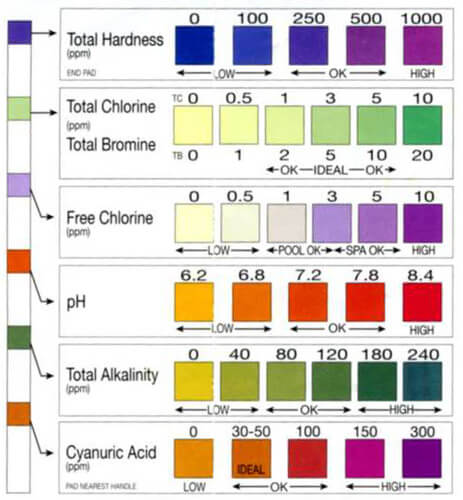
Home test kits are simple tools for quick water checks. They often use strips or drops that change color. You match the color to a chart to see results. These kits test for common issues like pH, chlorine, and hardness. They are affordable and easy to use. Home kits give fast answers but may miss some problems.
Laboratory Analysis
Laboratory analysis offers precise and thorough water testing. You send a water sample to a lab. Experts use advanced tools to find many contaminants. Labs test for bacteria, heavy metals, chemicals, and more. Results come with detailed reports and explanations. This method is best for complete and accurate water quality data.
Digital Testing Devices
Digital testing devices provide fast and accurate water readings. These devices measure pH, temperature, and other factors electronically. They show results on a screen instantly. Some devices connect to smartphones for easy tracking. Digital testers are reusable and reduce guesswork. They offer a good balance between speed and detail.

Credit: www.home-barista.com
Common Water Issues And Solutions
Water test results often reveal common problems. These issues affect taste, safety, and appliance life. Understanding these problems helps choose the right solution. Here are some typical water issues and how to fix them.
Hard Water Treatment
Hard water contains high minerals like calcium and magnesium. These minerals cause scale buildup in pipes and appliances. Water feels rough on skin and hair. Installing a water softener helps. It swaps hard minerals with sodium or potassium. This prevents scale and makes water gentle.
Removing Chlorine
Chlorine is added to kill bacteria in water. It causes a strong smell and taste. Chlorine can irritate skin and eyes. A carbon filter removes chlorine effectively. It improves water taste and safety. Regular filter replacement keeps chlorine levels low.
Addressing Contamination
Contamination includes bacteria, chemicals, or heavy metals. These make water unsafe to drink. Use UV purifiers to kill bacteria. Activated carbon filters reduce chemicals and metals. Testing water regularly ensures contamination is controlled. Clean water protects health and home.
Tips For Accurate Testing
Accurate water testing starts with careful preparation. Small mistakes can lead to wrong results. Following clear steps helps ensure your test shows the true water quality. These tips focus on making your testing simple and reliable.
Sample Collection Best Practices
Use a clean container for collecting water samples. Avoid touching the inside of the container or lid. Take water from a flowing source, not a standing pool. Fill the container fully but leave a little space for shaking. Label the sample with the date and location for tracking.
Timing And Frequency
Test water at the same time each day for consistent results. Avoid testing after rain or heavy use to prevent skewed data. Check water quality regularly, at least once a month. More frequent checks help spot problems early. Keep a log of all test dates and results for reference.
Reading Labels And Instructions
Read the test kit instructions carefully before starting. Follow each step exactly as described for best results. Check expiration dates on testing strips or chemicals. Use the color chart provided to compare results in good light. Store test kits in a cool, dry place to maintain accuracy.
Credit: www.alswatertesting.ie
Frequently Asked Questions
What Do Water Test Results Indicate About Safety?
Water test results reveal the presence of contaminants and their levels. They help determine if water is safe for drinking and usage. Understanding these results ensures compliance with health standards and protects against waterborne illnesses.
How To Interpret Ph Levels In Water Test Reports?
PH levels show water’s acidity or alkalinity on a scale of 0 to 14. A pH between 6. 5 and 8. 5 is generally safe. Values outside this range may indicate water quality issues affecting taste and plumbing.
Why Are Contaminants Like Lead Important In Water Tests?
Lead is a toxic metal harmful even at low levels. Testing detects lead contamination to prevent health risks like brain damage. Identifying lead helps in taking corrective actions to ensure safe drinking water.
How To Read Hardness Levels In Water Test Results?
Water hardness measures calcium and magnesium content. Hard water causes scaling and reduces soap effectiveness. Understanding hardness helps in selecting water softening treatments and maintaining household appliances.
Conclusion
Reading water test results can seem hard at first. Take it step by step. Focus on the key numbers and what they mean for your water. This helps you keep your water safe and clean. Always compare your results with standard guidelines.
Test regularly to catch any changes early. Clear water means better health for you and your family. Stay informed and act on your results. Simple checks can prevent big problems later. Understanding your water quality gives you peace of mind.

Hasan Al Sarker is a Reverse Osmosis Specialist. He has worked for many years to ensure safe drinking water for all. His research paper has been published in several journals, including Issue, Medium, and Slideshare. He is recognized as a water doctor among specialists though he did not attend medical college.
Besides working as a researcher of reverse osmosis technology, he is also very fancy with the kitchen and cooking. His guides are reading thousands of people every day. As a head of content, he is responsible for all the published articles at RO System Reviews.