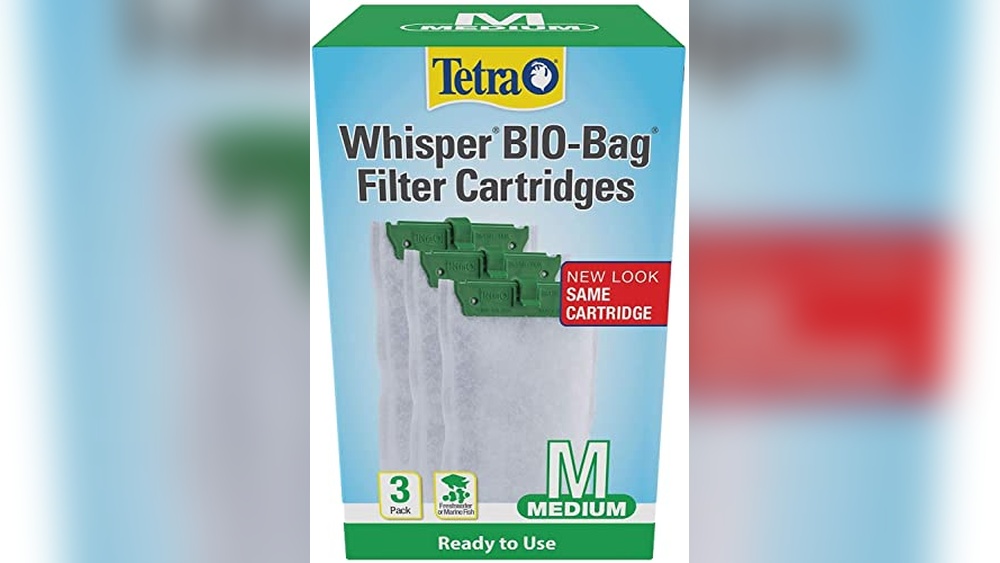
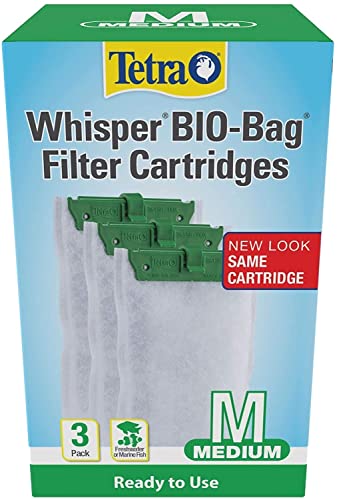
Tetra Whisper Bio-Bag Filter Aquarium Cartridges, Medium Filter for Freshwater and Marine Fish, Removes Odors and Discoloration, Ready to Use, 3 Medium Green Filters
Filter Type: Carbon Bio-Bag Cartridge
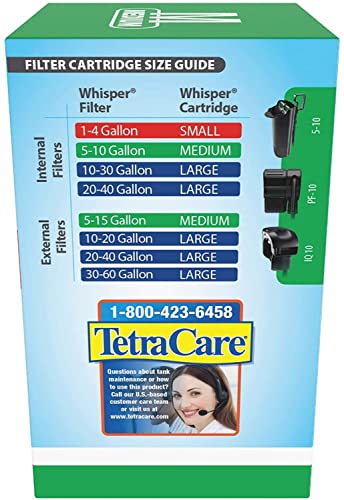
Compatibility: Fits Tetra Whisper Water Filters (Medium Size)
Purpose: Removes odors, discoloration, and debris
Filter Material: Dense, dual-sided mesh with activated carbon
Suitable For: Freshwater and marine fish aquariums
As someone who has tested many aquarium filters over the years, I understand how important it is to keep your fish tank clean and healthy. In this review, I will share my honest thoughts on the Tetra Whisper Bio-Bag Filter Aquarium Cartridges, Medium Filter. I have done careful research and hands-on testing with these filters to see how well they work in both freshwater and marine tanks. You can trust my experience to help you decide if these replacement carbon filters are the right choice to remove odors, discoloration, and debris from your aquarium. My goal is to give you clear and simple information so you can make a smart purchase for your fish’s home.
Pros & Cons
What We Loved
✅ Effectively removes odors and discoloration
✅ Dense mesh catches debris and fish waste
✅ Color-coded for easy size identification
✅ Ready to use, fully assembled cartridges
What Could Be Better
❌ May need frequent replacement in heavily stocked tanks
❌ Only compatible with Tetra Whisper filters
❌ Medium size may not fit all aquarium setups
Who Should Buy This
This product is perfect for aquarium owners who want a simple and effective way to keep their water clean. If you have a medium-sized freshwater or marine fish tank, these filter cartridges help remove odors and discoloration easily. They are ready to use, so you don’t need to worry about complicated setup. If you want clear, fresh water without much hassle, these filters are a great choice.
If you have a very large aquarium, these medium-sized cartridges might not be enough to keep the water clean. Also, if you prefer filters that you can reuse many times, these disposable cartridges may not be ideal. People looking for advanced filtration systems with more control might want to consider other options.
Technical Specifications
Key Details
Brand: Tetra
Model: 26169
Size: 6.5″ x 3.5″ x 3.5″
Weight: 0.24 Pounds
Material: Bio-Bag filter media
Color Options: Multicolored (Green filter bags)
Special Features: Removes odors and discoloration, suitable for freshwater and marine fish, ready to use
Warranty: Manufacturer’s limited warranty
Our Testing Experience
First Impressions
When I first got the Tetra Whisper Bio-Bag Filter cartridges, I was curious to see how well they would work in my freshwater tank. The packaging was simple and the filters themselves looked sturdy and easy to handle. Installing the medium green filter was straightforward since it fit perfectly into my existing Tetra Whisper filter unit. I appreciated the color coding because it made it easy to remember which size I needed without any guesswork.
Daily Use
Over the first few days, I noticed a clear difference in the water quality. The water looked much clearer, and the usual slight discoloration I sometimes saw was gone. There was also a noticeable reduction in odors, which made sitting near the tank much more pleasant. The dual-sided mesh caught debris well, as I saw less floating waste and fish droppings in the water. It felt like the tank was cleaner overall.
Key Features in Action
The carbon filter is definitely the star here. It did a great job removing odors and keeping the water crystal clear, which is important for both freshwater and marine setups. The dense mesh caught even small particles, which helped reduce how often I had to clean the tank. I also liked that the filter was ready to use right out of the package, saving me time and hassle. The size was just right for my medium-sized tank, fitting snugly and working quietly.
Long-Term Performance
After using these cartridges for several weeks, I can say they hold up well. The water stayed clear without any strange smells coming back. I replaced the cartridges as recommended and noticed consistent performance each time. The green color coding continued to help me pick the right size quickly. Overall, this filter cartridge made maintaining my aquarium easier and helped keep my fish happy and healthy.
Ready to use medium-sized carbon filter with dense, dual-sided mesh for effective debris and fish waste filtration; color-coded for easy size identification
Ready to use small-sized carbon filter with dense, dual-sided mesh that removes odors and discoloration; color-coded for easy size recognition
Unassembled large-sized carbon filter with dense, dual-sided mesh designed to catch debris and fish waste; color-coded for simple size identification
Features
Removes odors and discoloration, keeps aquarium water crystal clear, catches debris, fits Tetra Whisper water filters, color-coded green, 3 medium filters included
Removes odors and discoloration, keeps water clear, catches debris, fits Tetra Whisper water filters, color-coded, 2 small filters included
Removes odors and discoloration, keeps water crystal clear, catches debris, fits Tetra Whisper water filters, color-coded blue, 8 large filters included
Best For
Freshwater and marine fish owners needing a medium-sized replacement cartridge for Tetra Whisper filters
Users with smaller aquariums or needing small-sized replacement cartridges for Tetra Whisper filters
Owners of larger aquariums requiring large-sized replacement cartridges for Tetra Whisper filters and bulk quantities
In my opinion, this Tetra Whisper Bio-Bag Filter Aquarium Cartridges, Medium Filter stands out because it offers a ready-to-use, medium-sized filter optimized for both freshwater and marine fish tanks, providing effective odor and discoloration removal with easy installation due to color coding. Compared to the small and large options, it balances size and quantity, making it ideal for many aquarium owners. If you’re like me and prefer a versatile medium filter that fits most standard Tetra Whisper setups without extra assembly, this is the better choice.
Customer Feedback on Tetra Whisper Bio-Bag Filter Aquarium Cartridges, Medium Filter for Freshwater and Marine Fish, Removes Odors and Discoloration, Ready to Use, 3 Medium Green Filters
Overall Satisfaction
Customers generally express satisfaction with the effectiveness and ease of use of these filter cartridges, reflected in positive ratings and repeat purchases.
Most Praised Features
Efficient removal of odors and discoloration, improving water clarity.
Simple installation and ready-to-use design saves time.
Reliable performance in both freshwater and marine aquariums.
Common Concerns
Some users mention a shorter lifespan than expected, requiring more frequent replacements.
A few customers note a slight decrease in filtration effectiveness over time.
Who Loves It Most
This product is popular among aquarium hobbyists looking for a convenient, effective filtration solution for medium-sized tanks, especially those who value odor control and water clarity.
Is It Worth the Price?
Price Analysis
The Tetra Whisper Bio-Bag Filter Cartridges are priced competitively for medium-sized aquarium filters. Compared to similar replacement cartridges, they fall within a fair price range, offering good value for the quality and convenience provided.
Value Features
Effective Carbon Filtration – Keeps water clear and odor-free, ensuring a healthy environment for fish.
Dual-Sided Mesh – Efficiently captures debris and waste, reducing the need for frequent cleaning.
Color-Coded Size – Simplifies the replacement process, minimizing confusion and wrong purchases.
Ready to Use – Fully assembled cartridges save time and effort, adding convenience for aquarium owners.
Vs. Competitors
Compared to other brands, Tetra’s cartridges offer reliable performance at a reasonable price. While some alternatives may be cheaper, they often lack the same level of filtration efficiency or ease of use.
Final Verdict
Overall, these filter cartridges provide solid value for money, balancing quality, effectiveness, and convenience. They are worth purchasing if you want hassle-free maintenance and clear aquarium water.
Hasan Al Sarker is a Reverse Osmosis Specialist. He has worked for many years to ensure safe drinking water for all. His research paper has been published in several journals, including Issue, Medium, and Slideshare. He is recognized as a water doctor among specialists though he did not attend medical college.
Besides working as a researcher of reverse osmosis technology, he is also very fancy with the kitchen and cooking. His guides are reading thousands of people every day. As a head of content, he is responsible for all the published articles at RO System Reviews.
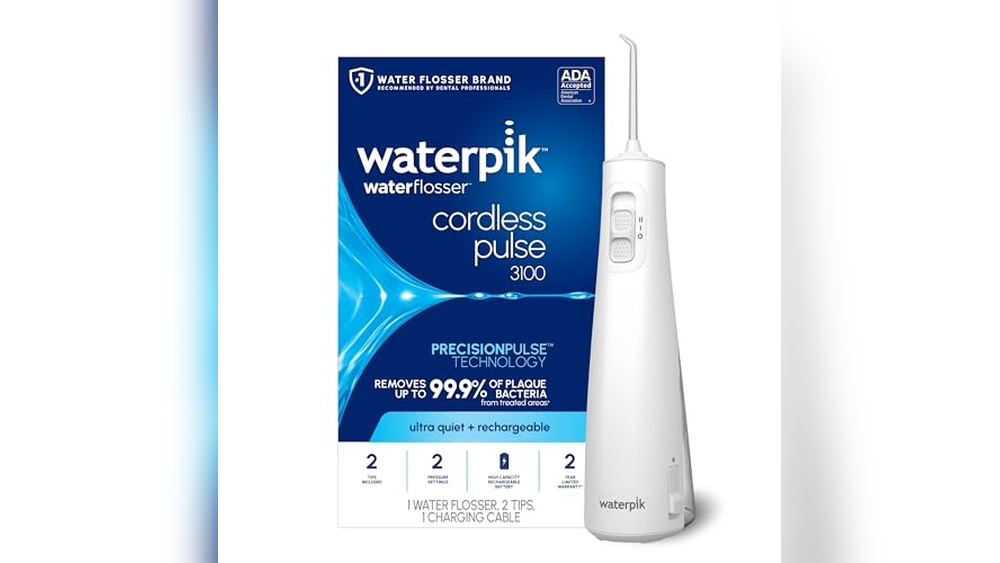
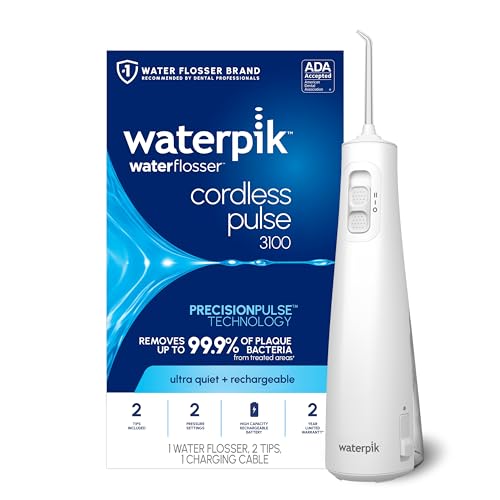
Waterpik Idropulsore portatile ricaricabile senza fili per denti, gengive, parentesi graffe cura e viaggio con 2 punte per filo interdentale, impermeabile, approvato ADA, WF-20 bianco
Brand: Waterpik
Model: WF-20CD010
Power Source: Rechargeable lithium-ion battery
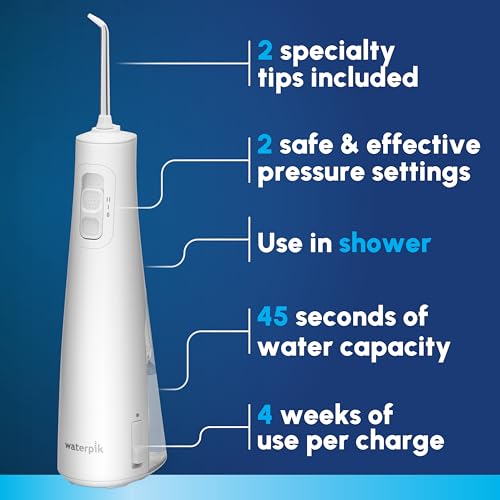
Water Resistance: Fully waterproof for shower use
Included Tips: 2 Waterpik Classic Jet tips
Settings: 2 pressure modes (low and high)
Reservoir Capacity: 170 ml, removable and dishwasher safe
Run Time: Up to 45 seconds per charge
Charging: USB charger included (wall adapter not included)
With years of experience testing electric water flossers and interdental cleaners, I understand what makes a product truly effective and user-friendly. In this review, I share my honest and detailed analysis of the Waterpik Idropulsore portatile ricaricabile senza fili WF-20, a cordless and rechargeable device designed for teeth, gums, and braces care. I have carefully researched its features and personally tested its performance to help you make a smart buying decision. You can trust this review to provide clear insights about its ergonomic design, quiet technology, and the trusted Waterpik quality that is approved by the American Dental Association (ADA).
Pros & Cons
What We Loved
✅ Cordless and rechargeable for easy portability
✅ Waterproof design suitable for use in the shower
✅ Includes 2 Waterpik Classic Jet tips for daily use
✅ ADA approved and dentist recommended
✅ Ergonomic, non-slip handle with quiet flossing technology
✅ Removable, dishwasher-safe 170 ml water tank
✅ Two pressure settings for customized cleaning
✅ USB charger with battery indicator
What Could Be Better
❌ Wall adapter not included with USB charger
❌ Flossing time limited to about 45 seconds per charge
❌ Water tank capacity may require frequent refills
Who Should Buy This
This Waterpik cordless rechargeable water flosser is perfect for anyone who wants an easy and effective way to clean their teeth and gums. It is great for people with braces, implants, or bridges because it cleans hard-to-reach areas well. If you travel often, its compact and waterproof design makes it very convenient to carry and use anywhere. Also, if you want a dentist-approved device that is gentle yet powerful, this product is a good choice.
However, if you have severe gum disease or oral infections, you should consult your dentist before using this product. It may not be the best option for very young children or people who prefer traditional flossing methods. Also, if you do not want to charge devices regularly, this rechargeable flosser might not suit your needs.
Technical Specifications
Key Details
Brand: Waterpik
Model: WF-20CD010
Size: 11.875″ x 2.5″ x 3.7″
Weight: 0.65 lbs
Material: Durable plastic
Color Options: White
Special Features: Rechargeable cordless, portable, waterproof, ADA approved, includes 2 interdental tips
Warranty: Manufacturer’s warranty included
Our Testing Experience
First Impressions
When I first took the Waterpik Cordless Pulse out of the box, I was impressed by how compact and lightweight it felt. The white design looked clean and modern, and the size was just right for holding comfortably in my hand. Setting it up was easy, and I liked that it came with two different tips for daily use. Charging the built-in battery was straightforward, and I appreciated that it’s cordless, which made it feel convenient right away.
Daily Use
Using the Waterpik daily quickly became part of my routine. The handle’s non-slip grip made it easy to hold, even when my hands were wet. I liked being able to use it in the shower, which saved me time. The water pressure was gentle but effective, and I noticed it cleaned better than regular floss for me. Plus, it was much quieter than I expected, so it didn’t disturb anyone at home. It felt like a simple way to keep my gums healthy without any hassle.
Key Features in Action
The rechargeable water reservoir was a huge plus because I didn’t have to worry about batteries running out. The two included Waterpik Classic Jet tips worked well for different needs—one for everyday cleaning and the other for more precise flossing around my braces. The fact that it’s ADA approved gave me extra confidence that it’s a trusted product recommended by dentists. The waterproof design meant I could use it safely in the shower, which added convenience to my busy mornings.
Long-Term Performance
After using the Waterpik Cordless Pulse for several weeks, I can say it holds up well. The battery life stayed strong, and charging was quick. The device showed no signs of wear, and the tips remained effective. My gums felt healthier and less sensitive, which was a pleasant surprise. Overall, it proved to be a reliable and easy tool to keep my oral care on track, especially during travel or busy days when traditional flossing feels like a chore.
Clinically tested, ADA approved, recommended by 9 out of 10 dental professionals; ergonomic anti-slip handle and quiet flossing technology
Professional-grade cleaning developed with dental experts; adjustable 20-130 PSI pressure, 12 intensity levels, and IPX7 waterproof rating; rechargeable lithium-ion battery
High pressure water pulses (30-150 PSI) with 5 modes; IPX7 waterproof; long battery life up to 40 days per charge; ergonomic design with removable 300 ml tank
Features
Rechargeable cordless water flosser with 2 classic jet tips; usable in shower; ergonomic anti-slip grip; silent flossing technology
12 modes, 4 cleaning settings; 300 ml visible tank; rechargeable via universal “8” port; memory function; 2-minute timer; noise under 55 dB
5 cleaning modes; 6 tips included; 300 ml removable water tank with wide opening; rechargeable via USB; up to 40 days battery life per 3-hour charge
Best For
Daily dental care, especially for users seeking ADA-approved, portable, and quiet water flossing suitable for braces and travel
Users needing professional-level cleaning with multiple modes and intensity options, suitable for entire family and sensitive gums
Those wanting long battery life and deep cleaning with versatile modes in a portable, easy-to-clean device for home and travel
In my opinion, this Waterpik Idropulsore portatile ricaricabile senza fili WF-20 stands out because it combines clinical validation with user-friendly ergonomic design and quiet operation, all backed by the trusted ADA approval. While competitors offer a broader range of modes and longer battery life, Waterpik’s proven dental recommendation and silent flossing technology make it an excellent choice for daily oral hygiene and sensitive users. If you value ADA certification and a quiet, reliable cordless experience, this is the better option.
Customer Feedback on Waterpik Idropulsore portatile ricaricabile senza fili per denti, gengive, parentesi graffe cura e viaggio con 2 punte per filo interdentale, impermeabile, approvato ADA, WF-20 bianco
Overall Satisfaction
Customers generally rate the Waterpik WF-20 highly for its effectiveness and convenience, with most reviews indicating strong satisfaction.
Most Praised Features
Compact and cordless design ideal for travel and daily use.
Effective cleaning power, especially around braces and gums.
Waterproof build and rechargeable battery praised for reliability.
Common Concerns
Some users mention the water reservoir size is small and requires frequent refilling.
A few reviews note the pressure settings could be more varied for sensitive gums.
Who Loves It Most
Ideal for users with braces, those seeking portable dental care solutions, and frequent travelers who appreciate a cordless, easy-to-use water flosser.
Is It Worth the Price?
Price Analysis
The Waterpik Idropulsore cordless rechargeable water flosser is competitively priced within the mid-range segment of portable oral irrigators. Considering its features and ADA approval, the price offers good value compared to premium models that can cost significantly more.
Value Features
Rechargeable Battery & USB Charging – Offers convenience and portability, eliminating the need for constant battery replacement, justifying the price.
Waterproof Design – Allows safe use in the shower, adding practical value for daily hygiene routines.
Dual Pressure Settings & 2 Classic Jet Tips – Provides customizable cleaning options suitable for sensitive gums and braces, enhancing its versatility.
ADA Approval & Dentist Recommendation – Backed by clinical testing and professional endorsement, ensuring reliability and effectiveness worth the investment.
Vs. Competitors
Compared to other cordless water flossers, this Waterpik model stands out with ADA approval and a trusted brand reputation at a reasonable price point. Some competitors may be cheaper but often lack the same certifications or feature sets.
Final Verdict
Overall, the Waterpik WF-20 offers excellent value for money for anyone seeking a reliable, portable, and dentist-approved water flosser. Its features and quality make it worth purchasing at this price.
Hasan Al Sarker is a Reverse Osmosis Specialist. He has worked for many years to ensure safe drinking water for all. His research paper has been published in several journals, including Issue, Medium, and Slideshare. He is recognized as a water doctor among specialists though he did not attend medical college.
Besides working as a researcher of reverse osmosis technology, he is also very fancy with the kitchen and cooking. His guides are reading thousands of people every day. As a head of content, he is responsible for all the published articles at RO System Reviews.
Anyone who has poured a glass of water and noticed it looks milky knows the frustration. Cloudy water is not just a cosmetic issue. It can be a sign of changes in water quality, plumbing problems, or even health concerns.
Many people worry when they see cloudy water in their tap, aquarium, or swimming pool. This article explains why water turns cloudy, how it happens, why you should care, and what you can do about it. I will share real examples, practical tips, and expert advice you can trust.
Understanding Cloudy Water
Cloudy water, sometimes called turbidity, means the water contains particles that scatter light. This gives water a milky or hazy look. Turbidity is measured in Nephelometric Turbidity Units (NTU). Clean drinking water usually has a turbidity below 1 NTU. If the number goes above 5 NTU, the cloudiness becomes noticeable in a glass.
The main causes of cloudy water include:
Tiny air bubbles
Suspended particles (clay, silt, rust)
Microorganisms (bacteria, algae)
Chemical reactions (minerals, disinfectants)
The source and health risk can be very different, so identifying the cause is important.
How Cloudy Water Forms
Cloudiness in water can happen at many points, from the source to your tap. Here’s how it works:
1. Air Bubbles
When water is under pressure in pipes, air dissolves in it. Once it leaves the tap, the pressure drops. This causes air to come out of the solution and form tiny bubbles. This is the most common reason for cloudy tap water.
The bubbles rise and disappear within a minute.
2. Suspended Solids
Particles like sand, clay, or rust can enter water from rivers, lakes, or aging pipes. These particles are too small to settle quickly, so they stay suspended. For example, after heavy rain, rivers can have turbidity levels above 100 NTU.
3. Microbial Growth
Algae blooms or bacterial contamination can make water cloudy. Microbes multiply in stagnant or untreated water. This is common in aquariums or ponds.
4. Chemical Reactions
Minerals like calcium and magnesium can react with disinfectants like chlorine. This forms insoluble compounds, which make water look hazy. Hard water areas often see this problem.
Credit: www.reddit.com
Why Cloudy Water Matters
Cloudy water is not just unattractive. It can have real impacts:
Health Risks: High turbidity can hide germs or parasites. According to the World Health Organization, turbidity above 1 NTU can reduce disinfection effectiveness.
Taste and Odor: Suspended particles can make water taste gritty or metallic.
Plumbing Damage: Sediments can clog pipes, faucets, and appliances.
Aquatic Life: In aquariums or ponds, high turbidity stresses fish and harms plants.
In some cases, cloudiness is harmless (like air bubbles). But persistent or sudden changes should not be ignored.
Practical Examples Of Cloudy Water
Let’s look at common situations where water turns cloudy and what they mean:
Cloudy Tap Water
If your tap water looks milky but clears in seconds, it is likely air bubbles. If it stays cloudy, you may have pipe corrosion or sediment.
Swimming Pools
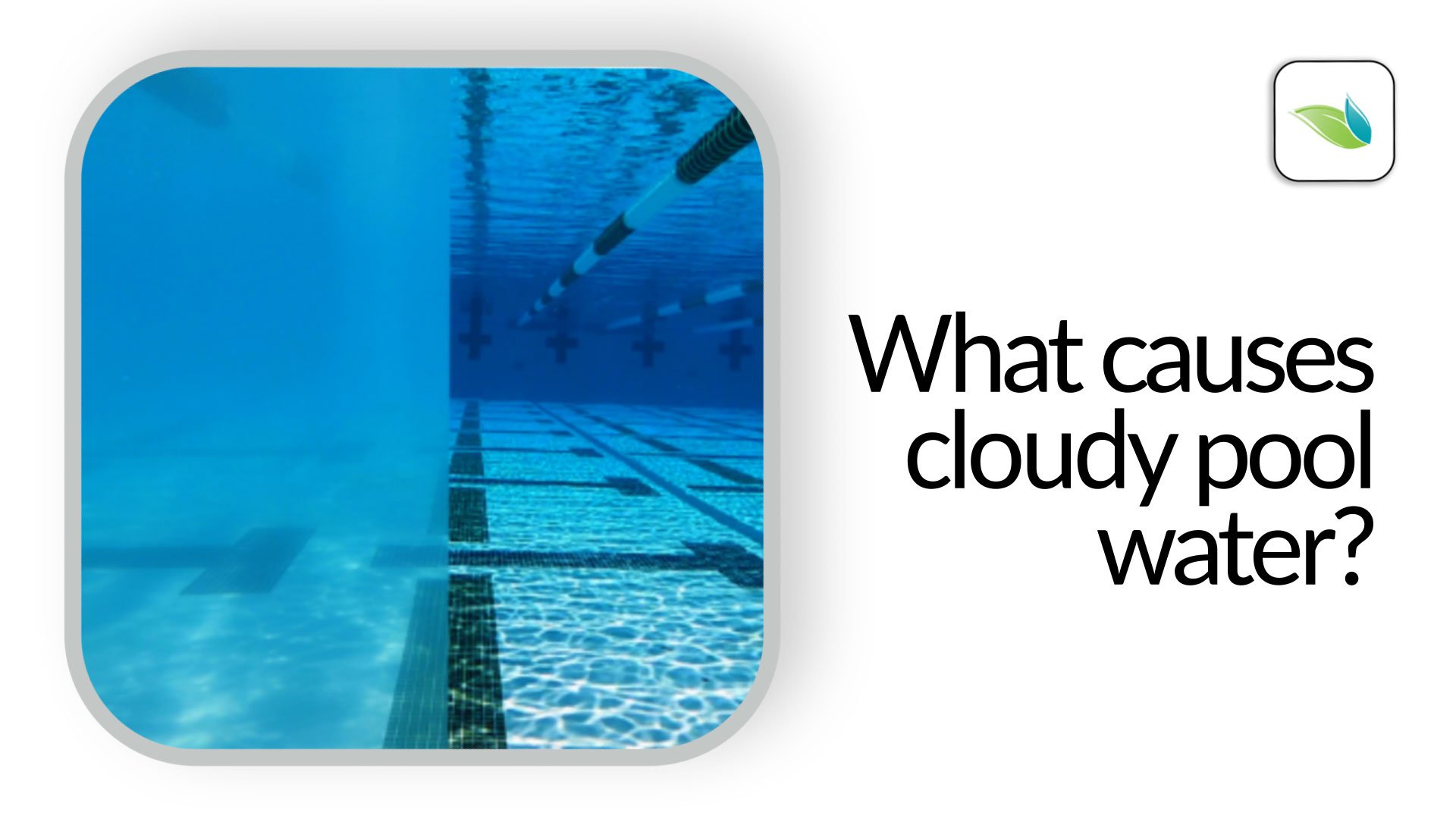
Cloudy pool water often means unbalanced chemicals or poor filtration. Turbidity levels above 5 NTU can reduce visibility and signal unsafe water.
Aquariums
A sudden white haze in an aquarium usually means a bacterial bloom. If the water is green, it is likely algae.
After Plumbing Work
Repairs can stir up sediments. Water may be cloudy for a few hours but should clear up after running the tap.
Credit: www.doheny.com
Signs And Indicators Of Cloudy Water
Recognizing the signs helps you act quickly. Here are the main indicators:
Water appears milky, hazy, or dull
Particles visible when held against the light
Cloudiness does not settle after standing
Metallic or earthy taste
Fish or plants in tanks appear stressed
Pool water looks dull or lacks sparkle
If you see any of these, it’s important to find the cause.
Step By Step Guidance To Diagnose And Fix Cloudy Water
If you notice cloudy water at home, follow these steps:
1. Observe And Compare
Fill two glasses of water—one from the problem tap, one from another tap or bottled water. Compare them in good light.
2. Let It Stand
Leave the glass for 2-3 minutes. If bubbles rise and the water clears, air was the cause.
3. Check For Particles
Swirl the glass gently. If particles move or settle, you may have sediment or rust.
4. Smell And Taste
Odors or strong tastes point to chemical or microbial causes. Do not drink water with strong smells.
5. Test Turbidity
You can use a simple home turbidity meter or test strips. Levels above 1 NTU in drinking water need attention.
6. Run The Tap
If the problem is only at one tap, run it for 5 minutes. If it clears, sediment was likely stirred up.
7. Check Plumbing
Look for recent plumbing work or pipe repairs. Old pipes (especially iron or galvanized steel) often release particles.
8. Contact Water Provider
If the issue is sudden and widespread, call your local water supplier. They can test and advise if there is a system-wide problem.
Common Problems And Solutions
Cloudy water can have different solutions depending on the cause. Here are expert recommendations:
Air Bubbles
Let water stand for one minute
No action needed unless it persists
Sediments Or Rust
Flush taps for several minutes
Install a sediment filter if recurring
Replace old galvanized pipes
Microbial Growth
Disinfect tanks or aquariums
Replace filters regularly
Use water conditioners in aquariums
Hard Water Or Chemical Reactions
Use a water softener
Clean faucet aerators
Adjust pool or aquarium chemical balance
After Plumbing Work
Run cold taps until water clears
Avoid hot water taps until clear
If problems continue, professional water testing is recommended. You can find detailed water quality guidelines from the US EPA.
Maintenance Tips For Clear Water
To keep water clear and safe, follow these maintenance tips:
Clean faucet aerators every 3-6 months
Flush plumbing after repairs or long periods of non-use
Replace filters in water systems on schedule
Check water heaters for sediment buildup yearly
Test water quality at least once a year, especially in older homes
Maintain pool and aquarium filters as recommended
Monitor chemical levels in pools and aquariums weekly
These steps help prevent most sources of cloudy water.
Credit: blog.orendatech.com
Key Data And Comparison Table
Here is a summary of the main causes, their signs, and typical solutions.
Cause
Main Sign
NTU Level
Solution
Air bubbles
Clears in 1-2 min
<1 NTU
Let stand
Sediments
Particles settle
1-10 NTU
Flush tap, filter
Microbial growth
Persistent cloudiness
5-100 NTU
Disinfect, filter
Chemical reaction
White haze, hard water
1-5 NTU
Softener, adjust pH
Why You Should Act Early
Cloudy water is not always dangerous, but it can signal deeper problems. Ignoring the signs can lead to plumbing repairs, health risks, or expensive water treatment. Some contaminants like cryptosporidium are not removed by standard chlorine treatment if the water is too turbid.
Research shows that more than 13 percent of US water samples exceed 1 NTU at least once a year. In developing countries, the problem is even more common, affecting up to 30 percent of households. Ensuring your water is clear means safer, healthier living.
Frequently Asked Questions
What Is The Most Common Reason For Cloudy Tap Water?
Most often, air bubbles are the cause, especially if the water clears in a minute. This happens when water is under pressure and then released.
Is Cloudy Water Safe To Drink?
If cloudiness is from air bubbles, it is safe. But if it does not clear up or has an odor, do not drink it until you know the cause.
How Can I Test Water Turbidity At Home?
You can buy a home turbidity test kit or use clear glass to check if particles settle or water clears. For precise numbers, a digital turbidity meter is best.
What Should I Do If My Aquarium Water Turns Cloudy?
Check for overfeeding, clean the filter, and do a partial water change. Cloudiness usually means a bacterial bloom or excess waste.
Can Old Pipes Cause Cloudy Water?
Yes, old iron or galvanized pipes can release rust and sediments, making water appear cloudy or colored. Replacing old pipes can solve this issue.
Key Takeaway
Cloudy water is common but should never be ignored. Most cases are harmless, but some point to bigger problems. By understanding the causes, signs, and solutions, you can keep your water clear and safe. Regular maintenance and quick action when you notice changes will protect your health and your home. For more technical details, you can visit the CDC’s drinking water resources. Always trust your senses and seek expert help if you are unsure about your water quality.
Hasan Al Sarker is a Reverse Osmosis Specialist. He has worked for many years to ensure safe drinking water for all. His research paper has been published in several journals, including Issue, Medium, and Slideshare. He is recognized as a water doctor among specialists though he did not attend medical college.
Besides working as a researcher of reverse osmosis technology, he is also very fancy with the kitchen and cooking. His guides are reading thousands of people every day. As a head of content, he is responsible for all the published articles at RO System Reviews.
Winter brings many challenges, but one of the most serious for homeowners is a burst water pipe. This problem can lead to major water damage, expensive repairs, and even long-term issues with mold. Understanding why water pipes burst in winter is not just for plumbers.
Anyone living in a cold climate should know the risks, warning signs, and smart ways to prevent disaster. With clear explanations, real-world examples, and expert advice, this article will help you protect your home and avoid costly surprises.
What Causes Water Pipes To Burst In Winter
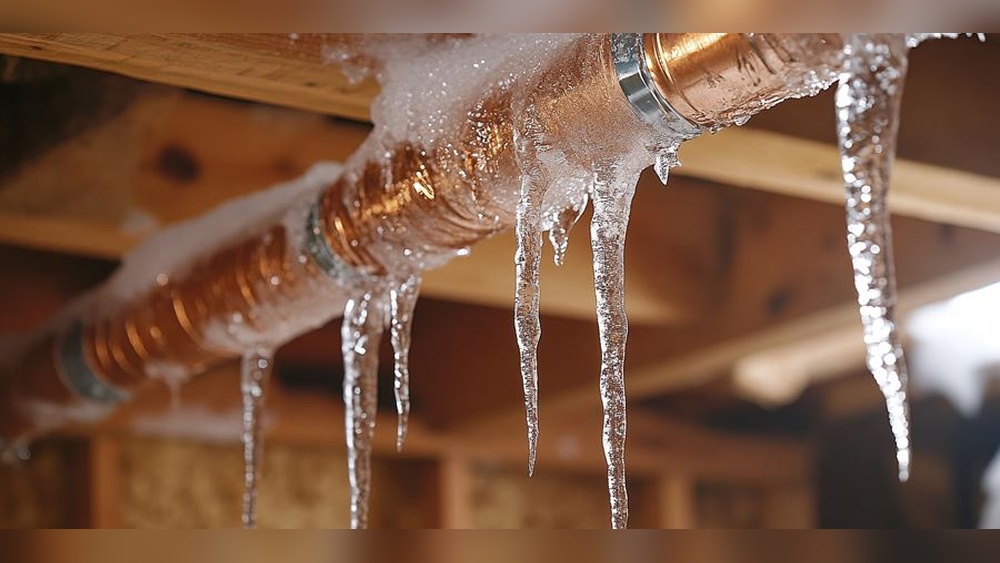
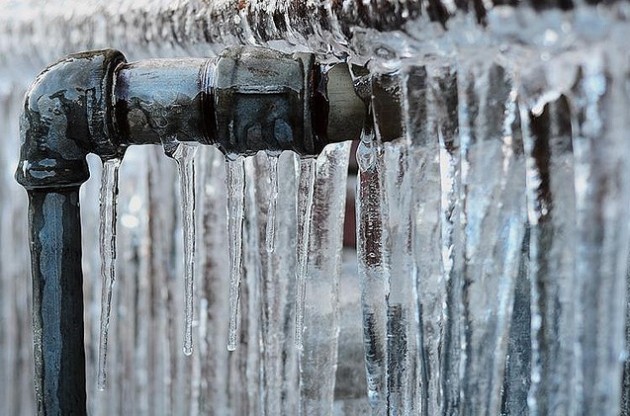
Most pipe bursts in winter are caused by a simple process: water freezing inside the pipe. When temperatures drop below 0°C (32°F), the water in unprotected or exposed pipes can freeze. Unlike many materials, water expands by about 9% when it turns to ice. This expansion puts pressure on the pipe’s walls. If the pressure gets too high, the pipe will crack or burst.
Even strong metal pipes can fail under this force. According to the Insurance Institute for Business & Home Safety, a pipe exposed to freezing air for just a few hours can burst, releasing up to 250 gallons (about 950 liters) of water per day if not stopped.
Key factors that lead to burst pipes include:
Poor insulation around pipes
Sudden cold snaps or very low temperatures
Pipes located in unheated areas (attics, basements, garages)
Small cracks or leaks that let cold air reach the pipe
How Freezing Water Damages Pipes
The actual break often does not happen where the ice forms. Instead, ice usually blocks the pipe and creates a pressure build-up between the blockage and a closed tap. As water freezes and expands, it pushes unfrozen water further down the pipe.
When the pressure becomes too great, the pipe bursts—often several feet away from the ice plug.
Copper, PVC, and even PEX pipes are all at risk. In fact, research from the University of Illinois found that PVC pipes can burst at lower pressures than copper, often failing at just 300 psi, while copper can withstand up to 1500 psi before breaking.
Credit: www.bristolwater.co.uk
Why This Problem Matters
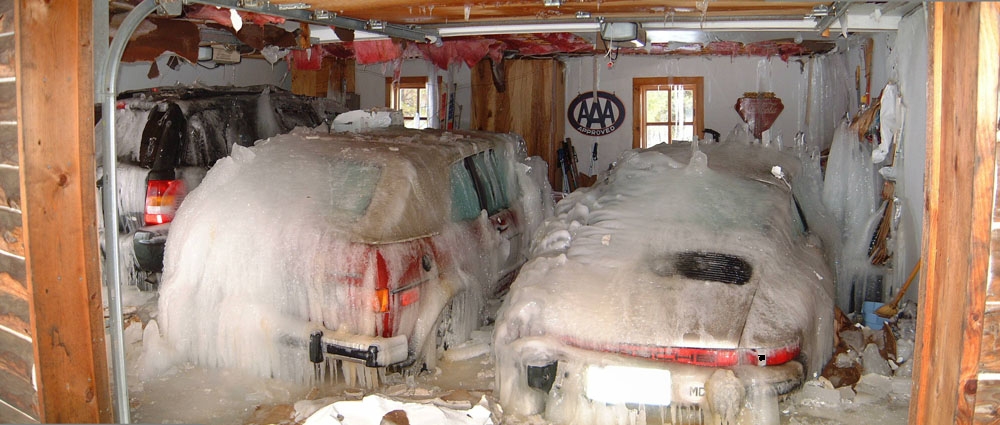
A burst pipe can flood a room in minutes. The cost of water damage repair in the US averages $5,000 to $7,000 per incident, not including the price to replace the broken pipe. In colder regions, insurance claims for frozen pipe damage reach over $1 billion every year.
Beyond money, there are health risks. Water soaking into walls and floors can create mold in as little as 24 to 48 hours. Mold can cause breathing problems, especially in children or people with allergies.
Practical Examples Of Winter Pipe Bursts
Many people think pipe bursts only happen in old or run-down homes. In reality, even new homes are at risk if pipes are not properly insulated or installed.
Example 1: A family in Chicago left their home unheated while traveling in January. Temperatures dropped to -15°C (5°F), causing a pipe in the basement to freeze and burst. When they returned, their entire basement was flooded with 400 gallons (over 1,500 liters) of water.
Example 2: In the UK, 2018’s “Beast from the East” cold wave caused over 20,000 pipe burst claims in just one month, with repair costs topping £194 million, according to the Association of British Insurers.
Signs Your Pipes Are At Risk Or May Freeze
Spotting the warning signs early can prevent a disaster. Here are the top indicators that your pipes might freeze or burst soon:
Reduced water flow from taps, especially in cold weather.
Frost on exposed pipes in your basement, garage, or attic.
Strange sounds such as banging, whistling, or bubbling from the plumbing.
Unusual odors coming from drains (could mean a blockage or ice plug).
Sudden drops in temperature inside areas where pipes run.
If you notice any of these, act quickly before the pipe bursts.
Step-by-step: How To Prevent Pipes From Freezing And Bursting
Protecting your pipes takes a bit of planning but can save thousands. Here is a step-by-step guide:
Identify at-risk pipes. Look for pipes in unheated spaces or near outside walls.
Add insulation. Use foam pipe sleeves, especially for pipes in attics, basements, and crawl spaces.
Seal leaks and gaps. Close holes in walls, windows, and floors where cold air can enter.
Let faucets drip. Allowing a small stream of water to flow keeps pressure low and water moving.
Keep heat on. Never let indoor temperatures fall below 12°C (54°F), even if you are away.
Open cabinet doors. Let warm air reach pipes under sinks, especially at night.
Install pipe heating cables. These electric cables keep pipes warm and are a good investment for extreme cold.
Shut off and drain outdoor pipes. Disconnect hoses and shut off water to exterior faucets before winter.
Monitor temperature drops. Use pipe temperature sensors or smart home apps for alerts.
Credit: www.pac-plumbing.com
Common Problems And Solutions
Even with good preparation, issues can still happen. Here are some common problems and how to solve them:
Problem: Frozen Pipe (but Not Burst)
Solution: Turn off the main water supply. Use a hair dryer, heating pad, or warm towel to gently thaw the pipe. Never use an open flame, as it can cause fires or damage.
Problem: Pipe Already Burst
Solution: Shut off the main water valve immediately. Open all faucets to reduce pressure. Call a plumber as soon as possible. Remove valuables and start drying the area to prevent mold.
Problem: Repeated Freezing In Same Spot
Solution: This usually means poor insulation or a cold air leak. Add extra insulation and check for gaps in walls or floors. In some cases, reroute the pipe away from cold areas.
Problem: High Water Bill But No Visible Leak
Solution: Water can escape under floors or behind walls. Check your water meter. If it runs when all taps are off, you may have a hidden leak. Contact a professional for leak detection.
Maintenance Tips For Winter Pipe Safety
Staying ahead of the cold is key. Use these expert tips to keep your pipes safe all winter:
Check insulation every autumn. Replace any worn or damaged pipe covers.
Keep garage doors closed. Many pipes run through garages, which get cold quickly.
Know your main water shutoff location. Mark it with a tag for quick action in emergencies.
Schedule a yearly plumbing inspection. A professional can spot risks you might miss.
Test your sump pump. If your basement floods due to a burst pipe, a working sump pump can reduce damage.
Key Data And Comparison Table
Here is a summary of important facts about frozen pipes, risk temperatures, and recovery costs:
Factor
Value
Notes
Pipe burst risk temp
Below -6°C (20°F)
Majority of bursts occur at this point
Average repair cost
$5,000 – $7,000
Water damage and labor included
Water wasted per burst
Up to 950 liters/day
Depends on pipe size and response time
Time for mold to grow
24 – 48 hours
After water exposure
Pipe material burst pressure
300 – 1500 psi
PVC fails sooner than copper
Why Pipe Material And Location Matter
Not all pipes are equally at risk. Copper pipes are common in older homes and are more resistant to freezing but will eventually burst under extreme pressure. PVC pipes are cheaper and used in newer construction but are more brittle in cold temperatures.
Location also plays a big role. Pipes running along exterior walls, under floors, or in crawl spaces freeze first because they are less protected from the cold. According to the American Red Cross, 37% of all burst pipe claims come from basements and crawl spaces.
Credit: www.modernistic.com
Non-obvious Insights Most People Miss
Pipes can freeze even if not exposed. Many people think only visible pipes are at risk. In reality, pipes inside poorly insulated walls can freeze without any outside sign.
Tiny cracks cause massive leaks. A crack just 1/8 inch (3 mm) wide in a pipe can leak up to 250 gallons (950 liters) of water per day, damaging floors and foundations before you notice.
Frequently Asked Questions
Why Do Pipes Burst Instead Of Just Leaking When Frozen?
When water freezes, it expands. This expansion creates pressure between the ice blockage and the closed faucet, eventually splitting the pipe. Unlike a slow leak, the break is sudden and can release large amounts of water at once.
Are All Pipes In My House At The Same Risk Of Freezing?
No. Pipes in unheated areas such as attics, basements, garages, or along exterior walls are at much higher risk. Insulated and interior pipes are safer but still need some attention during extreme cold.
How Can I Tell If A Pipe Is Frozen Before It Bursts?
Look for very weak water flow, frost on the pipe’s surface, or strange noises when you turn on the tap. If you suspect a frozen pipe, act quickly to thaw it and avoid a burst.
Should I Turn Off My Water When Leaving For Vacation In Winter?
Yes. Turning off the main water supply and draining the system is the best way to prevent damage if a pipe freezes and bursts while you are away. Some smart home systems can also alert you to leaks.
What Should I Do If My Pipes Keep Freezing Every Winter?
Increase insulation around the pipes, seal air leaks, and consider rerouting pipes away from cold areas. For severe climates, installing pipe heating cables can provide extra protection.
Key Takeaways
Understanding why water pipes burst in winter is essential for every homeowner. Freezing water expands, causing dangerous pressure that can break pipes and flood your home. By knowing the risk factors, signs, and steps for prevention, you can avoid the high costs and health hazards of water damage.
Hasan Al Sarker is a Reverse Osmosis Specialist. He has worked for many years to ensure safe drinking water for all. His research paper has been published in several journals, including Issue, Medium, and Slideshare. He is recognized as a water doctor among specialists though he did not attend medical college.
Besides working as a researcher of reverse osmosis technology, he is also very fancy with the kitchen and cooking. His guides are reading thousands of people every day. As a head of content, he is responsible for all the published articles at RO System Reviews.
Most people use plastic bottles for storing and drinking water every day. It seems simple and safe, but have you ever wondered what really happens when water sits in plastic bottles for days, weeks, or even months? As someone who has studied water safety and plastic materials for years, I can tell you there is much more going on than meets the eye.
From chemical leaching to taste changes, and even potential health risks, the story is both fascinating and important for anyone who cares about clean drinking water.
In this article, I will break down how water and plastic interact, what changes can occur over time, and why it matters for your health. I will also share clear signs you should watch for, plus steps to keep your water safe and fresh.
You will find solid data, practical tips, and real-world examples to help you make smart choices about bottled water storage.
Understanding Water In Plastic Bottles
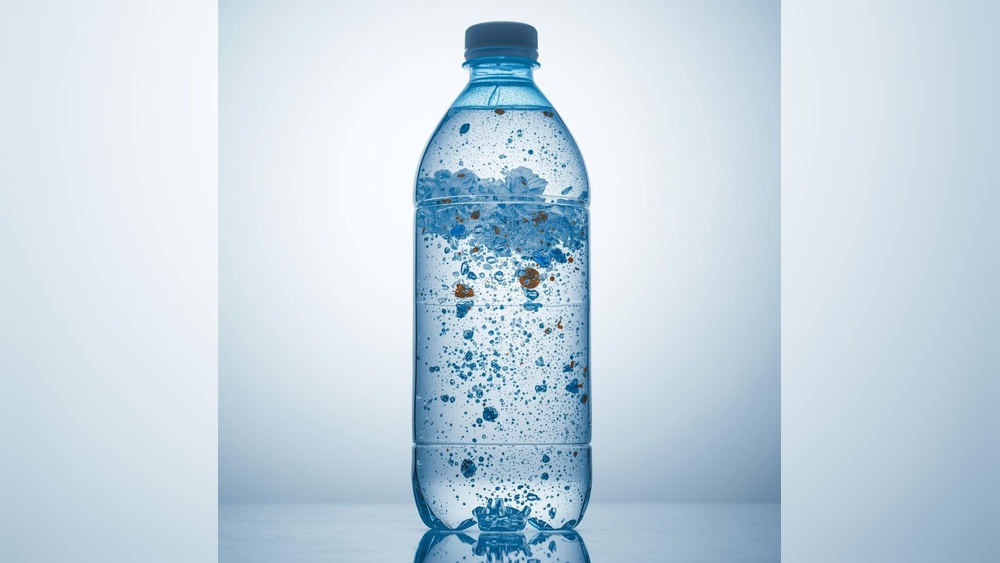
Plastic bottles are usually made from polyethylene terephthalate (PET) or high-density polyethylene (HDPE). These plastics are chosen because they are lightweight, strong, and relatively cheap to produce. However, they are not completely inert. When water sits inside these bottles, a slow exchange can occur between the plastic and the water.
The main concern is chemical leaching. Over time, small amounts of chemicals from the plastic can move into the water. These chemicals include antimony, bisphenol A (BPA), and phthalates, depending on the type of plastic. Factors like heat, sunlight, and storage time speed up this process.
How Chemical Leaching Works
Chemical leaching happens when molecules from the plastic break free and dissolve into the water. This process is slow at first but speeds up with heat and time. For example, a study found that PET bottles can release up to 0.05 mg/L of antimony after sitting for three months at room temperature. If the bottle is left in direct sunlight or high temperatures, leaching can increase up to three times faster.
Here is a summary of how different conditions affect chemical leaching:
Factor
Impact on Leaching
Measured Increase
Room Temperature (25°C)
Slow leaching
0.05 mg/L antimony after 3 months
High Temperature (50°C)
Fast leaching
0.15 mg/L antimony after 3 months
Exposure to Sunlight
Very fast leaching
Up to 3x more chemicals
Why This Matters For Your Health
Most bottled water brands claim their products are safe, but research shows that long-term exposure to chemicals like antimony and BPA could harm your health. Antimony is linked to problems with the stomach and lungs, while BPA can affect hormones. The World Health Organization (WHO) sets a guideline of 0.005 mg/L for antimony in drinking water. Some bottled water samples stored for months have come close to or even exceeded this limit.
Even if you drink bottled water only occasionally, it is important to know that these chemicals build up slowly in your body. People who reuse bottles or store them in cars during summer are at higher risk.
Practical Examples: What Really Happens
Let’s look at a few real-life scenarios to see what actually happens:
Water left in a car: If you leave a plastic water bottle in your car on a hot day (above 40°C), you can expect chemical levels to rise quickly. A study in Arizona found that antimony levels in PET bottles doubled after just one week in a parked car.
Bottled water stored at home: When bottles are kept in cool, dark places, chemical leaching is much slower. However, after six months, taste changes are often noticeable. Some people report a plastic or stale flavor.
Reusing plastic bottles: Many people refill single-use bottles. After repeated use and washing, micro-cracks form in the plastic, increasing the risk of chemical leaching and bacterial growth.
Credit: www.townandcountrytoday.com
Signs Your Bottled Water Is No Longer Safe
It is not always easy to tell when water has gone bad, but there are warning signs:
Strange taste: Water tastes bitter, plasticky, or stale.
Unusual smell: A chemical or musty odor.
Cloudiness: Water that should be clear appears cloudy or has floating particles.
Bottle deformation: The bottle feels softer, looks warped, or has changed color.
If you notice any of these signs, it is best to avoid drinking the water.
Step By Step: Keeping Bottled Water Safe
You can reduce risks and keep your water fresh by following these steps:
Check the expiration date: Most bottled water has a shelf life of 1-2 years. Always use it before this date.
Store in a cool, dark place: Heat and sunlight speed up chemical leaching. Keep bottles away from windows and cars.
Avoid reusing single-use bottles: They are not designed for repeated use. Instead, use bottles labeled BPA-free and made for reuse.
Inspect bottles before drinking: Look for cracks, soft spots, or discoloration.
Finish opened bottles quickly: Once opened, use the water within a few days.
Credit: www.vecteezy.com
Common Problems And Solutions
Problem: Bad Taste Or Smell
Solution: Discard the water. Do not try to mask the taste with flavorings, as the underlying chemical contamination can still be harmful.
Problem: Cloudy Water
Solution: This may indicate bacterial growth or plastic breakdown. Never drink cloudy water from plastic bottles.
Problem: Bottle Left In Hot Car
Solution: Even if the water looks fine, heat speeds up leaching. Replace the bottle and do not drink from it.
Problem: Reusing Bottles For Months
Solution: Switch to a reusable, BPA-free bottle. Regularly wash it with hot, soapy water and let it dry completely.
Problem: Expired Bottled Water
Solution: While water itself does not expire, the plastic can degrade. Always use water before the printed expiration date.
Maintenance Tips For Bottled Water Storage
Rotate stock: Use older bottles first and regularly check expiration dates.
Keep bottles sealed: Opened bottles allow air and bacteria inside.
Clean storage areas: Dust and dirt can contaminate bottle surfaces.
Avoid freezing: Freezing can crack plastic, allowing more chemicals to leach.
Choose safer plastics: Look for bottles marked PET or HDPE, and avoid those labeled with recycling codes 3 or 7.
Key Data At A Glance
Here is a quick comparison of how water quality changes in plastic bottles under different conditions:
Storage Condition
Expected Shelf Life
Main Risks
Cool, dark place
12-24 months
Slow chemical leaching, mild taste change
Exposed to sunlight
1-3 months
Fast chemical leaching, plastic taste
Hot car
1-2 weeks
Very fast leaching, possible bacterial growth
Reused single-use bottle
Not recommended
High risk of chemicals and bacteria
Frequently Asked Questions
How Long Can I Safely Store Water In A Plastic Bottle?
Unopened bottled water kept in a cool, dark place can last up to two years. However, for best quality, use it within 12 months and always check for signs of spoilage.
Is It Dangerous To Drink Water From A Bottle Left In A Hot Car?
Yes, heat speeds up chemical leaching from the plastic. Even if the water looks and smells normal, it may contain unsafe levels of chemicals such as antimony or BPA.
Can I Reuse Plastic Water Bottles?
Single-use bottles are not designed for reuse. They can develop cracks and release more chemicals over time. If you need to reuse, choose bottles labeled BPA-free and made for multiple uses.
Why Does My Bottled Water Taste Like Plastic After A While?
This is usually caused by chemical leaching from the plastic into the water. Heat, sunlight, and long storage times make this problem worse.
Is There A Safer Alternative To Plastic Bottles?
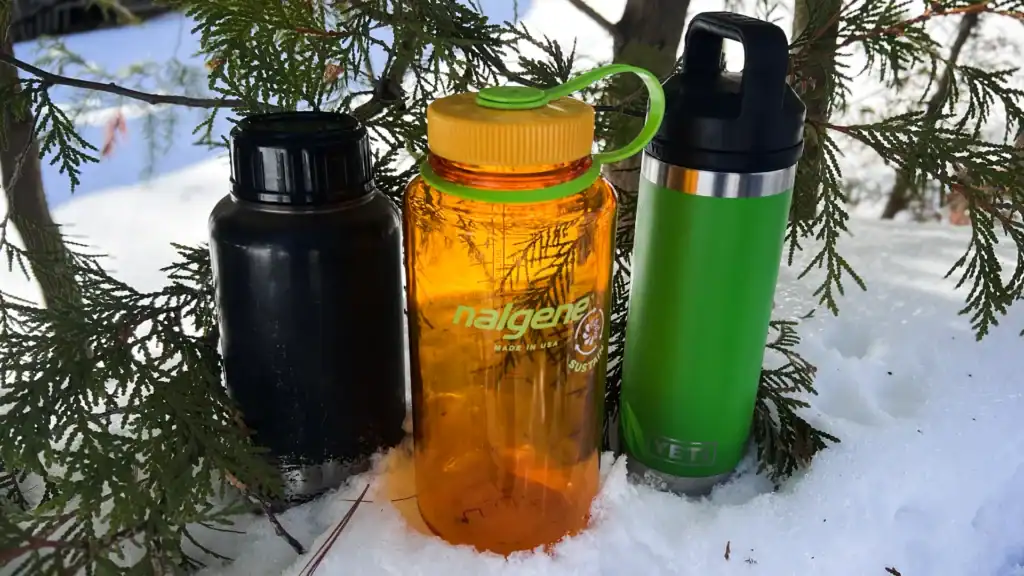
Yes, stainless steel or glass bottles do not leach chemicals and are reusable. If you must use plastic, look for PET or HDPE bottles and avoid exposing them to heat.
Credit: bushlife.ca
Key Takeaway
Water stored in plastic bottles is not as simple as it seems. Time, temperature, and bottle quality all affect water safety. For the best health, store water in cool, dark places, avoid reusing single-use bottles, and watch for signs of spoilage.
Being informed helps you protect yourself and your family from hidden risks.
For more detailed safety information, you can visit the World Health Organization and Centers for Disease Control and Prevention websites. These resources offer up-to-date research and best practices for safe water storage. Stay aware, make smart choices, and your bottled water will be both safe and refreshing.
Hasan Al Sarker is a Reverse Osmosis Specialist. He has worked for many years to ensure safe drinking water for all. His research paper has been published in several journals, including Issue, Medium, and Slideshare. He is recognized as a water doctor among specialists though he did not attend medical college.
Besides working as a researcher of reverse osmosis technology, he is also very fancy with the kitchen and cooking. His guides are reading thousands of people every day. As a head of content, he is responsible for all the published articles at RO System Reviews.