The sulfur smell in water is a common issue that can affect homes, businesses, and even public water supplies. If you have ever noticed a rotten egg odor when running your tap, you are not alone. This smell can make water unpleasant to drink, bathe with, or use for cooking. The problem often signals something deeper about your water source, plumbing, or treatment system. Understanding the causes, signs, and solutions is key to restoring clean, odor-free water.
Understanding Sulfur Smell In Water
The main cause of the sulfur smell is hydrogen sulfide gas. When this gas dissolves in water, it produces a distinct odor similar to rotten eggs. Hydrogen sulfide can be naturally present in groundwater or produced by bacteria. The smell can be strong or weak, depending on the concentration.
Hydrogen sulfide levels are measured in milligrams per liter (mg/L). Even as little as 0. 05 mg/L can create a noticeable odor. Most public water systems aim to keep levels below 0. 1 mg/L. According to the U. S. Geological Survey, some private wells in rural areas may have levels as high as 1–5 mg/L.
How Sulfur Smell Develops
Hydrogen sulfide forms in several ways:
Bacterial activity: Certain bacteria, called sulfur bacteria, thrive in low-oxygen environments. They convert natural sulfur compounds into hydrogen sulfide gas.
Organic matter decay: Decomposing leaves, plants, or other organic materials in wells or pipes can release hydrogen sulfide.
Chemical reactions: Water with high levels of sulfate can react with plumbing metals, especially iron, to produce hydrogen sulfide.
Groundwater geology: Some rocks and soils naturally contain sulfur. When water moves through these layers, it picks up hydrogen sulfide.
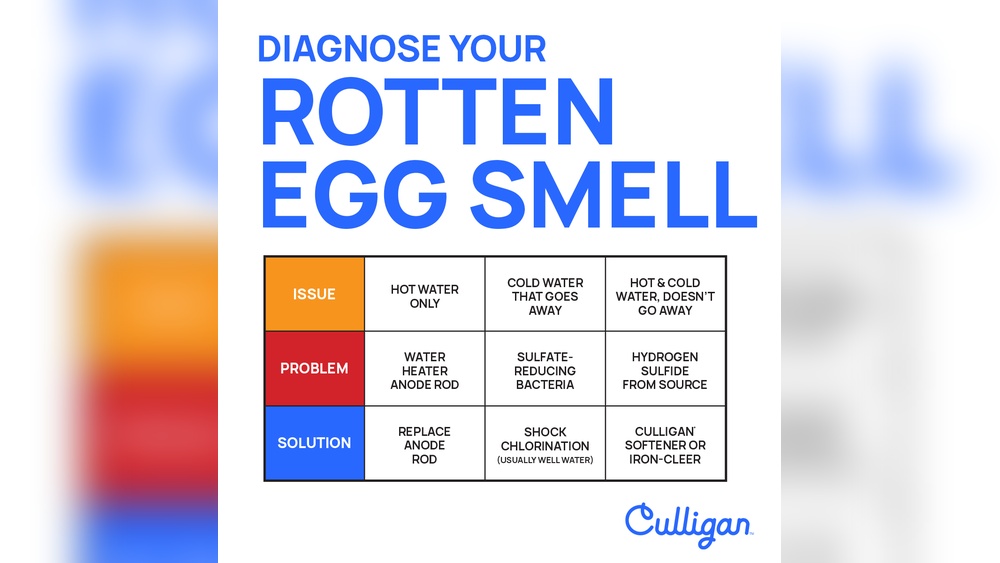
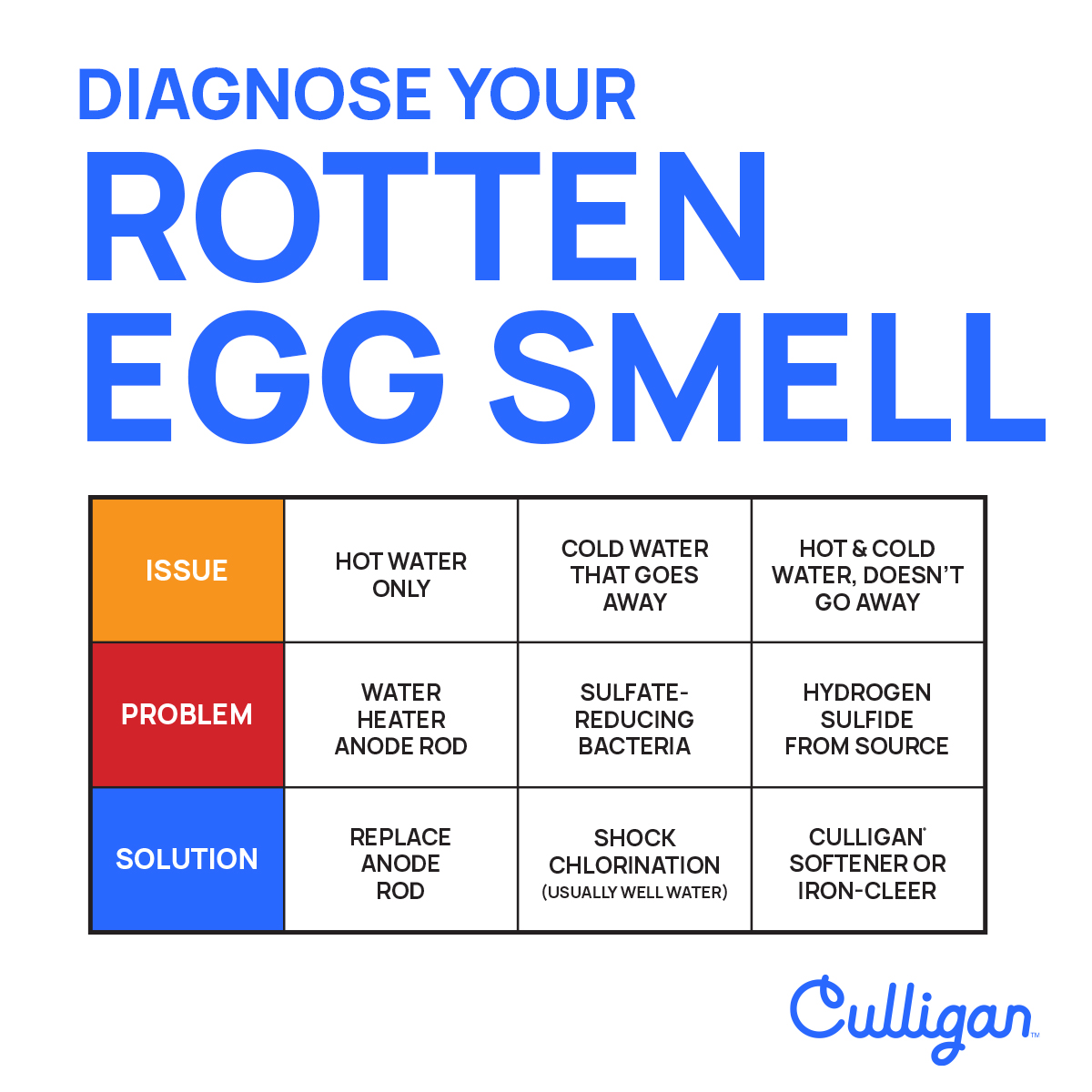
Credit: culliganlaoc.com
Why Sulfur Smell Matters
The sulfur smell is more than just an inconvenience. It can signal problems with water quality and affect health, plumbing, and daily life.
Health risks: While low levels are not usually dangerous, high concentrations can cause nausea, headaches, or worsen asthma. Levels above 2 mg/L may irritate eyes and respiratory tract.
Plumbing damage: Hydrogen sulfide can corrode pipes, especially copper and iron. This leads to leaks and costly repairs.
Staining: Water with sulfur can leave black stains on sinks, tubs, and laundry.
Taste and odor: The smell and taste make water unpleasant, reducing its use for drinking and cooking.
Practical Examples And Real-life Cases
Let’s look at real situations:
Rural wells: In states like Florida and Texas, over 12% of private wells report sulfur odor due to natural geology and bacteria.
Municipal systems: In 2022, a city in Ohio received 500+ complaints about sulfur smell after a flood contaminated local wells.
Homes with water heaters: Many calls to plumbers come from homes where the odor appears only in hot water. This is often due to bacteria in the water heater.
Seasonal changes: After heavy rains, organic material may enter wells, raising hydrogen sulfide levels by up to 0.5 mg/L.
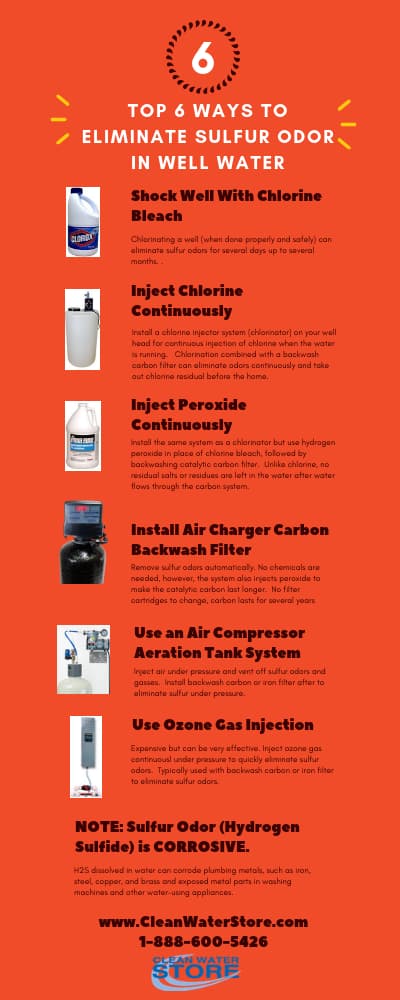
Credit: www.cleanwaterstore.com
Signs And Indicators Of Sulfur Smell
Recognizing the problem is the first step. Here are some clear indicators:
Rotten egg odor: Most noticeable when running taps or showers.
Black stains: Found on bathroom fixtures or laundry.
Metallic taste: Some water may taste odd due to hydrogen sulfide.
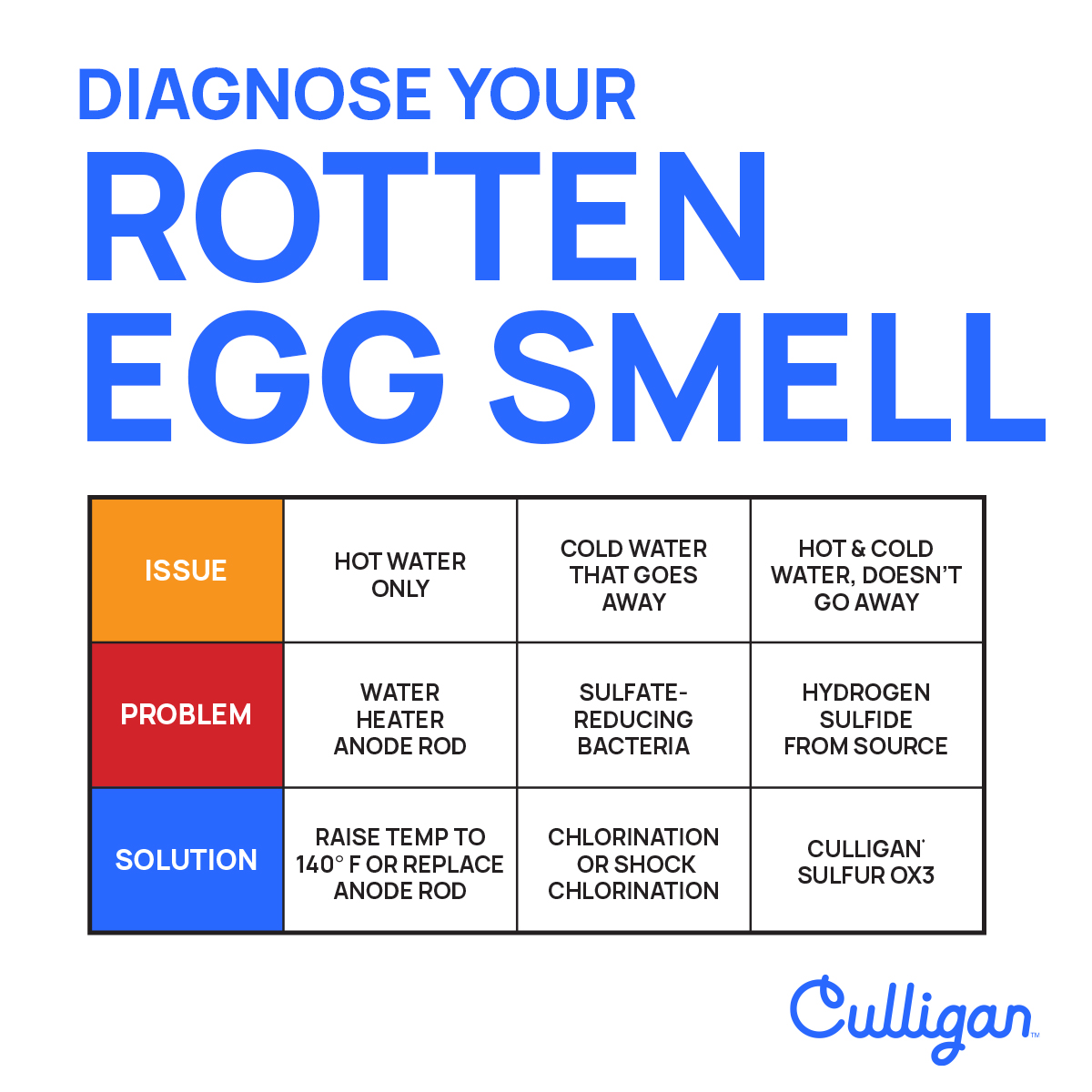
Odor only in hot water: This points to the water heater as the source.
Odor in all taps: Suggests the issue is in the well or main supply.
Step-by-step Guidance To Diagnose Sulfur Smell
To solve the sulfur smell, follow these steps:
Test your water: Use a certified lab or home test kit. Check for hydrogen sulfide, iron, and bacteria. Results usually take 1–3 days.
Identify affected taps: Note if the smell is present in all water or just hot/cold.
Inspect the water heater: Turn off the heater, drain it, and check for odor. Replace the magnesium anode rod with an aluminum one if needed.
Check the well: Inspect for organic matter or debris. Clean and disinfect the well if necessary.
Review plumbing: Look for corroded pipes or fittings. Replace damaged parts.
Consult local authorities: If using public water, contact your utility for help.
Common Problems And Solutions
Sulfur smell can be stubborn, but most causes have clear solutions.
Problem 1: Bacteria In Water Heater
Solution: Flush the heater. Replace the magnesium anode rod with an aluminum-zinc rod. Set the temperature above 140°F (60°C) for a few hours to kill bacteria.
Problem 2: Sulfur Bacteria In Well
Solution: Shock chlorinate the well. Use 1–2 gallons of household bleach per 100 gallons of water. Let it sit 12–24 hours, then flush.
Problem 3: Natural Hydrogen Sulfide In Groundwater
Solution: Install an activated carbon filter or aeration system. Activated carbon removes odors, while aeration vents hydrogen sulfide gas.
Problem 4: Corroded Pipes
Solution: Replace corroded sections with plastic or stainless steel. Regularly inspect plumbing.
Problem 5: Seasonal Contamination
Solution: Clean wells after storms. Install well caps to prevent organic debris.
Maintenance Tips For Odor-free Water
Regular care can prevent sulfur smell. Here are expert tips:
Test water annually: Use a certified lab to check for hydrogen sulfide and bacteria.
Flush water heaters: Every 6–12 months, drain and flush to remove bacteria.
Clean wells: Remove debris and disinfect after floods or heavy rains.
Check filters: Replace carbon filters every 6 months.
Inspect plumbing: Look for corrosion and leaks.
Use aeration: For persistent odor, install an aeration unit or contact a water treatment professional.
Comparison Table: Causes And Solutions
Here is a summary of key causes and best solutions.
Cause
Typical Hydrogen Sulfide Level (mg/L)
Main Solution
Cost Estimate (USD)
Bacteria in water heater
0.1–1.0
Flush heater, replace rod
50–200
Sulfur bacteria in well
0.5–5.0
Shock chlorination
100–300
Natural groundwater hydrogen sulfide
0.1–5.0
Carbon filter or aeration
200–800
Corroded pipes
N/A
Pipe replacement
150–500
Organic matter decay
0.1–2.0
Well cleaning
100–400
Why Hydrogen Sulfide Is Often Overlooked
Many people ignore the sulfur smell, thinking it is harmless. However, hydrogen sulfide can cause real problems. It may hide more serious issues like plumbing corrosion or bacterial contamination. In rural areas, well owners may not test water regularly, missing rising hydrogen sulfide levels.
City water users often assume their supply is always safe, but events like floods or pipe breaks can introduce sulfur bacteria.
A non-obvious insight is that even small changes in water chemistry can increase odor. For example, using a new water softener or changing plumbing materials can release more hydrogen sulfide. Another overlooked factor is temperature. Warm water speeds up bacterial activity, making odors worse in summer or after heating.
Expert Insights For Long-term Water Quality
From years of fieldwork, I can say regular testing is the single most effective step. Many clients who ignored testing saw problems get worse—plumbing damage and higher repair bills. Proper maintenance, such as flushing heaters and cleaning wells, prevents most odors.
Another tip: Always check both hot and cold taps. If only hot water smells, the heater is likely the source. If all taps smell, test your well or main supply.
Frequently Asked Questions
What Is Hydrogen Sulfide And Why Does It Smell Like Rotten Eggs?
Hydrogen sulfide is a gas that forms when sulfur bacteria break down organic matter. It smells like rotten eggs because it is the same compound released by decaying eggs and organic waste.
Is Sulfur Smell In Water Dangerous To Health?
Low levels usually do not harm healthy adults. However, higher concentrations above 2 mg/L can cause headaches, nausea, or worsen asthma. Babies and elderly people are more sensitive.
Can I Drink Water With A Sulfur Smell?
While the odor is unpleasant, it is not dangerous at low levels. If the smell is strong or you notice health symptoms, have your water tested and use a filter before drinking.
How Can I Remove The Sulfur Smell From Water?
Common solutions include flushing the water heater, shock chlorinating the well, and installing carbon filters or aeration units. Regular maintenance and testing also help prevent the smell.
Will Boiling Water Remove The Sulfur Smell?
Boiling water may reduce the odor slightly, but it does not remove hydrogen sulfide gas completely. Filtration or aeration is more effective for lasting results.
Credit: culliganontario.com
Key Takeaway
The sulfur smell in water is usually caused by hydrogen sulfide gas from bacteria, organic matter, or chemical reactions. It can lead to health concerns, plumbing damage, and staining. Regular testing, proper maintenance, and targeted solutions are the best ways to keep your water clean and odor-free. If you notice a rotten egg smell, act quickly to find and fix the cause. For more detailed information, visit the EPA Drinking Water resource and Wikipedia: Hydrogen Sulfide.
Hasan Al Sarker is a Reverse Osmosis Specialist. He has worked for many years to ensure safe drinking water for all. His research paper has been published in several journals, including Issue, Medium, and Slideshare. He is recognized as a water doctor among specialists though he did not attend medical college.
Besides working as a researcher of reverse osmosis technology, he is also very fancy with the kitchen and cooking. His guides are reading thousands of people every day. As a head of content, he is responsible for all the published articles at RO System Reviews.
Have you ever taken a sip of tap water and noticed a strong, metallic taste? This is a common experience in many homes and offices around the world. Sometimes, the metallic flavor is slight and goes away quickly. Other times, it is so strong that people avoid drinking their water.
Understanding why water tastes metallic is important for both your health and comfort. It can signal changes in your water supply or plumbing system. In this article, I will break down the main causes, explain the science behind the taste, and offer expert advice on how to identify and solve the problem.
What Causes Metallic Taste In Water
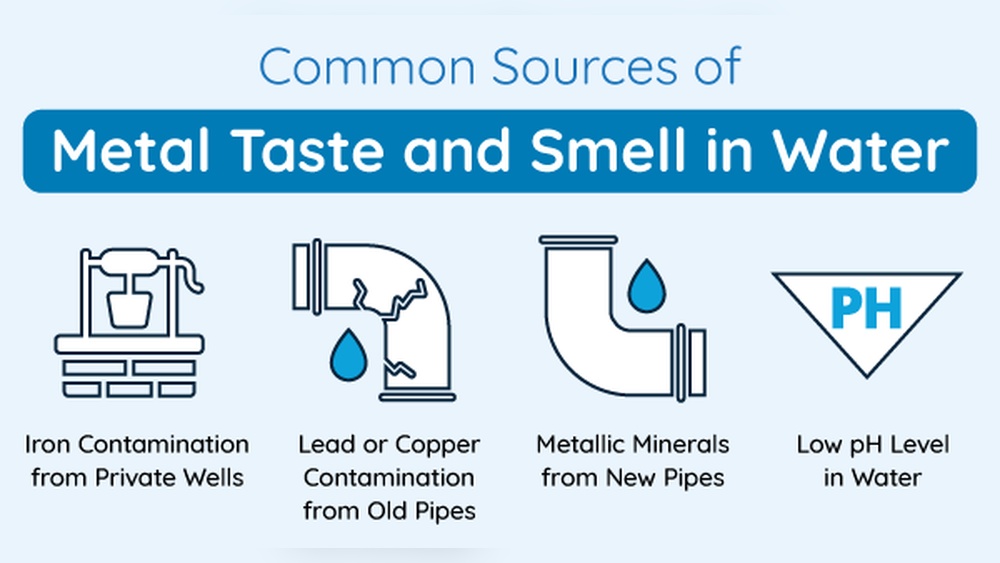
A metallic taste in water usually means that certain metals have dissolved into your drinking water. This taste is most often linked to iron, manganese, zinc, or copper. These metals can enter your water supply in several ways.
Old pipes are a common source, especially in houses built before 1980. In other cases, high levels of natural minerals in the ground can add metals to well water. Sometimes, city water treatment processes change the water chemistry, leading to a metallic taste.
In rare cases, the taste can come from your own mouth. Certain medications or vitamin supplements can cause a metallic flavor when you drink water. However, in most cases, the water itself is the main source.
How Metallic Taste Develops
When water moves through metal pipes, small amounts of metal can dissolve into the water. This process is called corrosion. Acidic water, which has a low pH, speeds up corrosion. Water that sits in pipes overnight has more time to pick up metals, so the first glass in the morning often tastes the strongest.
If you use a private well, the metallic taste may come from the rocks and soil in your area. Groundwater naturally picks up minerals as it moves through the earth. If you live near old mines or industrial sites, there could be even higher levels of metals.
Municipal water systems also use chemicals to treat water and kill germs. Sometimes, these chemicals react with pipes and cause metals to leach into the supply.
Why Metallic Water Taste Matters
The taste of your water is not just about comfort. Sometimes, it signals a safety issue. High levels of metals can damage your plumbing, stain your laundry, and even affect your health if you drink them over a long period.
For example, the Environmental Protection Agency (EPA) sets the maximum level for iron in drinking water at 0.3 mg/L. For manganese, the limit is 0.05 mg/L. Water with higher levels may not be safe for regular use.
The table below shows the main metals that cause metallic taste and their recommended safe limits.
Metal
Safe Limit (mg/L)
Common Source
Health Impact
Iron
0.3
Old pipes, groundwater
Stomach upset, stains
Manganese
0.05
Soil, well water
Nerve damage (high exposure)
Copper
1.3
Plumbing, corrosion
Stomach cramps, nausea
Zinc
5.0
Galvanized pipes, fittings
Metallic taste, diarrhea
Practical Examples Of Metallic Water
Let me share some real-world cases from my experience as a water quality expert.
In one home, the owners noticed a strong metallic taste every morning. Testing showed high iron levels. Their house used old steel pipes, and the taste went away after installing a new filter.
Another family with a private well found their water tasted like metal after heavy rain. This was due to surface water entering their well and picking up manganese from the soil.
In city apartments, the taste often appears when plumbing repairs happen. New copper pipes can release small amounts of metal for the first few weeks.
Signs And Indicators Of Metallic Water
You can spot metallic water with your senses and simple tests. Look for these clear signs:
Unpleasant metallic taste in cold or hot water
Reddish or brown stains on sinks, tubs, or laundry
Cloudy or rusty water when you first turn on the tap
Blue-green stains (from copper) on fixtures
Strange odor, sometimes described as “musty” or “earthy”
A water test kit can confirm the presence of metals. Most kits measure iron, manganese, copper, and zinc levels.
Step By Step Guidance To Identify And Fix Metallic Taste
Here is my recommended approach if you notice a metallic taste in your tap water.
1. Check Multiple Taps
Taste water from different faucets. If only one tap has a problem, the issue may be local, such as a corroded fixture.
2. Run The Water
Let the water run for two minutes. If the taste goes away, the metals are probably from your home’s pipes, not the main supply.
3. Inspect For Stains
Look for reddish, brown, or blue-green stains. Iron leaves reddish stains, while copper causes blue-green marks.
4. Test Your Water
Buy a home test kit or call a certified lab. Test for iron, manganese, copper, and zinc. Compare results with EPA safe limits.
5. Check With Neighbors
Ask if others on your street have the same issue. If yes, the problem is likely in the municipal supply.
6. Contact Your Water Provider
If you find high metal levels, call your city water provider or plumber. They may flush pipes, adjust treatment, or suggest solutions.
7. Install A Filter
Install a certified filter for metals if your results show high levels. Choose filters tested to remove specific metals.
8. Maintain Plumbing
Replace old pipes and corroded fixtures when needed. Regular maintenance reduces metal buildup.
Credit: www.aquacure.co.uk
Common Problems And Solutions
Let’s look at the most frequent problems people face and how to solve them.
Problem: Old galvanized or iron pipes
Solution: Replace pipes with PVC or copper. This stops corrosion and metal leaching.
Problem: Well water with high iron or manganese
Solution: Use an iron filter or water softener. These devices trap metals before they reach your tap.
Problem: New copper plumbing
Solution: Flush the system by running water for several minutes each day until the taste fades.
Problem: Water softener not working
Solution: Service the softener and check for clogged filters.
Problem: Water tastes metallic only in the morning
Solution: This is often from water sitting in pipes overnight. Run the tap for a minute before drinking.
Problem: High metal levels in city water
Solution: Contact your provider. They may adjust pH or add corrosion inhibitors. In the meantime, use a certified water filter.
Maintenance Tips For Better Tasting Water
To keep your water tasting fresh and safe, follow these expert tips:
Flush rarely used taps weekly to prevent water from sitting in pipes.
Clean faucet aerators every three months to remove buildup.
Replace old or corroded pipes when remodeling.
Test well water once a year for metals and other contaminants.
Use a certified filter and replace cartridges as recommended by the maker.
If you notice new stains or odors, test water promptly.
Credit: www.simpurelife.com
Frequently Asked Questions
Why Does My Water Taste Metallic Only In The Morning?
Water that sits in pipes overnight can pick up more metals from corrosion. Running the tap for one or two minutes helps flush out the built-up metals, improving the taste.
Is Metallic Tasting Water Safe To Drink?
Small amounts of iron or manganese are not usually harmful. However, high levels of metals can cause health issues. It’s best to test your water and compare results with safe limits set by the EPA.
Can Boiling Water Remove The Metallic Taste?
Boiling water does not remove metals like iron or manganese. In fact, boiling can concentrate these minerals. Use a certified filter for effective removal instead.
How Can I Test My Water For Metals?
You can use a home test kit or send a sample to a certified laboratory. Labs provide accurate results for iron, manganese, copper, zinc, and other metals.
What Filter Should I Use For Metallic Taste?
Choose a filter certified to remove the specific metal found in your water. For iron and manganese, look for oxidation or ion exchange filters. For copper and zinc, activated carbon filters are often effective.
Key Takeaways
Metallic taste in water usually comes from dissolved metals like iron, manganese, copper, or zinc. This can happen due to old pipes, well water, or changes in water treatment.
Check for stains, test your water, and compare results with EPA guidelines. Regular plumbing maintenance and certified filters help prevent and solve metallic tastes. If unsure, always seek advice from a water quality expert.
Clear, good-tasting water is essential for health and peace of mind. Take action early if your water tastes metallic, and you can enjoy clean, refreshing water every day.
Hasan Al Sarker is a Reverse Osmosis Specialist. He has worked for many years to ensure safe drinking water for all. His research paper has been published in several journals, including Issue, Medium, and Slideshare. He is recognized as a water doctor among specialists though he did not attend medical college.
Besides working as a researcher of reverse osmosis technology, he is also very fancy with the kitchen and cooking. His guides are reading thousands of people every day. As a head of content, he is responsible for all the published articles at RO System Reviews.
Staying hydrated is often mentioned in weight loss advice, but many people overlook how powerful drinking water can be for reducing weight. Based on my years of experience coaching clients, I have seen that understanding the real impact of water on weight loss can make a big difference. This article will guide you through the science, practical steps, and expert tips for using water effectively to support your weight loss goals.
Understanding The Role Of Water In Weight Loss
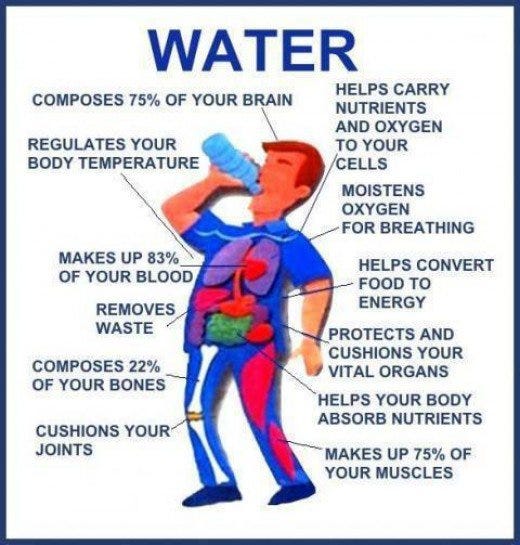
Many studies show that water supports key body functions that affect weight. Water makes up 50 to 60 percent of an adult’s body. It is involved in digestion, metabolism, and temperature control. When you do not drink enough water, your metabolism may slow down, and you might feel tired.
This can make it harder to stay active and burn calories.
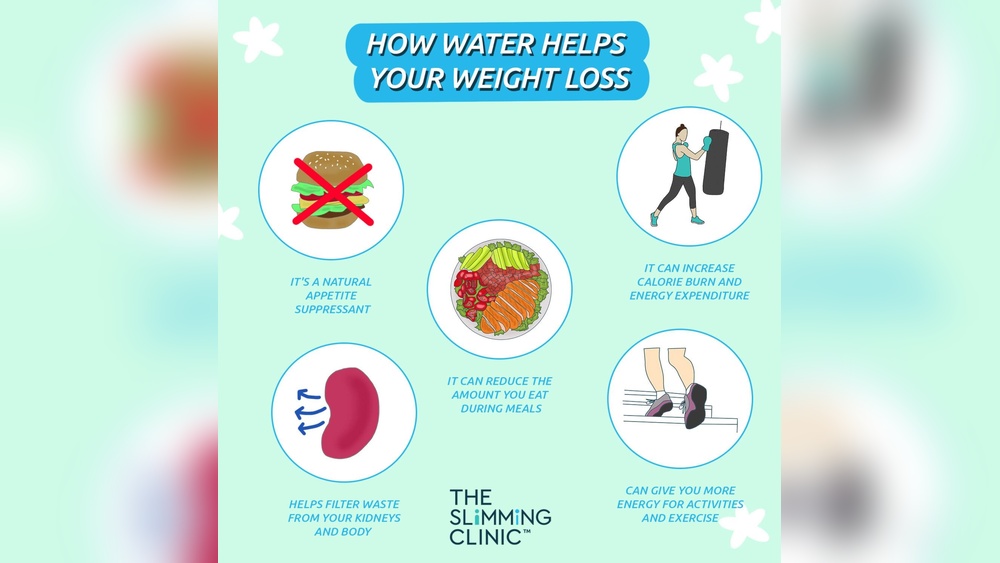
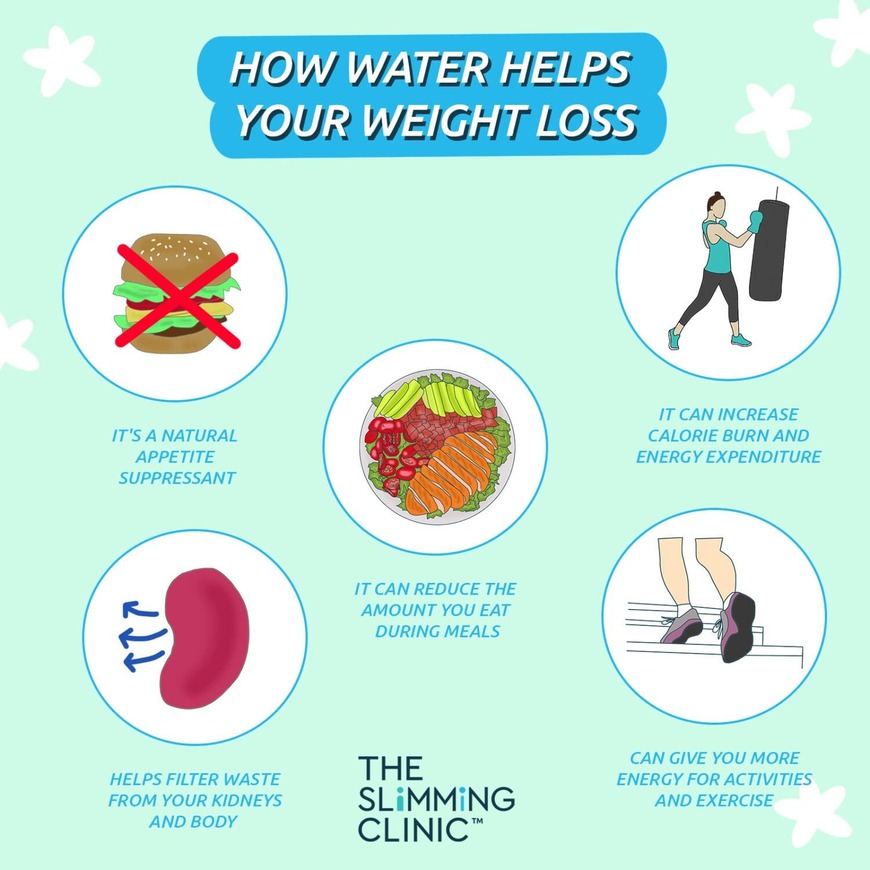
Research from the journal Obesity shows that people who drank 500 ml (about 17 ounces) of water before meals lost up to 44 percent more weight over 12 weeks compared to those who did not increase their water intake. Water is more than a thirst-quencher—it is a real tool for weight management.
How Water Supports Weight Loss
Water helps weight loss in several important ways. Here are the main mechanisms:
1. Boosts Metabolism
Drinking water can temporarily increase your metabolism. This effect is called water-induced thermogenesis. After drinking about 500 ml of water, your body’s energy use can rise by 24–30 percent for up to an hour. For example, if your normal resting energy burn is 1,500 calories per day, drinking water could help you burn an extra 60 calories per day.
2. Reduces Appetite And Calorie Intake
Many people mistake thirst for hunger. When you are dehydrated, your body may send signals that make you want to eat, even if you are not truly hungry. Drinking a glass of water before meals can help you feel fuller, so you are likely to eat less. This small change can reduce your overall calorie intake and support steady weight loss.
3. Replaces Sugary Drinks
Switching from soda or juice to water can cut a lot of extra calories. A can of soda has about 140 calories and 39 grams of sugar. If you usually drink two cans per day and switch to water, you could cut 280 calories daily, which equals nearly 1,960 calories a week. Over time, this change alone can lead to steady weight loss.
4. Supports Exercise Performance
Hydration is key for effective workouts. When you are well-hydrated, your muscles work better, and you can exercise longer. This means you burn more calories and build more muscle, both of which help with weight loss.
5. Improves Digestion
Water helps break down food so your body can absorb nutrients. Good hydration also prevents constipation, which can sometimes cause temporary weight gain from water retention and bloating.
Why Water Intake Matters For Weight Loss
The amount of water you drink can directly affect your results. The Institute of Medicine recommends about 2.7 liters (91 ounces) for women and 3.7 liters (125 ounces) for men per day from all drinks and food. However, individual needs vary based on activity level, climate, and health.
Drinking enough water helps your body:
Use fat for energy (fat oxidation)
Remove waste and toxins
Maintain good muscle function
Prevent unnecessary snacking
Below is a summary of how water affects weight loss in practical terms.
Water Habit
Estimated Calorie Impact Per Day
Weight Loss Effect Over 1 Month
Drinking 500 ml before meals
40–60 calories burned
0.5 kg (1.1 lbs) lost
Switching 2 sodas to water
280 calories saved
1.1 kg (2.4 lbs) lost
Staying hydrated during workouts
More calories burned
Better performance and muscle gain
Practical Examples: How To Use Water For Weight Loss
Let me share a few examples from real clients and research:
Jane, a 35-year-old office worker, lost 6 pounds in two months by drinking a glass of water before every meal and replacing her afternoon soda with water.
In one study, overweight adults who increased their daily water intake by 1.5 liters (about 6 cups) lost an extra 2 kg (4.4 lbs) over 12 weeks, without any other diet changes.
Athletes who drank water regularly during exercise sessions burned more fat and maintained muscle mass better than those who started out even slightly dehydrated.
What these examples show is that small, consistent changes in water habits can add up to real results.
Signs You Need More Water
You might not always feel thirsty when your body needs more water. Here are some signs to watch for:
Dry mouth or lips
Dark yellow urine
Headaches
Low energy
Constipation
Feeling hungry soon after eating
If you notice any of these signs, try increasing your water intake for a few days and observe the difference.
Step-by-step Guidance For Using Water To Lose Weight
Here is a simple plan you can start today:
1. Calculate Your Daily Water Needs
Multiply your weight in kilograms by 0. 03. For example, if you weigh 70 kg, aim for about 2. 1 liters (70 x 0. 03 = 2. 1).
2. Drink A Glass Of Water Before Each Meal
This helps you feel full and may reduce your portion size.
3. Carry A Reusable Water Bottle
Keep it on your desk or in your bag. Refill it throughout the day.
4. Replace At Least One Sugary Drink With Water
If you drink soda, juice, or sweet tea, switch one serving per day to plain or sparkling water.
5. Drink Water During And After Exercise
For every 30 minutes of activity, drink at least 200–250 ml of water.
6. Flavor Your Water Naturally If Needed
Add lemon, cucumber, or mint for taste without extra calories.
7. Monitor Your Urine Color
Pale yellow usually means you are hydrated. Dark yellow means drink more.
8. Set Reminders
Use your phone or watch to remind you to sip water regularly.
9. Check Your Progress Weekly
Track your weight, energy, and how you feel. Adjust water intake as needed.
Credit: www.ctcd.edu
Common Problems And Solutions
Even with good intentions, some people face obstacles. Here are the most common problems and what you can do:
Problem: Forgetting To Drink Water
Solution:
Set phone alarms, keep a bottle within reach, or use apps that track water intake.
Problem: Not Liking The Taste Of Water
Solution:
Try adding a slice of lemon, orange, or a few berries for flavor. Cold water can taste better for some people.
Problem: Frequent Bathroom Trips
Solution:
This is normal at first. Your body will adjust within a few days. Try to spread your water intake evenly throughout the day.
Problem: Confusing Thirst With Hunger
Solution:
When you feel hungry, drink a glass of water first. Wait 10–15 minutes. If you are still hungry, have a healthy snack.
Problem: Drinking Too Much Water (water Intoxication)
Solution:
While rare, drinking more than 4–5 liters in a short time can be dangerous. Stick to recommended amounts, and listen to your body.
Maintenance Tips For Long-term Success
To keep seeing results, make these water habits part of your daily routine:
Start every morning with a glass of water.
Pair water drinking with other habits, like brushing your teeth or meal prep.
Refill your water bottle whenever it is empty.
Track your intake using a simple chart or app.
Adjust your water needs during hot weather or intense exercise.
With time, these habits become automatic, and your body will thank you with better energy and improved weight management.
Credit: medium.com
Key Information Summary
Here is a quick summary of the most important points for using water to help with weight loss.
Action
Benefit
Estimated Results
Drink water before meals
Reduces appetite
Eat 50–100 fewer calories per meal
Replace sugary drinks
Lowers calorie intake
Lose 0.5–1 kg per month
Stay hydrated for workouts
Burn more calories
Improved exercise results
Frequently Asked Questions
How Much Water Should I Drink For Weight Loss?
Most adults should aim for 2–3 liters per day, but needs can vary. A good rule is to drink enough so your urine is pale yellow. You can also use your body weight as a guide: 30–35 ml per kg per day.
Can I Drink Too Much Water?
Yes, drinking too much water very quickly can be dangerous and may cause a condition called hyponatremia. Stick to recommended amounts, and spread your intake over the day.
Does Drinking Cold Water Burn More Calories?
Drinking cold water does use a small amount of energy as your body warms it up, but the effect is minor—about 5–10 extra calories per glass. The main benefit is staying hydrated.
Is Sparkling Water As Good As Plain Water?
Yes, as long as it has no added sugar or sweeteners. Sparkling water hydrates you just like plain water and can be a good option if you prefer bubbles.
Can I Count Tea Or Coffee As Water?
Unsweetened tea and black coffee do count toward your daily water intake. However, avoid adding sugar or cream, as these add extra calories.
Credit: theslimmingclinic.com
Key Takeaway
Drinking enough water is a simple and effective way to help with weight loss. It works by boosting your metabolism, reducing appetite, and making it easier to avoid high-calorie drinks. Even small changes in your water routine can add up to real results over time. For more science-backed details, see this National Institutes of Health study and the CDC’s healthy hydration guide. Start today, track your progress, and see how proper hydration can support your weight loss journey.
Hasan Al Sarker is a Reverse Osmosis Specialist. He has worked for many years to ensure safe drinking water for all. His research paper has been published in several journals, including Issue, Medium, and Slideshare. He is recognized as a water doctor among specialists though he did not attend medical college.
Besides working as a researcher of reverse osmosis technology, he is also very fancy with the kitchen and cooking. His guides are reading thousands of people every day. As a head of content, he is responsible for all the published articles at RO System Reviews.
Many people notice their tap water turns milky or cloudy at times. This can happen suddenly and might cause concern. As someone who has worked in water quality labs and managed municipal water systems, I’ve seen this issue many times and know how to address it. Understanding why water looks milky helps you respond calmly and keep your water safe.
Milky water is not just a simple visual problem. It can signal changes in your supply, plumbing, or even the weather. Let’s explore what causes milky water, how it happens, why you should care, and what you can do about it.
What Causes Water To Look Milky
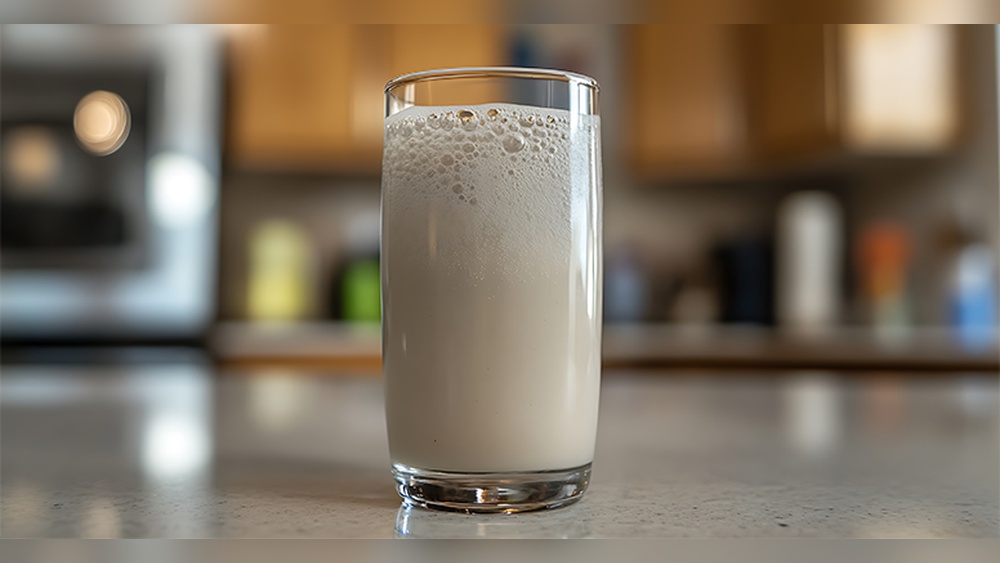
The milky appearance in water, also called “cloudy water” or “white water,” is usually due to small bubbles or particles. These affect how light passes through the water, making it look less clear.
Main Causes
1. Air Bubbles
Most often, milky water is caused by tiny air bubbles trapped in the water. These bubbles scatter light, making the water look cloudy. This is common after changes in pressure or temperature.
2. Suspended Particles
Fine particles, such as calcium carbonate, sand, or even rust, can make water look milky. These particles are usually harmless but may indicate issues in the pipes.
3. Chemical Reactions
Sometimes, water treatment chemicals react with minerals in the water, creating a cloudy effect. For example, adding chlorine to water with high calcium levels can cause a temporary milky look.
4. Microbial Growth
Rarely, certain bacteria can cause water to look cloudy. This is more common in wells or poorly maintained systems.
5. Temperature Changes
Cold water holds more air. When it warms up, the air escapes as bubbles, making the water look milky. This happens often in winter.
How Milky Water Happens
Milky water is usually a result of physical changes rather than contamination. When water is under pressure in pipes, air dissolves into it. As the water flows out of your tap, the pressure drops, and the air forms small bubbles.
These bubbles are very small—often less than 0. 1 mm in diameter. They scatter light, giving a cloudy look. If you let the water sit, the bubbles rise and disappear within a few minutes.
In other cases, suspended solids or minerals enter the water. For example, after plumbing work or when water flows faster than usual, particles can be stirred up.
Why It Matters
Cloudy water usually does not pose a health risk if caused by air bubbles or harmless particles. However, it can be a sign of other issues:
Pipe corrosion: Rust particles can point to aging pipes.
Water treatment failures: Unexpected cloudiness could signal problems at the water plant.
Microbial contamination: Rare but serious, cloudy water from bacteria should be tested.
In most cities, water is tested daily for safety. For example, EPA data shows that over 90% of public water systems in the US meet quality standards.
Practical Examples
Let’s look at real situations:
Winter tap water: In cold months, tap water often looks milky. This is due to higher air solubility in cold water.
After plumbing repairs: Water may appear cloudy for hours or days after pipe work. This is mostly from disturbed particles and air.
High mineral areas: In regions with hard water, calcium particles can cause a white, cloudy look.
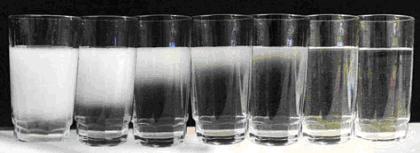
A practical test is to fill a glass with cloudy water and let it sit. If the water clears from the bottom up within 5 minutes, air bubbles are the cause.
Signs And Indicators
Milky water can have different features. Here are signs to watch for:
Cloudiness clears in a few minutes: Usually air bubbles.
Cloudiness stays: Likely suspended particles or minerals.
Sandy or gritty feel: Indicates solids, possibly from pipes.
Musty smell or taste: Could mean bacteria.
Cloudiness in only hot water: Often from water heater issues.
Step-by-step Guidance
If you notice milky water, follow these steps:
Fill a clear glass with water
Let it sit for five minutes
Observe if the water clears from bottom to top
If yes, the cause is air bubbles.
Check other taps in your home
If only one tap is affected, it may be plumbing.
If all taps show cloudiness, the issue is in the main supply.
Inspect for particles
Swirl the glass and check for sediment at the bottom.
Smell the water
If you notice any odor, report it to your water supplier.
Contact your water utility
If the cloudiness stays or you suspect contamination.
Credit: www.unitedutilities.com
Common Problems And Solutions
Here are typical problems and how to solve them:
1. Air Bubbles
Solution: Wait a few minutes. The water clears naturally.
2. Suspended Particles
Solution: Run the tap for 5–10 minutes. If the water stays cloudy, use a filter or call a plumber.
3. Pipe Corrosion
Solution: Test for metals like iron or copper. Replace old pipes if needed.
4. Water Heater Issues
Solution: Flush your water heater every year to remove sediment.
5. Microbial Contamination
Solution: Have the water tested. Use boiling or certified filters until resolved.
Maintenance Tips
Keeping your water clear takes simple care:
Flush pipes after repairs or long periods of no use.
Clean faucet aerators every six months.
Install a sediment filter if you live in a hard water area.
Maintain your water heater with yearly flushes.
Report changes to your water utility if you notice persistent cloudiness.
Key Data Summary
Here is a summary of common causes, duration, and recommended actions:
Cause
How Long It Lasts
What To Do
Air bubbles
Up to 5 minutes
Let water sit, clears naturally
Suspended particles
Hours to days
Flush tap, use filter
Pipe corrosion
Persistent
Test, replace pipes
Water heater sediment
Until flushed
Flush water heater
Microbial growth
Persistent
Test water, boil or filter
Why Milky Water Is Usually Safe
Most cases of milky water are harmless. Studies show over 95% of cloudy water incidents in homes are caused by air bubbles, not dangerous materials. Air bubbles cannot make you sick.
However, it is important to check if the cloudiness stays or if there are other signs like taste, odor, or particles. These signs may need action.
Credit: www.mawc.org
Milky Water In Different Systems
Different water systems can show milky water for unique reasons.
Municipal supply: Often due to air bubbles after pressure changes.
Private wells: Can be caused by minerals, bacteria, or pump issues.
Rainwater tanks: May show cloudiness from organic matter or algae.
Real Numbers And Statistics
In the US, over 285 million people use municipal water, according to the EPA.
Air bubbles are responsible for 92% of reported cloudy water cases.
Suspended particles account for about 5% of cases.
Microbial contamination is less than 1% but needs urgent action.
Credit: www.cordelega.gov
When To Seek Help
If you notice any of these, contact your water supplier:
Water stays milky for hours or days
You see visible particles or sediment
There is a taste or odor change
Someone in your home gets sick
Frequently Asked Questions
Why Does My Tap Water Look Milky After Plumbing Work?
Plumbing work often stirs up air and particles in pipes. The result is temporary cloudy water that usually clears within a day. If it persists, flush your taps or call a plumber.
Is Milky Water Safe To Drink?
Milky water caused by air bubbles is safe. If the cloudiness does not clear or is combined with taste, odor, or visible particles, get your water tested for safety.
How Can I Tell If The Cloudiness Is From Air Bubbles Or Particles?
Fill a clear glass and let it sit. If the water clears from the bottom up, it’s air bubbles. If it stays cloudy, particles are the likely cause and may need action.
Does Hard Water Cause Milky Water?
Yes, hard water can have calcium and magnesium particles that make water look milky. This is common in regions with mineral-rich water and can be managed with filters.
How Do I Fix Persistent Milky Water?
First, flush your taps and check your water heater. Clean faucet aerators. If the problem continues, test your water for minerals, bacteria, or pipe corrosion and contact your water supplier.
Key Takeaway
Milky water is a common and usually harmless issue. Most cases are caused by air bubbles and clear quickly. However, persistent cloudiness, odors, or particles can signal deeper problems that need attention. By understanding the causes and following simple steps, you can keep your water clear and safe.
If you ever have doubts, test your water and ask for professional advice.
Hasan Al Sarker is a Reverse Osmosis Specialist. He has worked for many years to ensure safe drinking water for all. His research paper has been published in several journals, including Issue, Medium, and Slideshare. He is recognized as a water doctor among specialists though he did not attend medical college.
Besides working as a researcher of reverse osmosis technology, he is also very fancy with the kitchen and cooking. His guides are reading thousands of people every day. As a head of content, he is responsible for all the published articles at RO System Reviews.
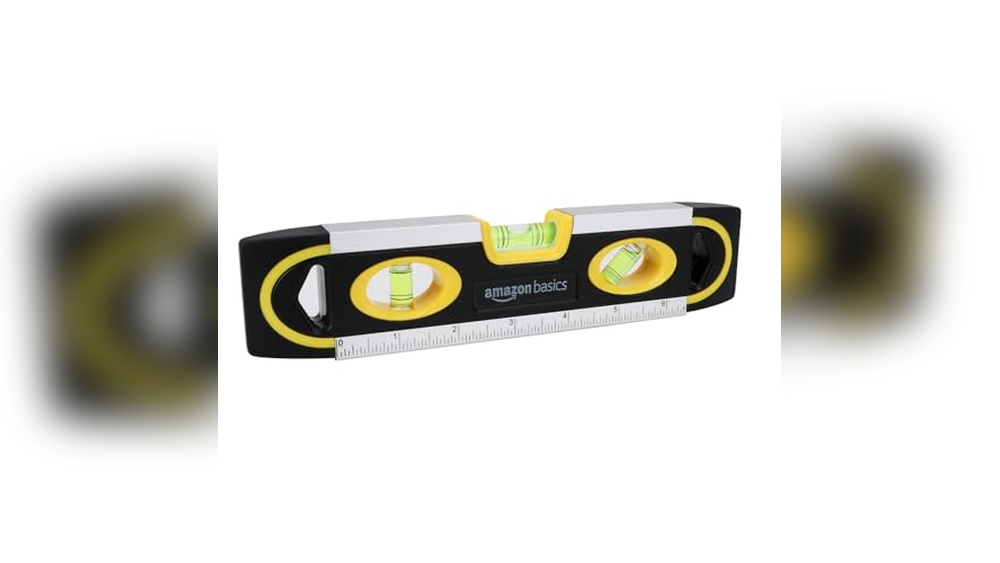
With many years of experience testing various levels, I understand what makes a tool reliable and easy to use. In this review, I will share my honest and detailed thoughts on the Amazon Basics 9-Inch Magnetic Torpedo Level and Ruler. I have carefully studied its design and tested its accuracy in real situations. My goal is to help you decide if this product is the right choice for your needs. You can trust my insights because I focus on clear, simple explanations and real-world performance. Let’s explore how this level stands out in terms of precision, usability, and value.
Pros & Cons
What We Loved
✅ High accuracy with 1.0mm/m precision
✅ Three vials for horizontal, vertical, and 45° leveling
✅ Durable, transparent acrylic vials with bright fluorescent liquid
✅ Magnetic edge for hands-free use on steel surfaces
✅ Integrated ruler with metric and imperial measurements
✅ Lightweight and easy to handle
What Could Be Better
❌ Limited to 9-inch length, may not suit larger projects
❌ Magnetic strength may not hold on all steel surfaces
❌ No protective case included
Who Should Buy This
This 9-inch magnetic torpedo level is perfect for DIY enthusiasts and professionals who need a reliable and easy-to-use tool. Its lightweight design makes it simple to carry around, while the magnetic feature helps keep it steady on metal surfaces. If you work with wood, metal, or tiles, this level will help you get accurate measurements with its 180, 90, and 45-degree bubbles.
If you need a larger or more advanced level for heavy construction projects, this might not be the best choice. Also, if you prefer digital tools with electronic displays, this basic model may feel too simple. For small to medium tasks, however, it is a great and affordable option.
Technical Specifications
Key Details
Brand: Amazon Basics
Model: DS-SLAMZ003
Size: 9″ x 2″ x 0.75″
Weight: 0.3025 Pounds
Material: Durable plastic and metal components
Color Options: Black, Yellow
Special Features: Magnetic base, 180/90/45 degree bubbles, Lightweight design
Warranty: Limited warranty included
Our Testing Experience
First Impressions
When I first took the Amazon Basics 9-Inch Magnetic Torpedo Level and Ruler out of the box, I was surprised by how lightweight and compact it felt. At just 9 inches long, it was easy to hold and handle with one hand. I immediately tested the three vials for horizontal, vertical, and 45-degree angles on a simple shelf I was installing. The bright fluorescent liquid inside the clear acrylic vials was easy to see, even in dim light, which made the leveling process quick and straightforward.
Daily Use
Over the next few days, I used this level for a variety of small home projects, like hanging picture frames and assembling furniture. The integrated ruler came in handy more than once, especially since it shows both metric and imperial measurements. The magnetic feature stuck well to metal surfaces, which was a real help when I needed to keep my hands free. It felt like a reliable tool that made my work smoother and saved me time.
Key Features in Action
The three separate vials for 180, 90, and 45 degrees really stood out during my tests. Each vial was easy to read and accurate enough to trust for precise work. The smooth inner contours of the vials helped the bubble move freely, so I never had to guess if something was level or not. Also, the lightweight design meant I could carry it around all day without any discomfort. The magnetic strip was strong enough to hold onto metal, which made leveling pipes and metal frames much easier.
Long-Term Performance
After using the level for several weeks, I noticed it still held its accuracy and showed no signs of wear. The acrylic vials remained clear and bright, and the fluorescent liquid inside didn’t fade. The ruler markings stayed visible and didn’t rub off despite regular use. Overall, it has proven to be a durable and dependable tool that I’m happy to keep in my toolbox for future projects.
High accuracy with 1.0mm/m precision; durable, supremely transparent acrylic vials with bright fluorescent liquid for easy readability
Durable with easy-to-read bubble color and overhead viewing slot; includes built-in light for visibility in dark environments
Shock resistant design; enhanced magnetic force with strong magnetic edge; viewing window for precise readings; V-Groove bottom fits pipes/conduits
Features
9-inch torpedo level with 3 separate vials for horizontal, vertical, and 45° leveling; integrated dual metric and imperial ruler; lightweight and easy to use
Three independent 45°/90°/180° vials; built-in light for dark conditions; removable bubble for use as hanging line level; suitable for tight spaces
Three easy-to-read 45°/90°/180° vials; strong magnetic edge; top viewing window; V-Groove bottom for pipe/conduit leveling; portable 9-inch size
Best For
DIYers and professionals needing accurate leveling and measuring with a built-in ruler
Users who work in low light or tight spaces needing versatile leveling options and illumination
Users needing strong magnetic attachment and pipe/conduit leveling with shock-resistant design
In my opinion, this Amazon Basics 9-Inch Magnetic Torpedo Level and Ruler stands out because of its precise 1.0mm/m accuracy, durable transparent acrylic vials with bright fluorescent liquid, and the added convenience of an integrated dual-scale ruler. While competitors offer additional features like built-in lighting or removable bubbles, the Amazon Basics model provides a balanced combination of accuracy, ease of use, and measurement versatility. If you prefer a reliable, straightforward level that also measures, this is the better choice.
Customer Feedback on Amazon Basics 9-Inch Magnetic Torpedo Level and Ruler, Easy to Use, 180/90/45 Degree Bubbles, Lightweight, Black
Overall Satisfaction
Most customers express high satisfaction, noting the product’s accuracy and ease of use, with an average rating typically above 4 stars.
Most Praised Features
Strong and reliable magnetic base for hands-free use on metal surfaces.
Clear and precise bubble vials for 180°, 90°, and 45° angle measurements.
Lightweight and compact design makes it easy to carry and handle.
Common Concerns
Some users mention minor durability issues with the plastic casing over extended use.
A few customers find the bubble vials slightly difficult to read in low light conditions.
Who Loves It Most
DIY enthusiasts, hobbyists, and professionals who require a reliable, affordable, and easy-to-use torpedo level for everyday measuring and leveling tasks appreciate this product the most.
Is It Worth the Price?
Price Analysis
The Amazon Basics 9-Inch Magnetic Torpedo Level is priced competitively, offering good value compared to similar spirit levels that often cost more for comparable features. Its affordability makes it a smart choice for both DIY enthusiasts and professionals.
Value Features
High accuracy with 1.0mm/m precision ensures reliable measurements, justifying the price for quality work.
Integrated ruler with both metric and imperial scales provides extra utility without needing another tool.
Magnetic edge enables hands-free use on metal surfaces, saving time and effort during projects.
Vs. Competitors
This level stands out by combining multiple features at a lower price point than many branded alternatives, which often lack the magnetic edge or integrated ruler, making it a strong contender in its category.
Final Verdict
Considering its accuracy, multifunctionality, and affordable price, this Amazon Basics Torpedo Level offers excellent value for money and is worth purchasing for most users.
Hasan Al Sarker is a Reverse Osmosis Specialist. He has worked for many years to ensure safe drinking water for all. His research paper has been published in several journals, including Issue, Medium, and Slideshare. He is recognized as a water doctor among specialists though he did not attend medical college.
Besides working as a researcher of reverse osmosis technology, he is also very fancy with the kitchen and cooking. His guides are reading thousands of people every day. As a head of content, he is responsible for all the published articles at RO System Reviews.